



Black cannabis business challenges: Real Owner Stories
The conversation around cannabis equity is heating up, and for good reason. With the market booming and new opportunities sprouting everywhere, Black cannabis business challenges are finally in the spotlight—at the intersection of law, economics, and real lives. As more states legalize cannabis, Black entrepreneurs still face major hurdles. This matters not just for the industry, but for everyone invested in building a fair marketplace. Let’s explore what these challenges look like, why they matter, and what real shop owners are saying in 1779639950 about their daily grind.
Breaking Down the Roots: Regulatory, Social, and Economic Context
The cannabis industry’s rapid expansion hasn’t erased deep-rooted inequities. Black cannabis business challenges trace back to generations of over-policing and criminalization of Black communities, as confirmed by the ACLU’s comprehensive reporting. Even with legalization, burdensome regulations disproportionately impact Black entrepreneurs. Many states require years of expensive compliance and hefty licensing fees, on top of complex zoning restrictions. Social factors, such as less access to banking and startup capital, are well-documented by industry publications like Marijuana Moment. For some entrepreneurs, the intersection of community image, weather influences on outdoor lifestyle, and business viability reflects changes in culture as highlighted in how cannabis culture is shaping outdoor vibes. Add in stigma and persistent stereotypes, and it’s clear why Black cannabis business challenges persist, even as the overall industry enjoys record profits.
The Latest Struggles: Real Owner Experiences in 1779639950
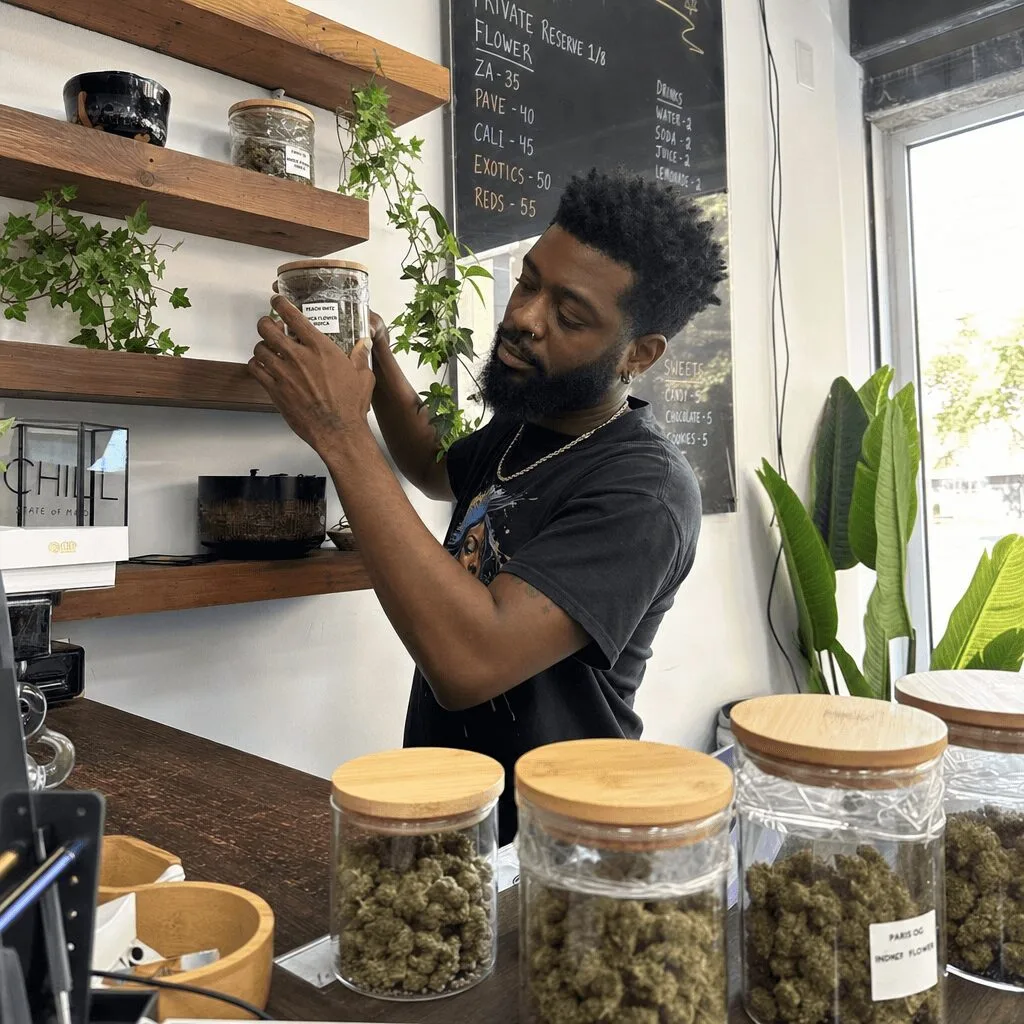
A recent exclusive report by The Root gives us a candid look into day-to-day hurdles. Shop owner Anthony Jenkins, founder of Next Level Edibles, describes a landscape full of obstacles in 1779639950. Jenkins faced difficulties accessing fair leasing opportunities, often being denied by landlords after they discovered his race. These stories echo similar challenges experienced by business owners nationwide, such as those reported in recent cannabis reform cases impacting Kentucky communities. Difficulties didn’t stop at the door, as banks, wary of federal illegality, routinely reject loan applications from Black business owners, according to Gallup’s industry polling on cannabis business access to capital. Jenkins details jumping through regulatory hoops, with city officials scrutinizing his operations differently than white-owned competitors. He also cites regulatory delays, like several-month waits for simple permit renewals, as outlined in local cannabis policy reports. In 1779639950, these daily roadblocks add up—not just to stress, but to lost business and stunted growth. Through it all, Jenkins notes the constant need to prove legitimacy: “It feels like I’m having to constantly defend my right to exist in a space we helped create,” he explains.
Expert Analysis, Broader Impact & Resilient Voices: Black Cannabis Business Challenges
The story of Black cannabis business challenges is about more than tough luck, it’s systemic. Experts like Dr. Rachel Knox, a board-certified cannabis physician, say, “Equity in cannabis is not just a buzzword, it’s a necessity if we want a sustainable industry” (Forbes). Regulatory bottlenecks and funding disparities continue to sideline aspiring minority entrepreneurs, even as some states introduce equity measures. Industry analysis from MJBizDaily confirms: only a tiny fraction of cannabis businesses are Black-owned, even as the market balloons. These challenges mirror efforts seen in places like Mt. Pleasant, where community buzz grows near local dispensaries, highlighting the importance of equitable access and representation. The effects ripple out—without targeted reform, we’re not just losing potential entrepreneurs, we’re missing out on healthier, more innovative markets. Still, Black cannabis business challenges have sparked new advocacy networks, funding collectives, and mentorship programs to push back. The movement continues to blaze forward.
Looking Forward: Growth, Advocacy, and the Changing Landscape
Black cannabis business challenges are real, but so is progress. Legalization continues to gain steam, and states are being pressured—by voters, advocates, and industry insiders—to flatten the barriers. The rise of social equity mentorships and state-level reforms suggests that change, while slow, is in motion. As one Cannabis Business Times report notes, “Today’s hurdles can be tomorrow’s launch pads if we get the policies right.” Those fighting Black cannabis business challenges now are paving the way for a more just, thriving industry in the decades to come. Stay tuned, and stay inspired.
Originally reported by: theroot.com
2 Comments
Pingback: Springfield firearm marijuana arrest: shocking details emerge
Pingback: Illinois cannabis regulation reform: How will new changes impact you?