

Batangas marijuana seizure: Authorities Find Floating Drugs
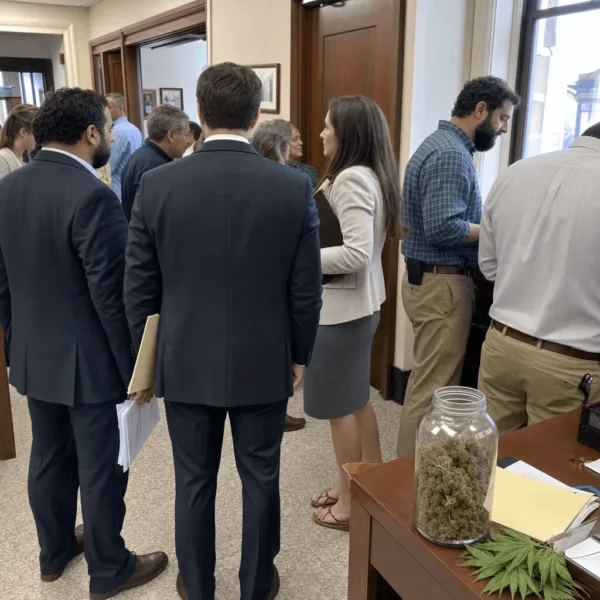
Talk about a plot twist for the Philippine cannabis scene—just when you thought it was all low-key advocacy and talk shows, the Batangas marijuana seizure headlines erupted. Authorities intercepting drifting weed bundles is not just a news flash—it’s a snapshot of how cannabis, policy, and public opinion can all collide. This event puts a spotlight on regulatory loopholes, local attitudes, and the serious global debate on drug policy reform. Grab a coffee; this isn’t just about a police bust—it’s about the bigger picture for cannabis in Southeast Asia.
Background: The Philippine Cannabis Climate and Regulatory Shadows
Let’s get real about where the Philippines stands. Despite changing cannabis laws worldwide, local regulations remain extremely rigid. The Philippines follows a zero-tolerance policy under the Comprehensive Dangerous Drugs Act of 2002 (RA 9165), which classifies marijuana as a dangerous drug, so possession, use, or trafficking can lead to steep penalties. Public sentiment is shifting, though, with recent surveys from CNN Philippines suggesting nuanced attitudes: while use remains controversial, support for medical marijuana is on the rise. International influences, like regional moves in Thailand and conversations sparked by U.N. votes to reconsider cannabis scheduling (as reported by Reuters), make these local stories more than isolated incidents, so they’re part of a bigger wave that’s sweeping Asia. The recent plateau of growth in the global cannabis marketplace invites a closer look at why regulated industries abroad, such as in Canada, are facing new challenges and shifting trends, as seen in this insight on the Canadian cannabis industry GDP.
Key Developments: Batangas Marijuana Seizure Makes Waves
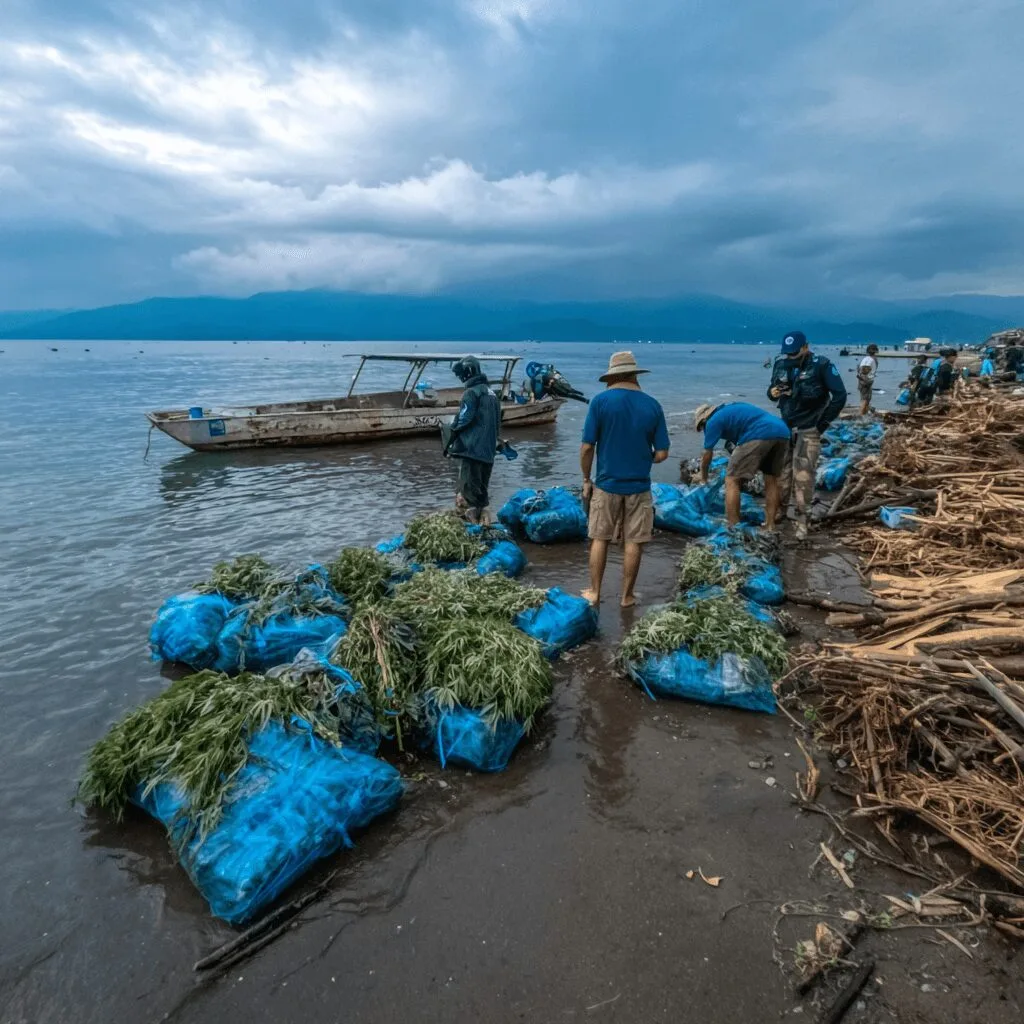
Let’s break down the event: on November 3, 2025, law enforcement and coast guard teams in Batangas stumbled upon a crop of suspicious green, plastic-wrapped bundles bobbing along the shoreline. Authorities, tipped by community reports, recovered an estimated ₱16 million worth of marijuana, yes, you read that right, floating just off the Batangas coast as detailed by The Manila Times. Investigators wasted no time opening packages, quickly confirming the contents as cannabis leaves and buds. This Batangas marijuana seizure draws attention because it’s not every day you see bulk contraband literally washed ashore, complete with curious onlookers and a flurry of police activity. Details remain scarce on the logistics, for instance, was this a botched smuggling run, or an intentional drop-off? The event underscores the creative and desperate ways illicit operators try to navigate tough anti-cannabis laws in the Philippines. Such dramatic law enforcement stories, whether on the shores of Batangas or in small towns abroad, remind us that the ongoing fight against drug trafficking and marijuana reform is playing out on various fronts, similarly to the impactful Kansas drug arrest highlighting the local tension between enforcement and reform.
Expert Analysis & Insights: Reading Between the (Seawater-Soaked) Lines on Batangas Marijuana Seizure
This Batangas marijuana seizure isn’t just headline fodder, it raises big industry and social questions. As legal expert Dr. Rommel Navares put it in a BusinessMirror interview: “When high-profile busts like this occur, it exposes both the strength and the limits of supply-focused enforcement. History shows us, locally and abroad, that crackdowns alone rarely end demand.” That statement echoes global cannabis trends. Even as the Philippines quadruples down on prohibition, neighboring countries are exploring new approaches, like regulated medical use (see policies in Thailand and broader Asian discussions in the Marijuana Moment). This case highlights why supply-side strategies, such as seizures, raids, and coastline patrols, often push traffickers into riskier moves rather than eradicating illicit trade. At the same time, as consumer behavior shifts worldwide and technology influences access, conversations around cannabis increasingly reflect modern shopping and usage patterns—see this analysis of digital convenience and modern consumption trends for parallel global perspectives. Cannabis advocates argue that, instead of chasing floating packets, policymakers should focus on science, harm reduction, and opening space for regulated, safe markets like those emerging in parts of Europe or North America.
Outlook: Lessons From Batangas and the Road Ahead
So, what’s next? The Batangas marijuana seizure is a wake-up call to rethink policy, not just ramp up patrols. If there’s one positive here, it’s that these headline-grabbing busts are fueling new, honest conversations about what works—and what doesn’t. Momentum is growing worldwide for more pragmatic, health-oriented cannabis policies, and the National Institutes of Health underscores the benefits where regulation replaces prohibition. As the dust settles in Batangas, expect even more debate, shifting attitudes, and—hopefully—smarter, safer cannabis laws that respect both local culture and global trends.
Originally reported by: manilatimes.net