





Anti-Marijuana Ballot Petition Shocks: What Did Voters Really Sign?
Suddenly, the buzz around the anti-marijuana ballot petition has everyone talking. Whether you’re in the thick of Massachusetts’ cannabis economy, an everyday consumer, or just a curious voter, these efforts strike right at the heart of regulatory and social progress. With claims bubbling up about voters unwittingly supporting an anti-marijuana ballot petition, it’s clear this isn’t just business as usual. Let’s break down why this matters, what’s at stake, and what the real facts reveal—so you don’t get left high and dry on election day.
Understanding the Anti-Marijuana Ballot Petition: Background & Context
Massachusetts’ journey from prohibition to legal cannabis has been anything but mellow. Since Massachusetts voters approved legalization in 2016, the state has built a robust regulated market. The system focuses on tax revenue, public safety, and social justice. Legalization brought economic growth, reduced non-violent arrests, and created thousands of jobs, according to MJBizDaily. However, not everyone shares this enthusiasm. Grassroots organizations and well-financed groups have continued to push for restrictions through the anti-marijuana ballot petition tactic. In fact, debates over regulating cannabis access, such as those surrounding expanded patient access in Georgia’s low-THC medical cannabis program, echo similar themes of balancing safety and opportunity. These petitions bypass legislative debate and put measures straight to voters, often relying on loaded language or confusion at signing tables. With Massachusetts’ thriving adult-use sales and robust medical programs, the anti-marijuana ballot petition resurfaces old debates under a modern lens. Current efforts seek to claw back progress, revive prohibition policies, and dramatically reshape the regulatory landscape if successful. That’s why the details, process transparency, and public awareness matter more than ever.
Key Developments & Issues: What Really Happened?
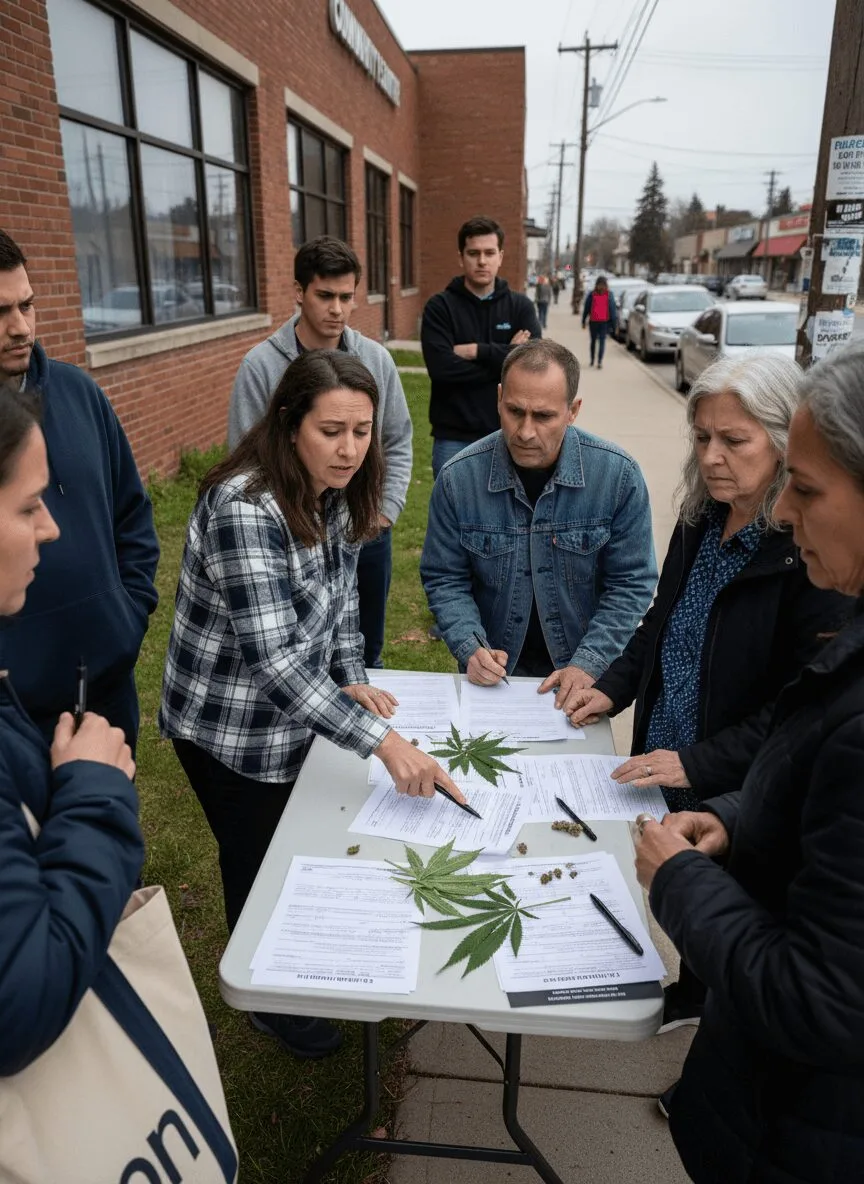
According to The Boston Globe, early 2026 saw a new anti-marijuana ballot petition effort hit local communities. Multiple voters reported confusion about what they were actually signing. Outside community centers and town events, paid signature gatherers approached individuals, presenting forms that, upon close inspection, would forward restrictions on cannabis businesses or even push toward repealing parts of the legalization framework. Some organizers, linked to long-standing anti-cannabis advocates, used ambiguous language and stressed non-cannabis issues to secure signatures. Reports suggest that up to 30% of signers thought they were supporting increased regulation or youth safety initiatives, rather than rolling back legalization. One of the main groups behind this, Massachusetts Repeal Cannabis Act Committee, reportedly collected more than 50,000 signatures over two months. Legal experts quickly questioned the clarity and intent of the petition language, which could mislead well-meaning voters. Both state authorities and local advocacy groups have launched investigations. As of January 2026, the Secretary of State’s office confirmed the need for a formal review. Issues like these are not unique to Massachusetts, as confusion and legal implementation challenges also affect local cannabis businesses, for example, addressing permit oversight and community impact in processes like the recent Bourne Select Board cannabis permit review.
Expert Analysis & Insights: Unpacking the Ripple Effects
So, what does all this mean for Massachusetts, and the broader cannabis industry? These anti-marijuana ballot petition efforts are more than a local drama, they’re a warning shot for any state with legal cannabis. In the words of Shaleen Title, a former Massachusetts Cannabis Control Commissioner, “Transparency is non-negotiable. The public deserves to know what they’re supporting, especially when it comes to ballot initiatives that could reshape policy overnight” (Cannabis Regulator). National cannabis advocates see this as a potential tactic for prohibitionists elsewhere. Misleading ballot drives can bypass hard-won regulatory reforms, destabilize tax revenues, and risk consumer safety through policy whiplash. Industry experts from Marijuana Moment highlight that Massachusetts’ $7 billion in cannabis sales didn’t just materialize overnight, as it took years of community engagement and responsible regulation. The importance of transparency and credible information is echoed by cities like Harrisburg, where community cannabis events spark civic conversation and foster public awareness. If anti-marijuana ballot petition activities aren’t managed with transparency, public trust in both the cannabis industry and direct democracy could erode quickly.
Where Do We Go Next? Future Outlook & Conclusion
The anti-marijuana ballot petition drama might feel like déjà vu, but there’s good reason for optimism. Massachusetts’ cannabis community, regulators, and educators are quick on the draw with information campaigns and legal reviews. As social acceptance climbs and new research supports responsible use, knee-jerk restrictions feel increasingly out of tune with reality. According to NORML, national trends show rising support and declining stigma around regulated cannabis. While vigilance is necessary—especially when it comes to how ballot measures are presented—most experts agree the genie is out of the bottle for legal cannabis. By staying informed, involved, and persistent, Massachusetts can serve as a model for resilience in the face of prohibitionist tactics. For everyone fighting the good fight, the future of cannabis in the Commonwealth—and beyond—remains bright, green, and growing.
Originally reported by: bostonglobe.com



1 Comment
Pingback: New York Marijuana Rollout: What You Need to Know Now