



Alabama prison contraband smuggling: Shocking new charges revealed
Right now, the conversation about Alabama prison contraband smuggling is lighting up not just news cycles, but also regulatory and public debates. Recent revelations are drawing unprecedented attention to ongoing systemic challenges within Alabama’s correctional system. With major incidents and arrests making headlines, there’s renewed scrutiny of how contraband—from cannabis to cell phones—finds its way past prison gates, impacting inmates and broader policy discussions. Let’s break down what’s happening, why it matters, and where we go from here.
Behind the Gates: Background & Context of Alabama Prison Contraband Smuggling
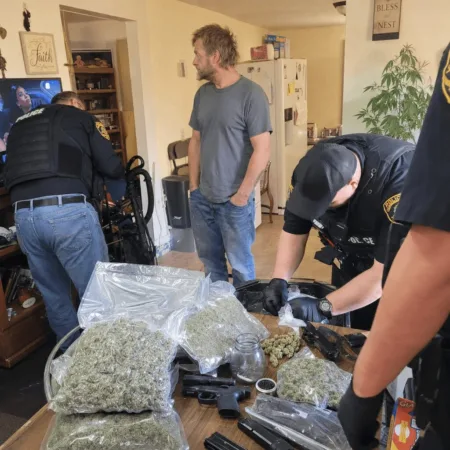
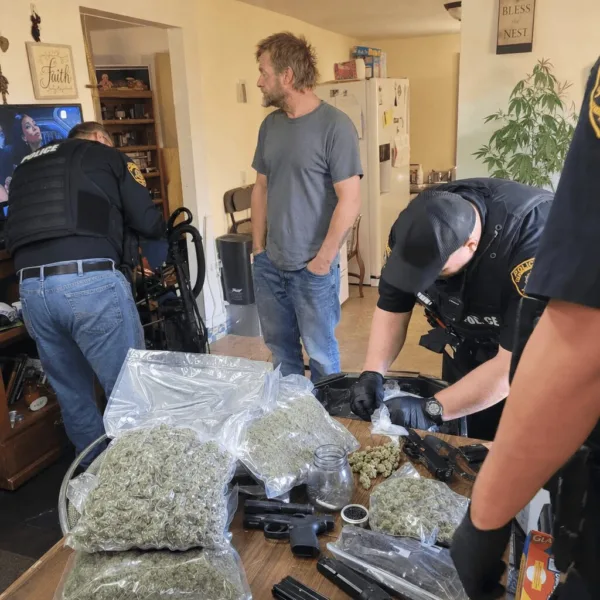
The issue of Alabama prison contraband smuggling didn’t appear out of thin air. Alabama’s correctional system, as reported by the Southern Poverty Law Center, faces chronic staffing shortages, overcrowding, and outdated security. These vulnerabilities create openings for illicit markets, especially around products like cannabis, which inmates still seek despite ongoing prohibition within state facilities. In other regions, recent large-scale busts and public debates—such as local cannabis seizures that reveal systemic issues—highlight just how widespread the problem of contraband smuggling has become. National shifts in marijuana policy, highlighted by NORML, contrast sharply with Alabama’s restrictive laws, fueling demand for cannabis inside prisons. Not surprisingly, this legal gray zone, coupled with social stigma, helps drive the ongoing contraband crisis into the spotlight.
Spotlight on Recent Key Developments & Issues in Alabama
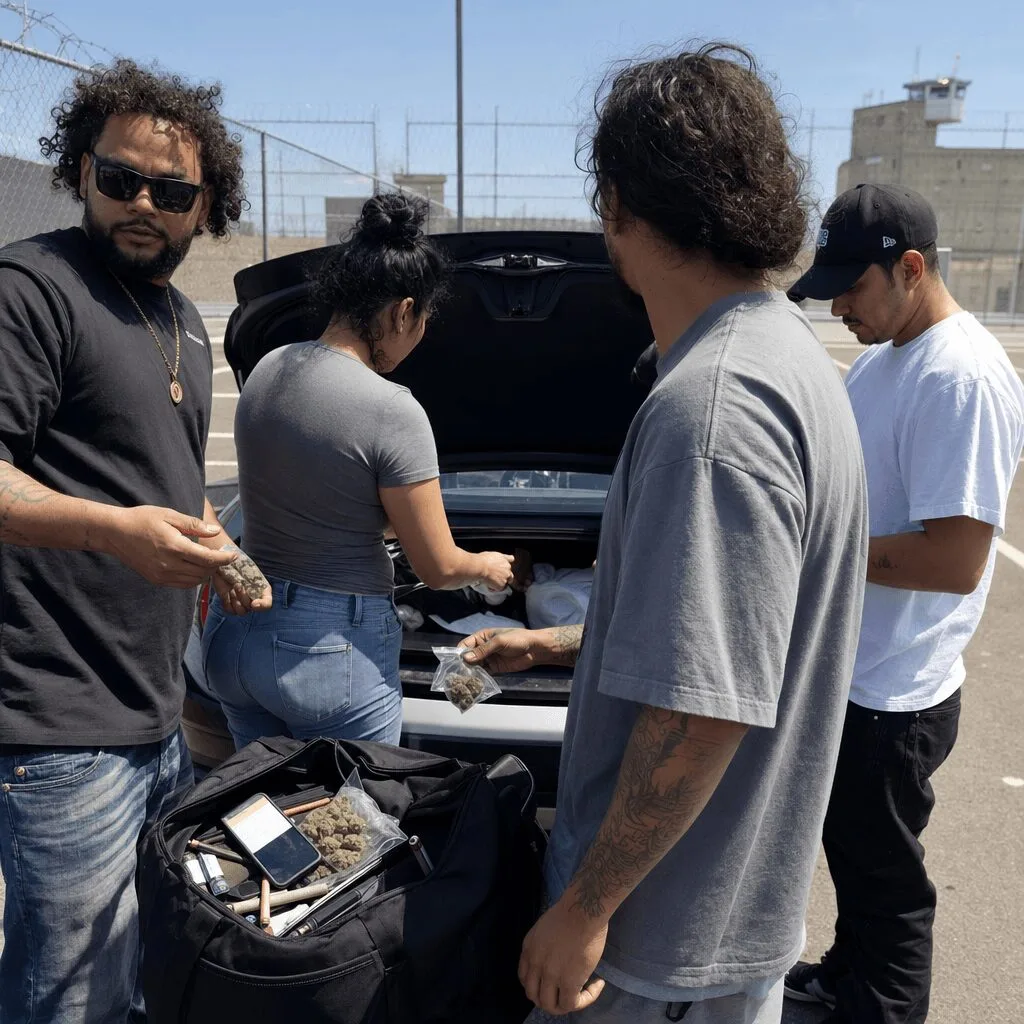
The most recent incident to jolt Alabama’s prison system happened at the Bibb Correctional Facility. According to AL.com legal coverage, four adults were charged with attempting to smuggle cannabis, knives, and cell phones into the prison. Authorities reportedly caught the group in May 1780157845 during an alleged hand-off operation in a parking lot near the facility fence. Law enforcement discovered a duffel bag loaded with cannabis buds, rolling papers, pocketknives, and several smartphones. Similar incidents have sparked citywide debate and called attention to gaps in the law, just as recent tense store raids elsewhere exposed persistent enforcement problems. Investigators said the operation appeared well-coordinated, involving both outside accomplices and inmates. These arrests underscore lingering questions about security policies, corruption, and how federal and state law enforcement coordinate on prison crime prevention. This latest case is fueling calls for upgraded security protocols and technology to deter Alabama prison contraband smuggling at the source.
Expert Analysis: Cannabis Policy, Contraband, and Human Impact
Let’s cut through the smoke: Alabama prison contraband smuggling is as much about policy gaps as it is about people. Cannabis prohibition within prisons often drives up demand and pricing on the inside, making it a prime commodity for smuggling. According to investigative reports from Marijuana Moment, this dynamic creates complex ethical and security issues. Industry analyst and author Ethan Nadelmann notes, “The ongoing black market for cannabis in restrictive states like Alabama reveals more about societal resistance to sensible reform than about criminal intent.” On top of this, a study cited in NORML’s recent updates found that harsh anti-cannabis policies in prisons often escalate rather than reduce illicit activity. Honest conversations about treatment, harm reduction, and responsible legalization could actually provide practical solutions. This is especially important to consider as other states and communities confront similar workplace and institutional scandals, as seen in workplace cannabis sales incidents that shock local institutions. The issue runs deeper than a few newsworthy busts, there’s a systemic story waiting for real reform.
Outlook: Reform, Progress, and a Path Forward
Despite the negative headlines surrounding Alabama prison contraband smuggling, the cannabis industry is trending toward greater social acceptance and regulatory modernization. Red states like Alabama are at a crossroads, with public sentiment and legislative pressure quietly building behind the scenes. According to Pew Research, national support for cannabis reform has hit record highs, fueling ongoing discussions even in prohibition states. The drive to resolve Alabama’s contraband crisis may, ironically, become a catalyst for broader change—opening doors to compassionate policy, smarter reform, and safer correctional environments for all. As our understanding of cannabis evolves, so does the promise of a more equitable system—on both sides of the prison fence.
Originally reported by: al.com