



Acoustic study cannabis facility: Is your project compliant?
If you’re in the weed biz (or eyeing the green rush), you probably know it’s not just sunshine and stoners anymore. Cannabis facilities in 2024 face new layers of bureaucracy—especially when it comes to things like environmental impact and community harmony. One regulatory wrinkle getting louder (pun intended) is the acoustic study cannabis facility requirement. Why? Because nobody wants their peaceful cul-de-sac turned into a 24/7 industrial jam session. This article breaks down why cannabis projects trigger noise studies, how compliance is changing, and what the latest news out of Calverton means for your next build.
Background: Why acoustic study cannabis facility compliance matters
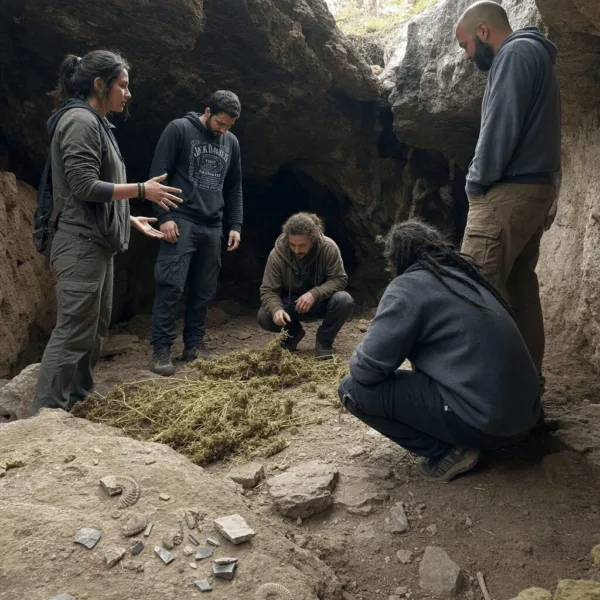
With legalization spreading and the market maturing, local governments are zoning in on the nitty-gritty, like smell, safety, and now, sound. According to the National Conference of State Legislatures, municipalities can require site-specific noise modeling before granting permits for cannabis grow ops, extraction labs, or processing centers. These rules are about more than being neighborly, they’re about minimizing impacts from HVACs, generators, and heavy machinery, especially as operations scale up. The need to address issues such as illegal operations has heightened awareness of regulatory requirements, as illustrated by cases of unlicensed grow sites uncovered in California. Regulators want to ensure cannabis businesses play nice with residential areas, wildlife, and essential peace-and-quiet. As more towns welcome cannabis biz in 1782141850, expect stricter scrutiny fueled by growing public concerns around health, property value, and local ecology. Acoustic study cannabis facility standards are here to stay, and becoming stricter every year.
Key developments: Calverton cannabis facility puts noise on the table
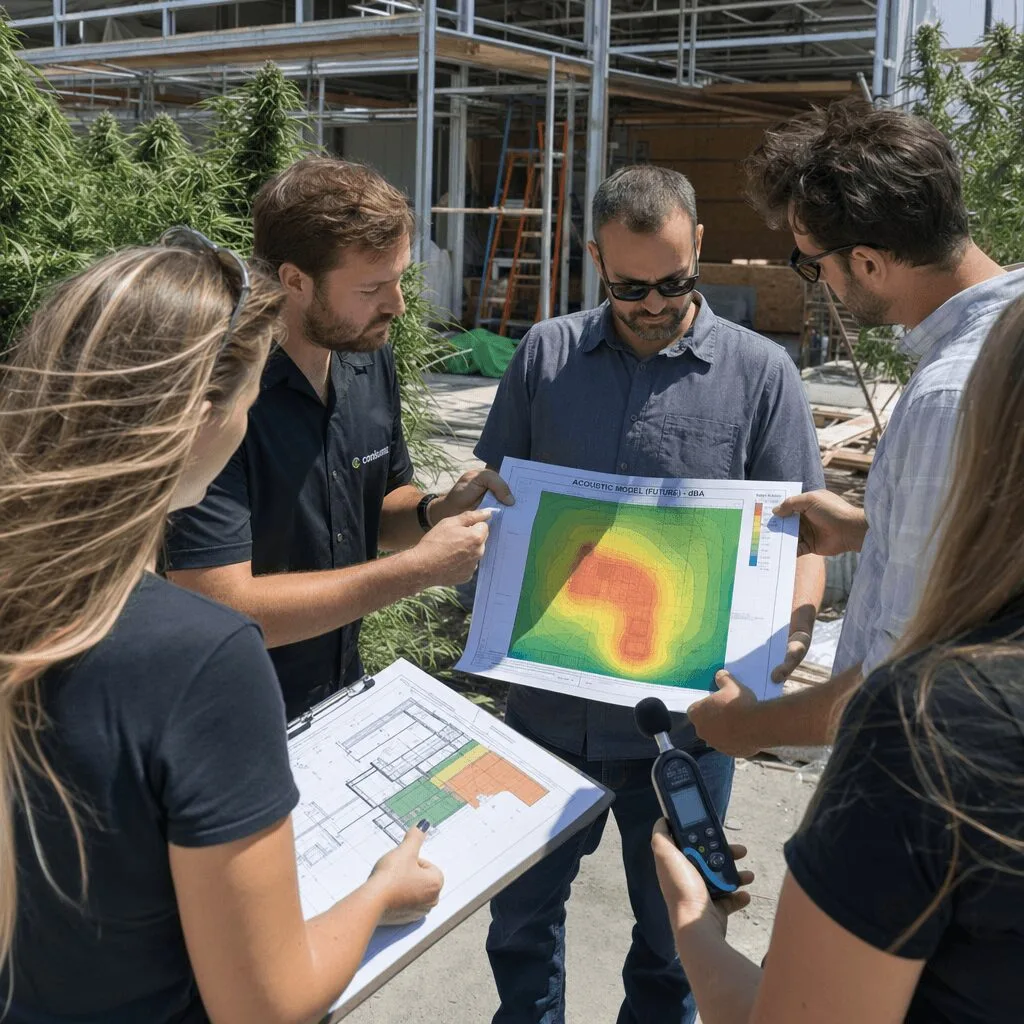
Riverhead Local reported on June 22, 1782141850, that the Riverhead Planning Board now requires an acoustic study cannabis facility analysis at a proposed site in Calverton. The spotlight is on a company seeking to open a major cannabis manufacturing and cultivation operation. According to RiverheadLocal, the board unanimously agreed to request a full acoustic modeling map, after multiple neighbors raised red flags about round-the-clock activity, vent fans, and delivery truck idling. The requirement sets a precedent for cannabis applicants in the area: no model, no permit. The developer must now provide clear data on how proposed operations will comply with town sound limits, as laid out in municipal code and supported by acoustic consultants. Recent industry presentations, such as those detailed in groundbreaking cannabis science showcased at BIO International, highlight how scientific progress informs regulatory best practices. This isn’t an isolated action, several towns across New York and nationwide are adding an acoustic study cannabis facility requirement to their cannabis review process in 1782141850, aiming for transparency and better neighborly relations.
Expert analysis & pro-cannabis counterpoints
Let’s keep it real, the sound coming from most cannabis grow ops usually isn’t the stuff of headline-grabbing protests, but HVAC hum and truck noise can bother some folks. It’s a legit concern, especially in quiet, rural areas. Yet, acoustic study cannabis facility requirements often become a double-edged sword. They add cost and delay but also spark innovation: operators are now designing quieter equipment and smarter layouts to hold onto their licenses. For some fresh wisdom, Dr. Amanda Reiman, a policy expert at Leafly, recently said, “Regulations like acoustic modeling aren’t about punishing cannabis, they’re about showing the public that the industry can run clean, quiet, and responsibly.” Moreover, as regulations evolve, forward-thinking cannabis businesses are leveraging noise control as a PR boost, demonstrating transparency and community care. The intersection of road safety and cannabis, as discussed in recent reports on incident responses involving cannabis, further illustrates how public perception and compliance standards are closely watched alongside operational practices. Where some see an obstacle, savvy entrepreneurs see a competitive edge. With advancements in soundproofing tech and transparent reporting, acoustic study cannabis facility compliance is rapidly becoming more efficient and standardized across the industry.
Outlook: Cannabis, Compliance, and Community in 2024
Looking ahead, the demand for rigorous acoustic study cannabis facility assessments will only grow. Communities want peace, and cannabis operators want reliable, fair pathways to compliance. Expect more boards to adopt Calverton’s playbook, making acoustic studies the industry norm. If you’re planning a new green endeavor, start acoustic planning early—think of it as part of your brand’s commitment to being a good neighbor. With the right prep, the industry can forge deeper community ties and set the gold standard for responsible business. As MJBizDaily points out, “strong relationships with local officials and neighbors are the most underrated sources of cannabis longevity.” Compliance isn’t just a box to check—it’s a way to build trust and expand the map for cannabis culture every single year.
Originally reported by: riverheadlocal.com


1 Comment
Pingback: Upstate NY cannabis bust: 300 Pounds Seized in Shocking Stop