

Drug task force narcotic seizure shocks community: see details
Lately, the drug task force narcotic seizure has been making headlines and sparking big conversations. As cannabis culture evolves and the market keeps growing, stories like this keep the debate on safe access, enforcement, and regulation at the forefront. Today, we’ll dive into what really happened, why it matters now in 2024, and what it might mean for the future of both enforcement and responsible cannabis businesses.
Understanding the Landscape: Legal, Regulatory, and Social Context
If you’ve been keeping an eye on U.S. cannabis policy, you know federal-state tension is real. While states like Arkansas have medical marijuana programs, any unregistered narcotics, including diverted prescription pills and illicit cannabis, still pull serious legal heat, especially from multi-agency task forces. According to NORML, most states keep tight reins on dispensaries and personal use. At the same time, enforcement priorities have shifted: smaller cannabis offenses face less attention, but pill diversion and large-scale distribution can trigger hard, coordinated responses. Social attitudes have mellowed toward cannabis, but law enforcement stays sharp on anything outside the legal system. For those who want to learn how symptoms and toxicity can emerge with misuse or improper consumption, reading about marijuana toxicity symptoms provides important perspective. The drug task force narcotic seizure controversy sits smack in the middle of these crosscurrents, driving tough questions about public health, accountability, and harm reduction.
Key Developments: What Really Happened with This Drug Task Force Narcotic Seizure?
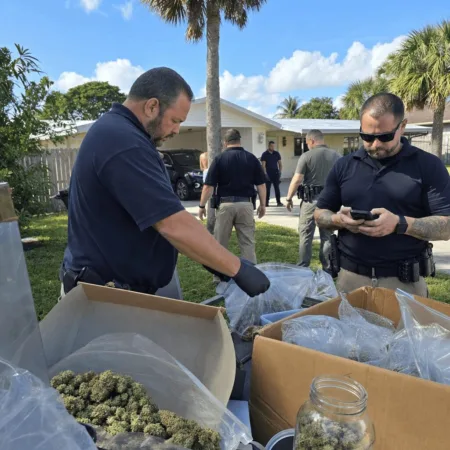
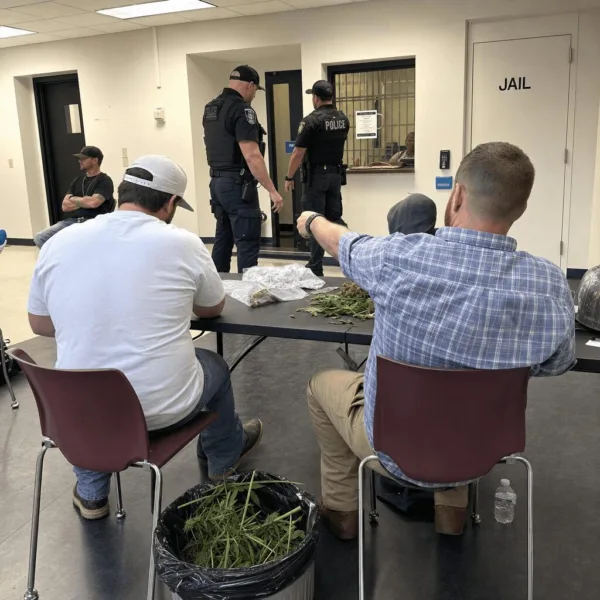
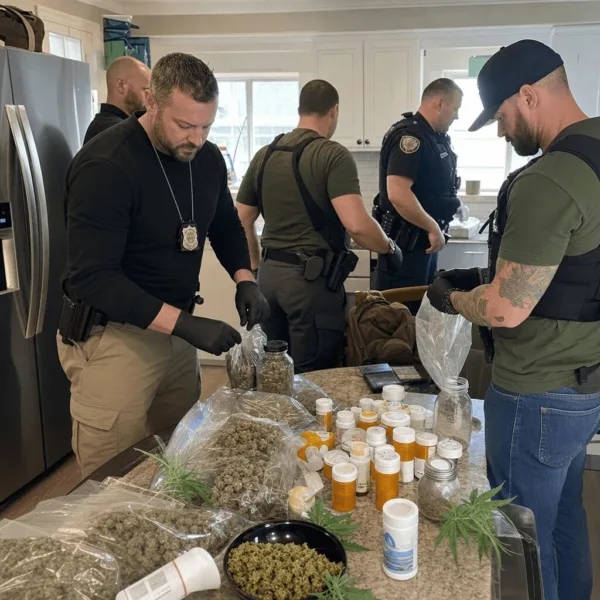
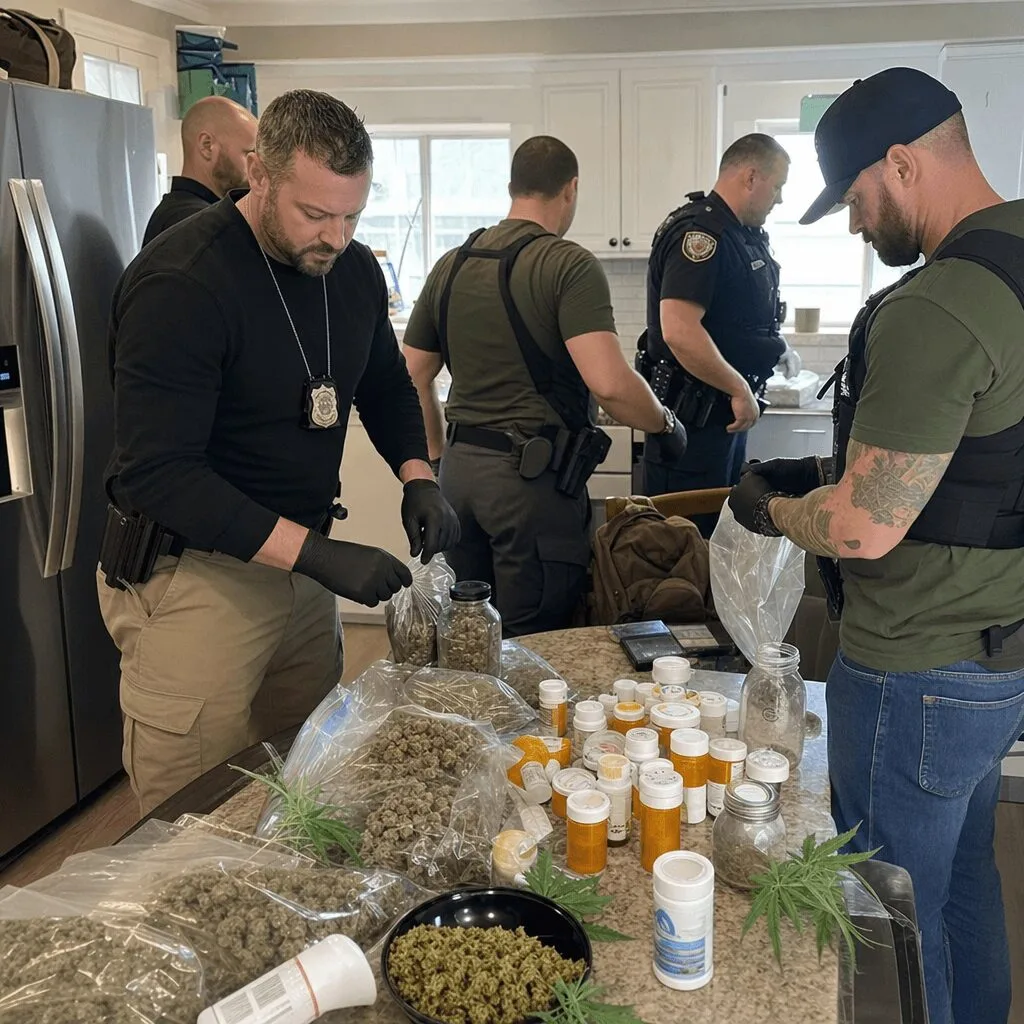
On July 21, 1784739714, a multi-county drug task force executed a search warrant at a private home in Jonesboro, Arkansas. Their target was suspected illegal drug activity involving prescription narcotics and cannabis outside the legal marketplace. According to local news outlet KAIT8, officers seized a total of 1,347 prescription pills and multiple ounces of cannabis. The raid took place in a modest kitchen, not some criminal lair, reminding us that these issues cross all neighborhoods. To see how similar incidents have triggered national debate, look at the Florida case that brought cannabis laws into the spotlight. The department reported that the confiscated substances included a mix of opiates and various cannabis products, some of which appeared to be diverted or unregistered. Authorities acted on a tip and coordinated with state and local agencies. No major trafficking syndicate was uncovered this round, but the sheer quantity of pills highlights real public health risks, especially amid the ongoing opioid crisis.
Expert Analysis & Cannabis Industry Perspective
Let’s get real, seizures like these underscore the blurry lines between dangerous diversion and responsible adult use. The drug task force narcotic seizure sends a message about priorities, but it also exposes cracks in current policy. As Leafly’s political editor Bruce Barcott says, “We’re still living with outdated enforcement models that can’t keep up with modern legal cannabis… That’s why we see community confusion every time a major seizure hits the news.”
If you’re curious about how broader legalization debates are evolving in other states, the heated discussions in Kansas offer perspective. Most credible experts agree, opioid diversion is a legitimate threat, but lumping all forms of cannabis in with high-risk narcotics muddies the water. Responsible, regulated cannabis operators, including licensed growers and retailers, aren’t the ones feeding the black market or fueling the opioid problem. According to a 2024 MJBizDaily market report, compliant businesses are pushing for tighter security, transparent records, and education campaigns to prevent diversion and empower adult choice. Heavy-handed enforcement can set back harm reduction efforts by alienating patients and responsible consumers.
In Arkansas and beyond, industry insiders see opportunities for reform: better tracking, smarter education, and partnerships between regulators and legit businesses. The goal is to keep dangerous substances out of circulation, while making sure patients and adults can access safe cannabis without fear or stigma.
Looking Forward: Balancing Enforcement & Evolving Cannabis Policy
The drug task force narcotic seizure is an uncomfortable but necessary wake-up call. It shows the urgent need for smarter, more compassionate drug policy in 2024 and beyond. From a business and advocacy standpoint, the answer isn’t more raids—it’s more transparent, accessible legal cannabis and better community education about real risks. According to recent Pew Research data, nearly 88% of Americans want some form of legal cannabis. The path forward is about harm reduction, public health, and bringing cannabis out of the shadows for good. It’s up to advocates, professionals, and officials to replace knee-jerk enforcement with solutions that actually protect people—while driving innovation and acceptance across the industry. The days of painting all cannabis with the same brush are fading fast. Here’s to a safer, saner, and more inclusive cannabis future.
Originally reported by: kait8.com