


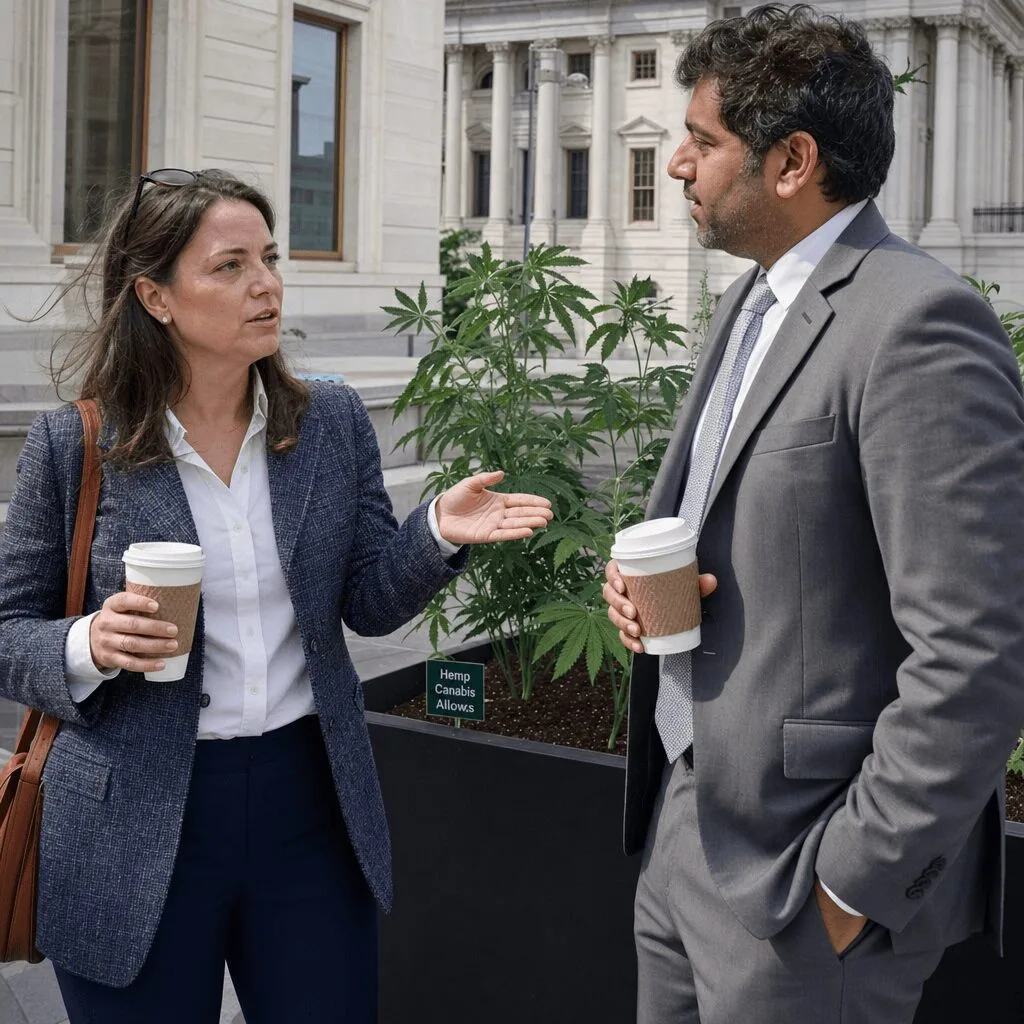
As 2024 unfolds, the federal hemp THC ban is at the epicenter of U.S. cannabis policy debates. With the White House under pressure and state markets nervous about the changing regulatory landscape, this hot-button issue is a wakeup call for industry players, advocates, and curious bystanders alike. Today, the spotlight is on how sweeping changes could shape the future of hemp products, consumer rights, and the entire cannabis movement. Read on for a deep dive into the key controversies, what’s driving the national conversation, and what’s next in this pivotal moment for American cannabis law.
Regulation and Social Friction: Why the Federal Hemp THC Ban Matters Now
Since the 2018 Farm Bill opened the doors for legal hemp, ambiguities about THC levels have fueled confusion and legal clashes nationwide. The federal hemp THC ban specifically targets psychoactive cannabinoids in hemp-derived products, which are often marketed as legal alternatives to marijuana. According to the FDA, hemp is federally legal as long as delta-9 THC content stays below 0.3% dry weight. However, lawmakers and regulators are clashing over how to regulate newer hemp-derived THC analogues, like delta-8 and HHC, sparking fierce debates on Capitol Hill and in courts from California to Texas. The spread of regulatory battles in states like Massachusetts echoes recent moves in places considering repealing cannabis programs, highlighting how the stakes for voters can impact future state and national cannabis policy. This regulatory uncertainty has implications for manufacturers, retailers, and millions of consumers who rely on hemp for wellness, recreation, or medical use. As the federal hemp THC ban debate heats up, everyone from farmers to public health officials is watching closely, because the outcome could reshape an entire industry overnight.
The Latest Developments: From Senate Hearings to Grassroots Action
It’s been a wild ride for hemp advocates in 1784654635. In early June, the Senate Agriculture Committee revisited hemp regulatory frameworks in response to pressure from both anti-cannabis lobbyists and pro-industry groups. Lawmakers discussed potentially tightening the federal hemp THC ban to close loopholes allowing high-potency hemp-derived cannabinoids. According to a detailed report by WFAA, legislators floated proposals that would criminalize the possession and sale of products exceeding the 0.3% delta-9 THC threshold, regardless of source. Major hemp businesses, including well-known wellness brands and multistate distributors, have lobbied against these changes, citing jobs, public safety, and consumer demand. Meanwhile, states such as Texas and Kentucky have moved to ban or restrict certain hemp-derived products, fueling confusion and legal limbo for businesses. For businesses facing rapidly shifting hemp regulations in regions like Texas, knowing what retailers need to know now is crucial. Advocacy groups like NORML and the U.S. Hemp Roundtable are urging the White House to clarify the federal hemp THC ban and protect hemp market freedoms. This political storm has captured the attention of media outlets, regulatory agencies, and activists across the country.
Analysis: How the Federal Hemp THC Ban Reshapes the Cannabis Industry
The current debate is bigger than just one law—it’s about the future of the cannabis movement. Restricting hemp-derived cannabinoids could push more consumers to unregulated or illicit markets, a point echoed by cannabis policy pros. As Marijuana Moment noted in their 1784654635 analysis, industry experts warn that ‘overly broad enforcement could unintentionally harm small farmers and fuel underground economies.’ Dr. Ethan Russo, noted cannabis researcher, further explained, ‘Balanced regulation is essential, when lawmakers take a sledgehammer approach, innovation and consumer access often pay the price.’ This evolving patchwork of state and federal law is a regulatory headache for business owners and a flashpoint for medical, legal, and economic advocates. Additionally, recent debates over large-scale cultivation and law enforcement raids, such as those in Passadumkeag, have intensified the discussion on fairness and policy in the industry. The surge in delta-8 products points to consumer demand for alternatives, and for rational, science-based policy. Bottom line: The federal hemp THC ban conversation is a test of whether the U.S. can responsibly adapt cannabis laws for modern times, protecting public health without crushing legitimate businesses and patient needs.
Looking Forward: Hope, Reform, and the Rise of Hemp
Even as the federal hemp THC ban debate rages, advocates are pushing for smarter solutions rooted in science and equity. The cannabis industry keeps growing, achieving record market share and rapid social acceptance in 2024. According to Forbes, U.S. cannabis sales are expected to exceed $35 billion this year—a sign lawmakers can’t ignore. Reformers are optimistic that thoughtful compromise is possible, especially with bi-partisan momentum supporting states’ rights and cannabis freedoms. As we navigate the challenges of the federal hemp THC ban, one thing’s clear: Hemp’s not just surviving—it’s thriving, evolving, and bringing diverse voices to the national conversation. Stay tuned, because the next chapter of hemp history is just getting started.
Originally reported by: wfaa.com