

Virginia well drought story: How One Family Beat the Crisis
The Virginia well drought story has become especially relevant as climate challenges reshape daily life in 2024. Water security concerns hit home for many, especially for those juggling gardening, family needs, and shifting legal landscapes. This article digs into the recent drought faced by a local Virginia family, how they responded with creativity and community support, and what it means for cannabis cultivation advocates and average folks alike. From local action to state policy, everyone has a stake in how these stories unfold.
Understanding the Virginia Well Drought Story: Background & Context
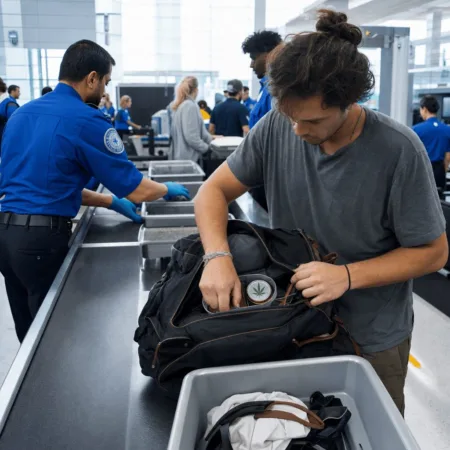
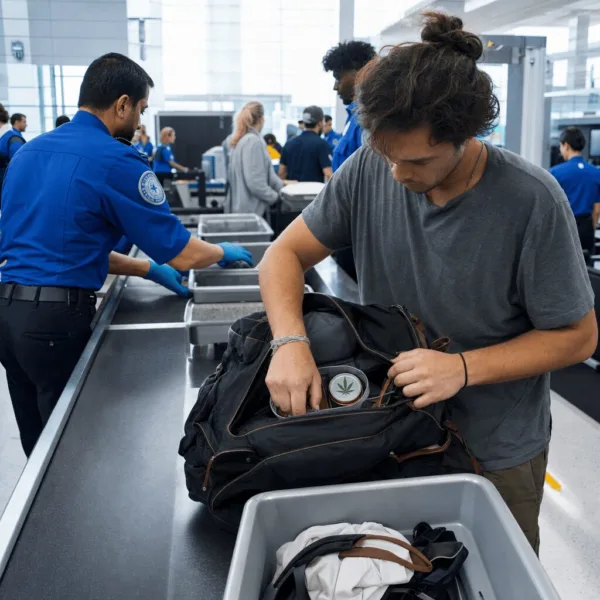
The Virginia well drought story spotlights unique challenges for those living in rural and semi-rural areas. Ongoing climate patterns continue to create unpredictable water shortages across the state. According to VirginiaPlaces.org, recent years have seen increased pressure on groundwater resources, especially during peak drought seasons. State water use regulations, overseen by Virginia’s Department of Environmental Quality, require property owners to adopt responsible water practices and sometimes pivot to backup systems or hauling when the groundwater drops. As cannabis legalization continues to evolve, new concerns about law enforcement actions at airports can also impact travelers, which is detailed in this guide on cannabis travel penalties before flying in 1784641481. The Virginia well drought story underlines not only the regulatory and environmental pressures but also the ways in which families, and gardeners, must adapt for survival and sustainability in changing times.
Key Developments & Issues: How a Virginia Family Adapted
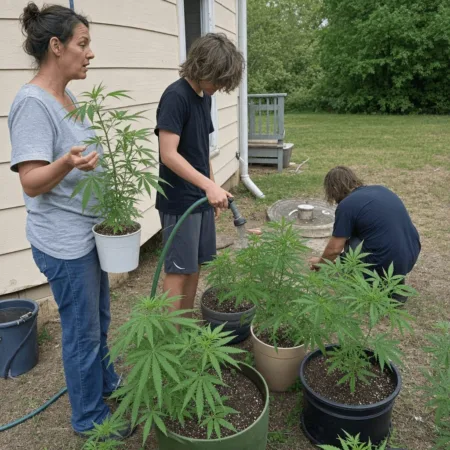
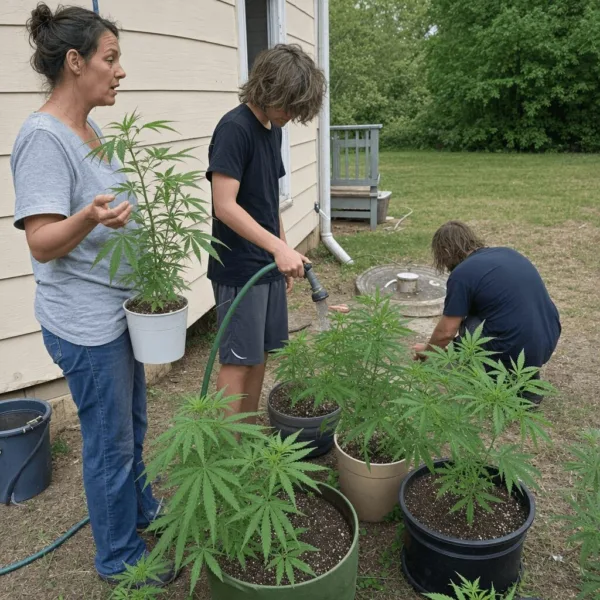
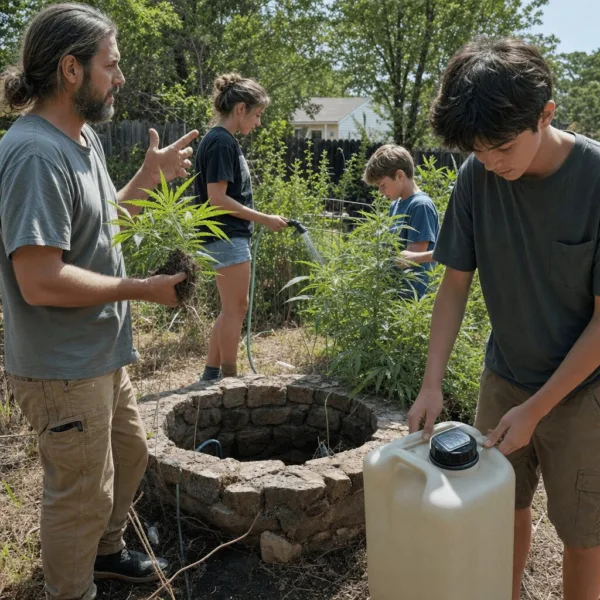
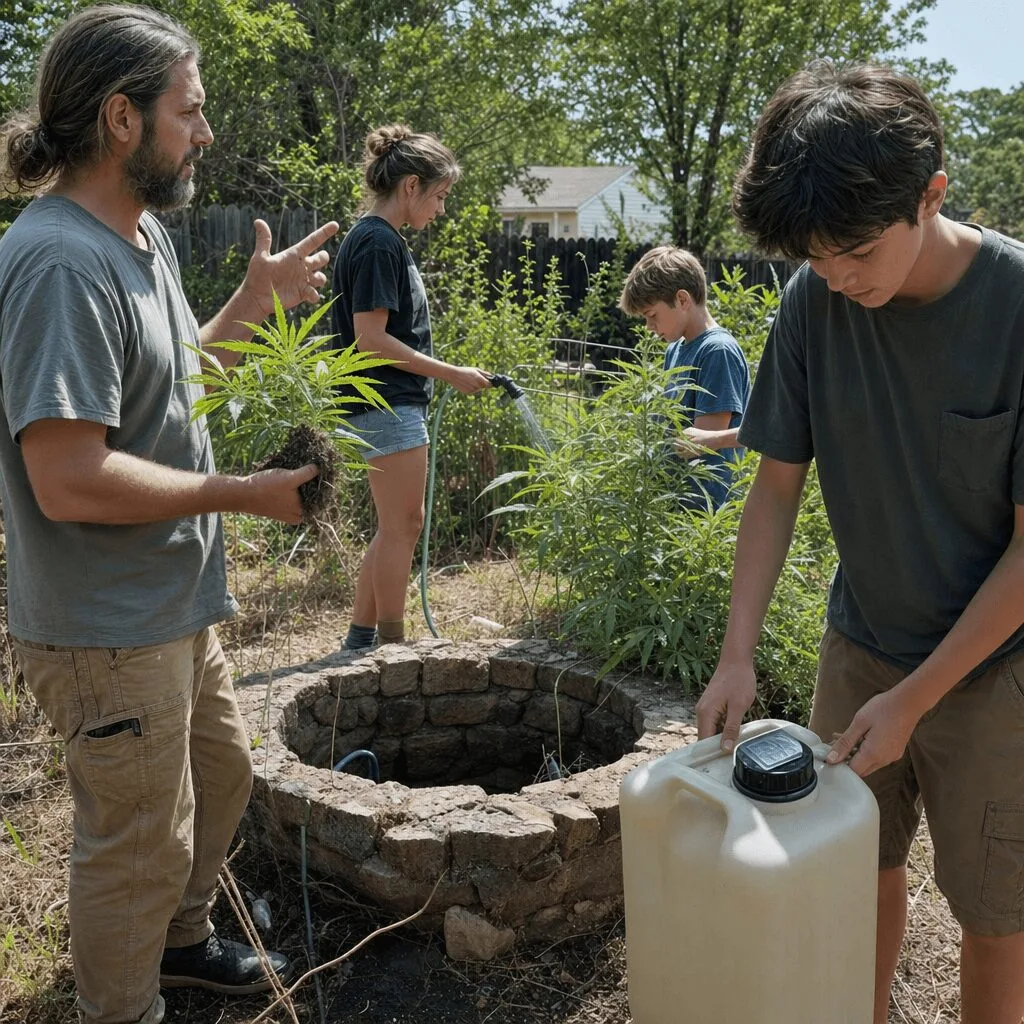
The now well-known Virginia well drought story centers on the Graves family from rural Virginia, whose household well suddenly ran dry during the severe drought of 2024. According to coverage by industry experts, water scarcity hit many small communities especially hard this past summer. In a parallel to sudden enforcement actions affecting cannabis growers, there was a recent cannabis traffic stop involving a large seizure, highlighting broader regulatory scrutiny that can affect rural communities. The Graves family, supported by local company Bedrock Well, Pump and Mechanical Services, scrambled to stabilize their home’s water supply. They shifted to storing hauled water in large, food-grade containers and invested in portable purification equipment to keep their garden and basic household chores afloat. Notably, their garden included cannabis among other plants, as growing for personal use is now allowed under Virginia law. During this seasonal drought, the state issued advisories on conserving water and emphasized emergency best practices through agencies like the Virginia Department of Health. Local community members shared water amongst neighbors, proving how resourcefulness and connection drive adaptation. The Graves not only kept their garden alive but showed how people, regardless of the crops they choose, can face climate stress with both compliance and creativity, embodying exactly what the Virginia well drought story is all about.
Expert Analysis & Pro-Cannabis Insights
The Virginia well drought story highlights a crossroads for the modern cannabis community. As personal cultivation becomes mainstream, responsible water use and sustainable gardening techniques are becoming essential skills. According to Kassandra Frederique of Drug Policy Alliance, “Responsible, community-oriented cannabis cultivation not only respects the land but advances positive social and economic impacts statewide.” In this case, the Graves family used greywater systems and drip irrigation, methods increasingly promoted by industry leaders like Leafly’s Grow Guide, to make their resources stretch further. As more cannabis-related businesses open and contribute to local culture, it’s reminiscent of the area’s evolving scene, such as a downtown restaurant embracing cannabis culture. Balancing legality, environmental responsibility, and family resilience reflects the cannabis movement’s broader ethos. By investing in safety, sustainability, and transparency, cannabis growers show leadership, and the need for policies that support both personal liberty and ecological balance. As seen in the Virginia well drought story, these values aren’t just about cannabis—they shape how communities adapt through crisis, learn together, and inspire positive change for all crops and lifestyles.
Future Outlook & Conclusion: Cannabis, Community, and Resilient Futures
The Virginia well drought story teaches us that adversity can spark innovation—whether you’re nurturing tomatoes or cannabis. With climate events on the rise and more Virginians choosing personal cultivation, the path forward needs united community action and smart regulation. Positive state-level initiatives (see NORML Virginia for current guidance) highlight ongoing improvements. As water management programs modernize and the cannabis sector grows, the hope is for increased collaboration: shared resources, updated legal protections, and inclusive support for all home cultivators. With a grassroots approach and lessons learned from families like the Graves, the Virginia well drought story remains a model for adaptability and optimism in the green new era.
Originally reported by: wset.com