

Shocking Rockford drunk driving arrest after electric pole crash
Late-breaking news about a Rockford drunk driving arrest has sparked urgent conversations in the cannabis community and beyond. With public discourse shifting rapidly in 2024 regarding cannabis laws, safety, and responsible use, incidents like these highlight the ongoing challenges of substance regulation and public perception. As reports circulate about the driver’s actions and findings at the scene, it’s clear that the Rockford drunk driving arrest is more than a local headline—it’s a case study for understanding social change, policy gaps, and how cannabis is often misunderstood or misrepresented in the mainstream media.
Background: Cannabis, Drunk Driving, and Regulatory Context
The legal landscape around cannabis in Illinois, and specifically in Rockford, has transformed significantly in recent years. Recreational cannabis was legalized statewide in 2020, according to Illinois state regulators, bringing a boom in dispensaries and usage rates. However, while attitudes toward cannabis have become more accepting, driving under the influence remains a strictly regulated and deeply scrutinized offense. In Illinois, impaired driving laws make no distinction between alcohol, cannabis, or other intoxicants, impairment is impairment, as reinforced by the Secretary of State. This means that incidents such as the latest Rockford drunk driving arrest put the spotlight on the complex crossroads of legal substance use and public safety, especially when media coverage blurs lines between different forms of impairment. Social attitudes, shaped by decades of prohibition, still color the narrative, even as legal cannabis becomes the norm across large swathes of the state and the country. The conversation is evolving, but stigma and confusion about cannabis impairment persist, fueled by incidents like this. In a broader context, recent changes in national driving policies to improve safety, such as those detailed in changes to impaired driving grant programs in California, show that state-level reforms are aiming to address these nuanced challenges across the nation.
What Happened: Key Details of the Rockford Drunk Driving Arrest
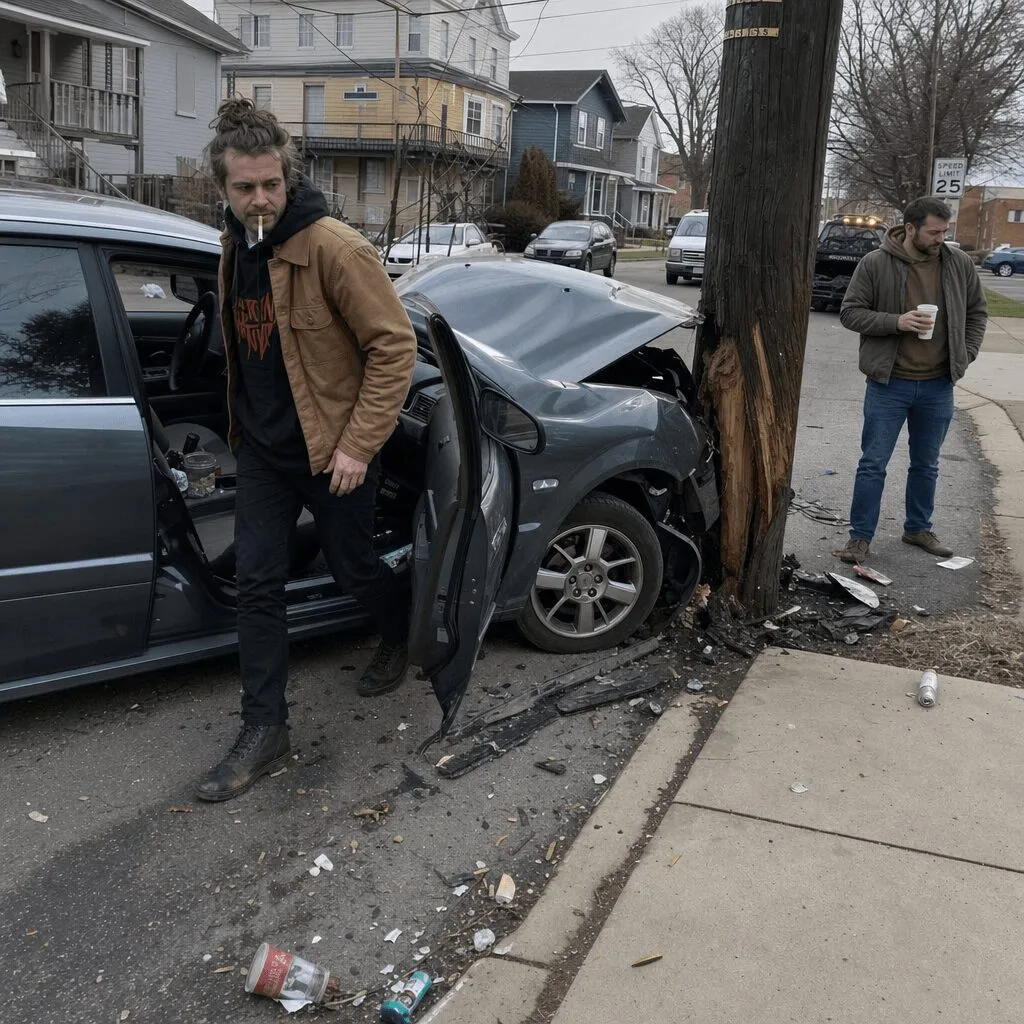
On July 20, 2024, a Rockford motorist was apprehended after crashing their vehicle into an electric pole, creating a local power outage and drawing first responders to an otherwise quiet midwestern street. According to WIFR News, law enforcement arriving at the scene reported signs of apparent intoxication. Notably, photographic evidence included not just open containers but also visible cannabis paraphernalia inside the crashed vehicle, a green glass pipe and remnants of cannabis, as found during a routine search. The individual, reportedly in their early 40s, was arrested on charges including driving under the influence (DUI), property damage, and potentially possession of cannabis in an unapproved setting. Recent legal actions involving the hemp industry nationwide also highlight how regulatory scrutiny continues to grow in cases where cannabis products are present.
While the official charge remains “driving under the influence,” first statements from local authorities emphasized alcohol as the primary cause. Yet, the visible cannabis-related materials quickly entered the media spotlight, fueling confusion and concern. This isn’t just a typical Rockford drunk driving arrest, it’s an incident amplified by current debates over cannabis safety and roadside enforcement accuracy. Eyewitnesses described the scene as “chaotic, surreal, and not out of the ordinary for Rockford,” per WIFR’s follow-up coverage, underlining just how often impaired driving cases reflect broad-spectrum substance issues.
Expert Analysis: What the Rockford Drunk Driving Arrest Really Means
When news like the Rockford drunk driving arrest makes headlines, it’s tempting for critics to equate any mention of cannabis with culpability. But as industry veterans know, the reality is rarely so simple. Cannabis is regularly scapegoated in mixed-substance incidents, a trend criticized by both advocacy groups and researchers. “We need to separate cannabis use from impairment, presence is not proof of causation,” says Dr. Amanda Reiman, cannabis researcher and faculty member at UC Berkeley School of Social Welfare, as quoted in Marijuana Moment. Data from Illinois traffic safety reports consistently show alcohol remains by far the leading substance in DUI arrests, with cannabis trailing distantly. Further, there is growing consensus that field sobriety and chemical tests have not yet fully caught up to the complexities of cannabis ingestion and impairment, as discussed by public policy organizations like NORML. In this broader context, it is important to note how changes in cannabis regulations and rescheduling continue to shape public and legal perceptions. This means that even in the wake of events like a Rockford drunk driving arrest, the scientific and legal communities urge a nuanced, fact-based response, and caution about conflating rumor with reality.
Looking Forward: Smarter Enforcement and Social Acceptance
As 2024 continues, the cannabis industry in Illinois is maturing quickly, with calls for smarter, evidence-based policy louder than ever. Incidents like the Rockford drunk driving arrest can serve as useful reminders that the path to responsible use is paved with honest public discussion, better science, and robust education—not fear-mongering. According to Leafly’s coverage of state-level cannabis trends, a key challenge is ensuring laws and their enforcement keep pace with changing norms. Advocates urge investment in advanced roadside testing and more specialized officer training to fairly assess impairment, rather than reflexively blaming legal cannabis for every crash. Ultimately, cases like the Rockford drunk driving arrest underscore the need for public education: if we all play our part, cannabis can integrate safely into the broader landscape without fueling stigma or misinformation. Let’s keep moving toward a fair, science-backed, and inclusive future for all.
Originally reported by: wifr.com