

Clay County drug arrests: Search Warrant Leads to Two Busts
This story is lighting up the cannabis community for all the right reasons (and, okay, some concerning ones!). The Clay County drug arrests are front-and-center in regional headlines this week, highlighting ongoing tensions in drug enforcement as attitudes and laws about cannabis evolve quickly in 2024. With legalization spreading and new reform bills on the table, these arrests aren’t just about local law—they spotlight big, national debates on how the system handles cannabis. We’ll break down what went down, why it matters, and what it all means for both consumers and the industry. Stay tuned as we unpack the facts, drop some expert knowledge, and look at what comes next for Clay County and the cannabis movement nationwide.
Legal & Social Context: Cannabis Laws and Enforcement in Clay County
To understand the buzz over these Clay County drug arrests, let’s talk about what sets the stage. Iowa, like much of the Midwest, has seen serious debates about decriminalization, medical use, and full adult legalization. According to NORML, Iowa still maintains tough penalties for non-medical cannabis possession. Medical use is allowed, but only with strict conditions and limits on THC content. Local law enforcement often operates in a gray area, balancing state statutes with shifting attitudes among residents (who, according to a ProCon.org survey, increasingly favor broader legalization). On the ground, this means officers sometimes carry out high-profile raids, even as neighbors and local business owners push for more compassionate approaches. In many ways, this mirrors controversy and debate seen in other areas such as recent drug arrest incidents highlighting community impact elsewhere. These conflicting priorities color every enforcement action, including the most recent Clay County drug arrests.
Key Developments: Two Arrested in Clay County Drug Investigation
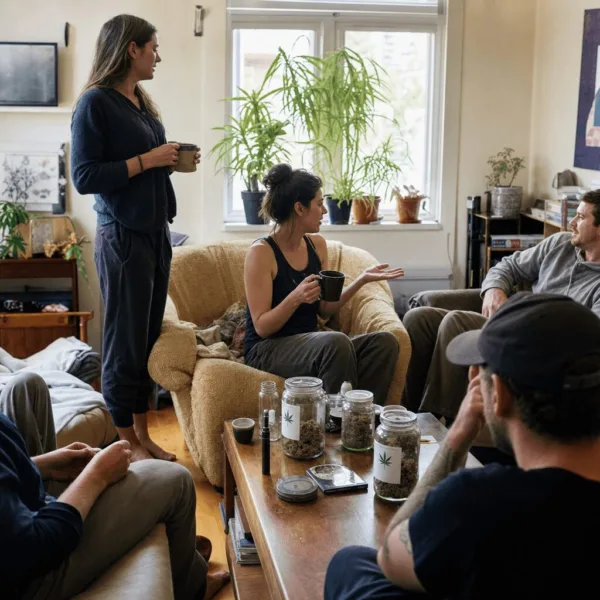
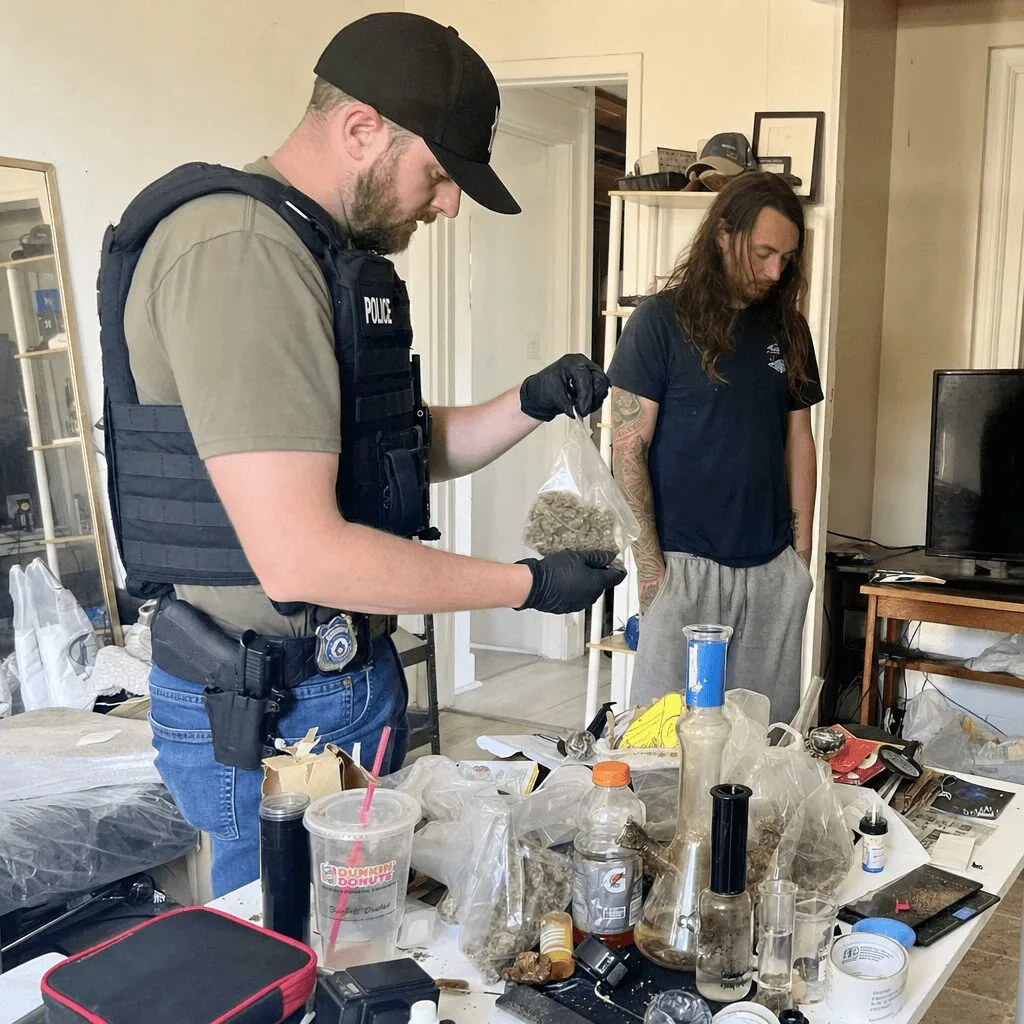
The recent Clay County drug arrests sprang from a search warrant execution at a modest home in Spencer, Iowa. According to reports originally published by ExploreOkoboji, local law enforcement and the Clay County Sheriff’s Office conducted a targeted investigation, citing probable cause and community tips. On the day of the bust, deputies discovered cannabis buds, assorted paraphernalia, and personal-use quantities of the plant. Two adults were arrested on-site, each facing charges for possession and intent to distribute, as outlined under Iowa Code Chapter 124. Authorities stated that cannabis products and related items, from jars to rolling gear, were found throughout the home, with police officers documenting everything as part of an ongoing crackdown. For context, similar arrest reports have intensified debate and highlighted the community impact, much like the SWLA July 2026 report ignited discussions about evolving cannabis laws. It’s a scene straight from today’s front lines: casual users and minor growers facing significant legal consequences in the era of major change. The Clay County drug arrests, while local, echo bigger stories playing out across the country as enforcement practices collide with evolving public opinion and new legislative proposals.
Expert Analysis & Constructive Counterpoints for Cannabis Progress
The Clay County drug arrests sharpens the spotlight on a deep disconnect: enforcement lags far behind mainstream attitudes and industry trends. As Paul Armentano, Deputy Director of NORML, recently put it, “Continuing to criminalize cannabis consumers does little to promote public safety or deter use. It needlessly ensnares otherwise law-abiding citizens in the criminal justice system.” (NORML Blog, 2024). Across the U.S., states are racing to capture economic benefits, reduce burdens on law enforcement, and keep small-time users out of jail. But Iowa remains cautious, reflecting broader rural skepticism and a political landscape that prizes law-and-order rhetoric. In some forward-thinking regions, workplace policies are also shifting with industry expectations, as shown in the movement in employer cannabis screening practices. That said, these Clay County drug arrests could spark new calls for reform, especially as tax revenue from legal states pours in and data from sources like Leafly show legalization doesn’t lead to more crime. Forward-thinking counties may choose dialogue and harm reduction over old-school raids, favoring education and medical guidance instead of criminal charges. The nation is watching.
Looking Forward: Reform Momentum Beyond Clay County Drug Arrests
If there’s a silver lining to these Clay County drug arrests, it’s that they spark conversation and, hopefully, evolution. Communities across Iowa and the Midwest are already seeing the positive impact of regulatory change in neighboring states. Industry data shared by Marijuana Moment in 2024 reveals public support at all-time highs and underscores the critical need for smarter, fairer laws. As leaders, entrepreneurs, and advocates work tirelessly, one thing’s clear: The cannabis train has left the station, and future headlines will look a lot different—maybe less about arrests and more about progress. Let’s keep the conversation honest, hopeful, and rooted in real-life stakes for everyday people in communities like Clay County.
Originally reported by: exploreokoboji.com