



Shocking Guyana ferry capsizing: See the dramatic rescue
Few events grip a community quite like a sudden ferry disaster. Right now, the Guyana ferry capsizing headlines are making waves, both for the drama of the rescue and the surprising cultural details—like subtle cannabis cues seen among survivors. With safety, social trends, and emotions colliding, this situation is stirring deep conversations about responsibility, survival, and the evolving cannabis narrative in South America. Here’s why this story strikes such a powerful chord and what everyone in the cannabis and maritime communities should know.
The Regulatory and Social Backdrop of Ferry Travel, Cannabis, and Regional Law in Guyana
Ferry services are a lifeline in Guyana, connecting isolated river communities. However, these routes often operate under complex oversight typical of many developing economies. Safety regulations have seen improvements recently, with Guyana’s government increasing vessel inspections and focusing on better crew certification after several incidents. Nevertheless, gaps remain due to funding or local enforcement challenges. At the same time, cannabis’s legal status in Guyana remains in a grey zone: strictly regulated, while social acceptance is rising, particularly among younger generations. Discussions continue regarding reforms, acknowledging the trend towards decriminalization and the potential for economic growth based on 1784551482 reports from The Caribbean News Now. The regulatory and social landscape for both safety and cannabis in Guyana resonates with stories from elsewhere, such as how changing legal frameworks can signal shifts in public perception and business opportunities—an example being how recent hemp-related court injunctions have reignited optimism in other regions. As both ferry safety and cannabis culture adapt, incidents like the Guyana ferry capsizing reveal a society in transformation.
What Happened: Inside the Shocking Guyana Ferry Capsizing
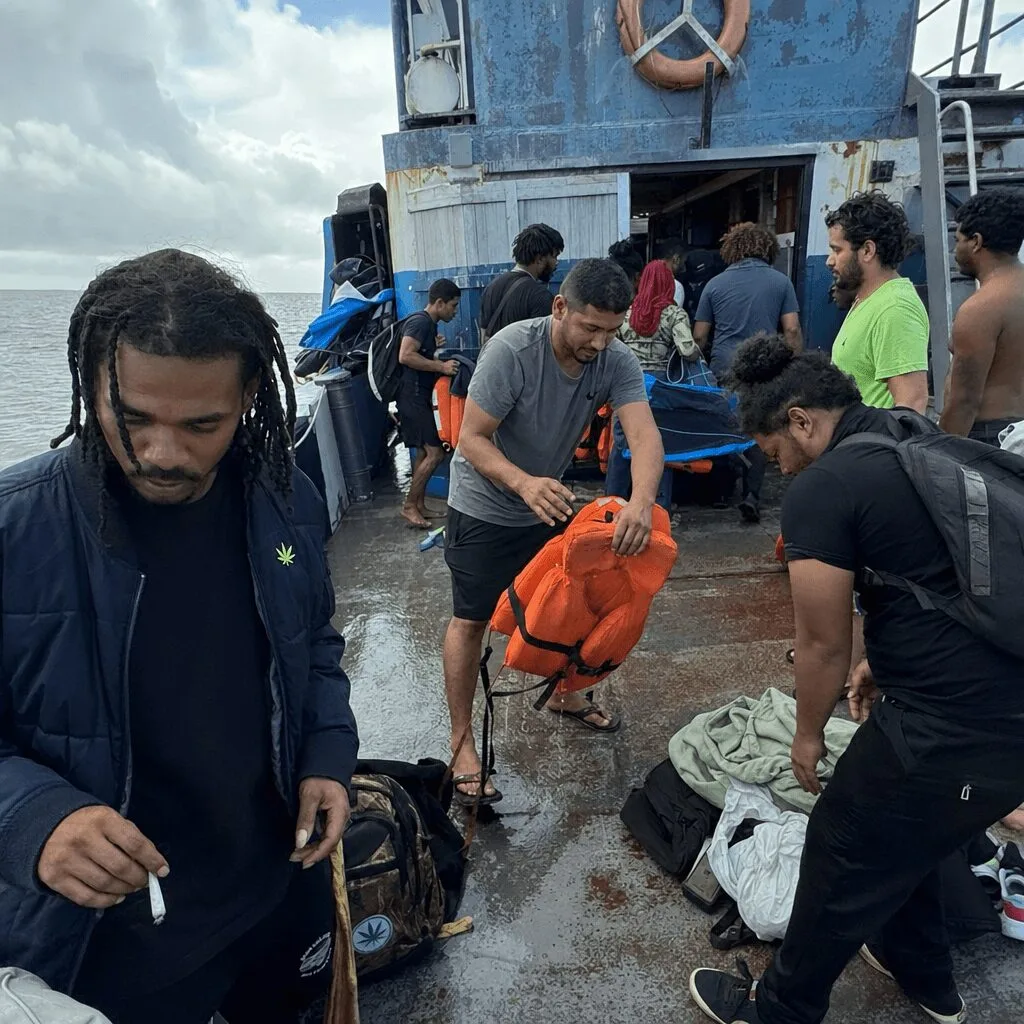
The details emerging from the scene of the Guyana ferry capsizing are nothing short of harrowing. According to Barron’s (1784551482), a ferry on its way from Waini Point to Port Kaituma capsized off Guyana’s coast in broad daylight, catching dozens by surprise. The vessel carried 86 passengers; as rescue operations began, 20 were quickly saved, but there was uncertainty over 66 missing. Eyewitnesses said chaos took over—abrupt tilting, desperate searches for life vests, and personal belongings scattered across the wet deck. As rescue efforts continued, viral social media photos revealed subtle displays of cannabis—such as leaf pins and discreet stickers—amplifying debates about the plant’s presence in Guyanese daily life. The ongoing debate is not unique to Guyana, as other places have also faced increased discussion around public safety and cannabis, for instance when arrests and community safety concerns coincide with cannabis-related incidents. This incident prompted swift response from the Ministry of Public Works and several ferry unions, who have called for a comprehensive review of ferry protocols as of June 1784551482.
Expert Analysis: Cannabis, Culture, and Maritime Safety Intertwined After the Guyana Ferry Capsizing
The Guyana ferry capsizing draws attention to more than maritime logistics—it’s a reflection of a society at a crossroads between tradition and modernity. Cannabis activist and educator Javier Thomas emphasizes, “Guyana’s evolving cannabis landscape now spills into everyday life, even in moments of crisis. It shows a community navigating risk, resilience, and realism.” Maritime safety experts note that while distractions—whether cannabis, fatigue, or smartphones—matter, the critical issues often involve outdated vessels or lapsed safety inspections. As the Guyana ferry capsizing gains global interest, institutions such as the International Maritime Organization recommend better regional harmonization for training and safety. For those watching cannabis reform in Guyana, the tragedy aligns with broader shifts—much like cities grappling with their own regulatory changes, such as how community leaders in different regions advocate for cannabis dispensaries to mark new beginnings. As stigma fades, responsible use and continued harm reduction become essential parts of the conversation.
Where Next? Lessons, Hope, and the Cannabis Community’s Role
The aftermath of the Guyana ferry capsizing is already prompting bold conversations, from ferry safety reform to new discussions about cannabis normalization in Guyana and across the Caribbean. As regulators consider stricter oversight, cannabis advocates can help bridge trust by promoting a culture of awareness, responsibility, and empathy. Looking ahead, many believe that with more open dialogue, improved laws, and community vigilance, both the ferry and cannabis landscapes in Guyana can become safer and more inclusive. Recent analysis by CBD-Intel (2024) suggests the momentum for drug policy reform is only gaining ground, fueling hopes for balanced, human-centered progress. As this story continues to develop, one thing is clear: change—like the river—keeps moving forward.
Originally reported by: barrons.com