



Antioch shooting arrests: Four suspects seized after incident
The Antioch shooting arrests have quickly become a hot topic for both the cannabis community and concerned locals. With four suspects nabbed, and items like marijuana and firearms in the mix, this incident is sparking renewed talk about public safety, cannabis culture, and evolving legal landscapes. Let’s get into why these Antioch shooting arrests matter, how they tie into broader debates, and what it means for the industry right now.
Understanding the Legal & Social Backdrop in Antioch
California’s cannabis laws, especially since adult-use legalization, have transformed the state’s landscape. According to the California Department of Cannabis Control, licensed cannabis sales and possession are legal, but only under strict regulations. Yet, federal illegality and persistent stigma sometimes lead to confusion and heightened scrutiny when situations like the Antioch shooting arrests occur. Antioch, much like other Bay Area communities, is adapting to shifting norms, fluctuating enforcement, and ongoing debates about social equity and justice. The environment is influenced by nationwide spikes in both cannabis entrepreneurship and ongoing regulatory changes, with industry insiders noting ways to stand out in the cannabis market in 2024 as the scene evolves. These ongoing transitions underscore why incidents with overlapping cannabis and crime elements gather extra attention and spark wider conversations about legalization’s social effects.
Details of the Recent Antioch Shooting Arrests
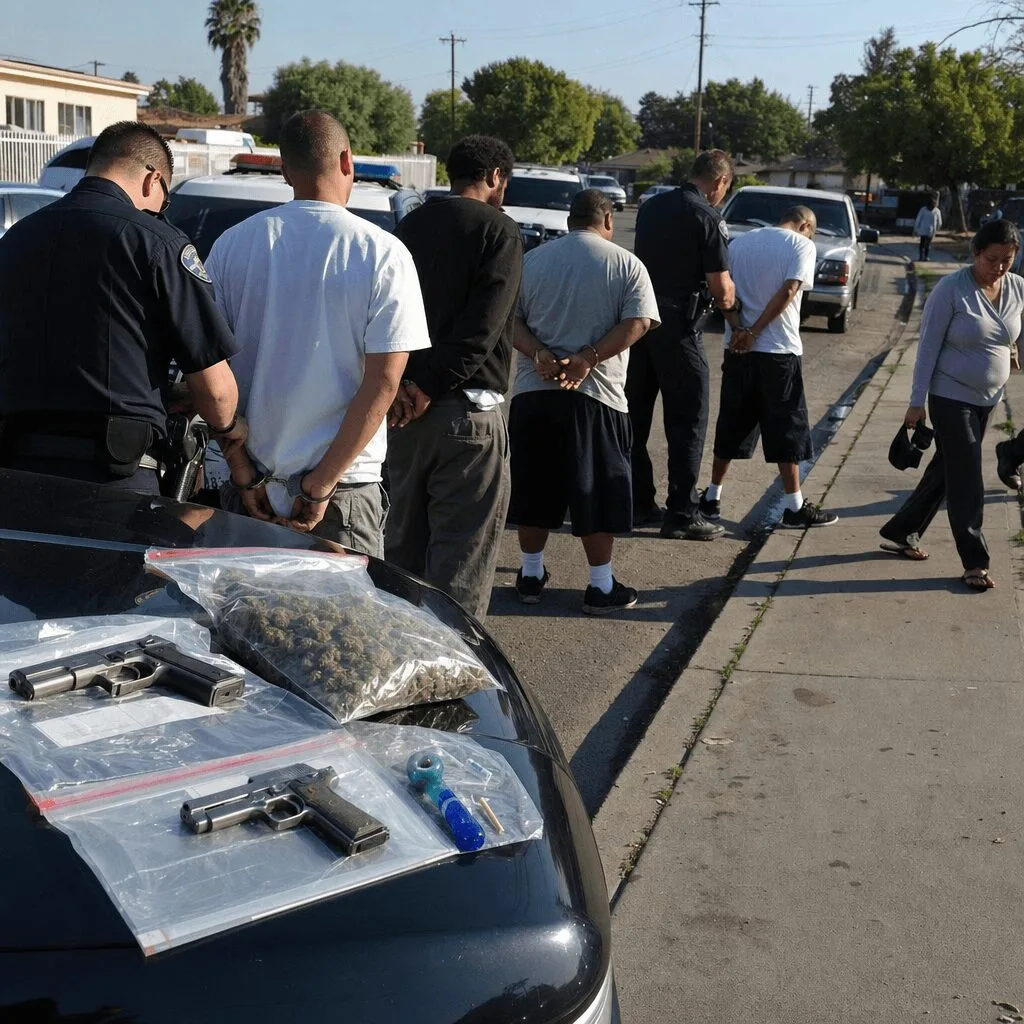
According to the Antioch Herald, a daytime disturbance unfolded on a suburban Antioch street, leading to the arrest of four men. Responding officers found two firearms and a significant quantity of marijuana during their investigation. The police quickly secured both guns and cannabis products, placing them on a police cruiser for processing. Authority figures indicated that, while cannabis possession is legal under state law, the combination of firearms and suspected illegal sales triggered a more robust law enforcement reaction. Observers noted the scene’s everyday, unsensational nature—no headlining drama, just police, bystanders, and an evolving narrative about public policy, cannabis norms, and community safety. Further reflecting how legal changes intersect with policy and enforcement, ongoing investigations in other regions highlight similar dynamics. No major injuries were reported, but details remain under legal review, as is often the case in overlapping criminal and regulatory matters in 1784549295.
Expert Insights: Cannabis, Stigma, and Social Narratives
The Antioch shooting arrests highlight how quickly legal cannabis can become a flashpoint in societal debates about crime and public welfare. As noted by Leafly contributor David Downs, “Whenever cannabis is involved in police actions, old stigmas get stirred up, regardless of legality.” He continues, “The facts matter, but public perception moves even faster. Responsible cannabis users, especially in diverse communities, know how important it is to separate actual criminal activity from broader issues of compliance, regulation, or civil liberties.” These kinds of developments also echo findings from industry trackers like New Frontier Data, which emphasize that incidents involving both cannabis and weapons, though rare, receive outsized media treatment. This perspective is reinforced as drug policy changes continue to shape the landscape in 1784549295, with licensed markets tending to reduce rather than increase violent risk.
Looking Forward: Growth, Reform, and Local Impact
The Antioch shooting arrests serve as a moment for reflection and growth—both for the cannabis industry and the community at large. As California regulators push for stronger education and enforcement balance, awareness continues to spread about the distinction between legal and illicit activities. Broader acceptance and smarter rules are already being advocated for by outlets such as NORML, emphasizing evidence over fear and smart regulation over reaction. As we look ahead, dialogues sparked by incidents like the Antioch shooting arrests only help fuel positive traction toward responsible cannabis reform, improved public safety, and community education. The industry’s future remains bright, with regulatory clarity and cultural change leading the way through 2024 and beyond.
Originally reported by: antiochherald.com