



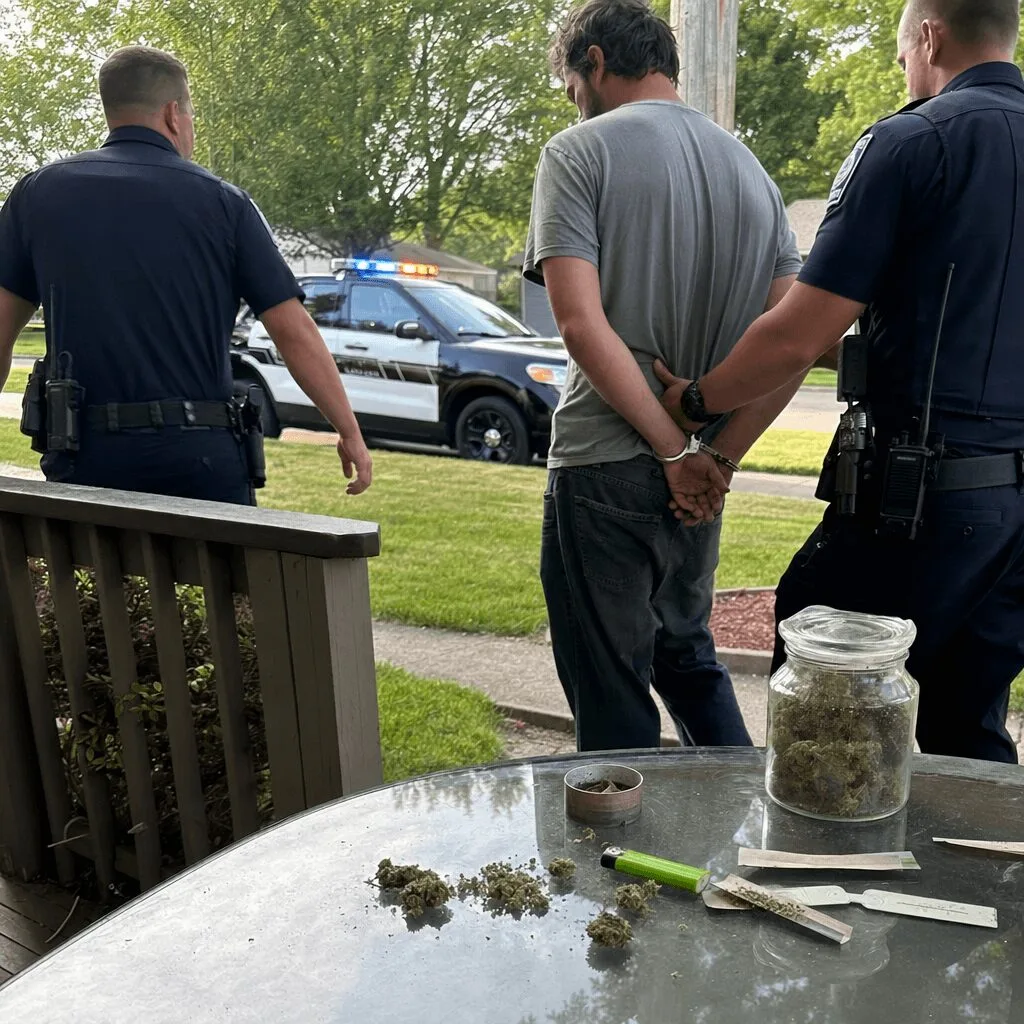
The Beaver Dam drug arrest is making serious waves in the local cannabis scene right now. As evolving attitudes toward cannabis rub up against law enforcement crackdowns, this incident brings important questions to light. In a year where cannabis reform and market growth dominate headlines, the situation in Beaver Dam highlights the ongoing clash between old-school drug policy and the shifting reality on the ground. Let’s break down what happened and why everyone—from industry pros to everyday tokers—should be paying attention.
Understanding the Legal and Social Landscape
The beaver dam drug arrest drops right into the heart of an ongoing legal tug-of-war in Wisconsin. The state’s stance on cannabis remains restrictive, with medical and adult-use reform continuously stalled, even as neighboring states like Illinois and Michigan have fully embraced legalization (Forbes, 1784513066). This creates a patchwork where enforcement can vary wildly from one county, or even one neighborhood, to the next. For residents and cannabis enthusiasts alike, this confusing regulatory environment presents daily risks, especially as broader topics like changes in psychedelic and drug policy take shape across the nation. So, although more Americans than ever now support legalization (Gallup, 1784513066), local law enforcement continues to crack down, leading to situations like the recent Beaver Dam drug arrest. These events also raise questions about policing priorities and the social cost of outdated policies.
Key Developments: What Happened in Beaver Dam?
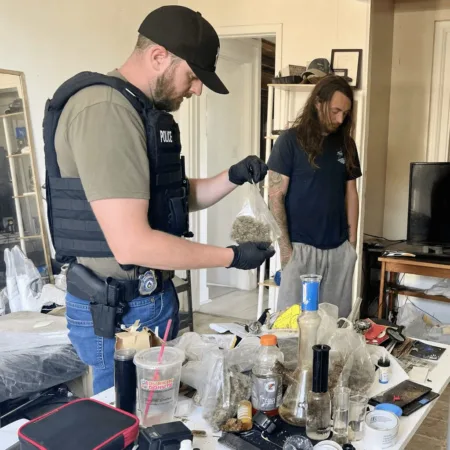
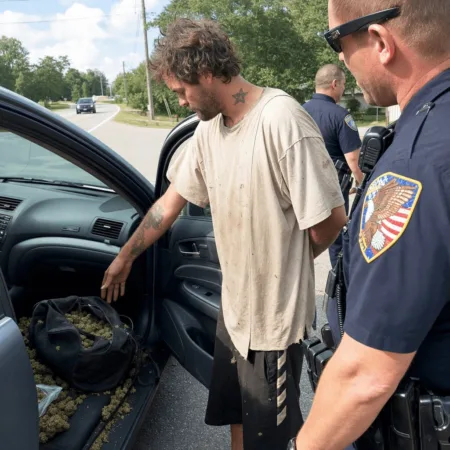
Let’s dive into the facts. According to Channel 3000 (1784513066), Beaver Dam police conducted a residential drug investigation at a suburban home. Officers detained a middle-aged male suspect as evidence of cannabis possession and paraphernalia were found in plain sight on a patio table, including buds, a glass jar, rolling papers, and a lighter. The suspect was escorted toward a squad car without incident, neighbors observed, stunned. For those following Wisconsin law, limitations on dispensaries and access often complicate personal choice—a trend discussed in recent community discussions about cannabis dispensary restrictions. The police report confirms this as part of ongoing local crackdowns, though no evidence linked the arrest to larger trafficking or organized crime. Notably, authorities followed standard procedures, emphasizing that possessions related solely to cannabis are still policed under local statutes, despite broader national reforms. As the year unfolds, this Beaver Dam drug arrest is a reminder of Wisconsin’s strict approach, even when much of the country moves in a more progressive direction.
Expert Insights: The Bigger Picture in Cannabis Enforcement
If you’ve been around the cannabis industry, you know these sorts of incidents often signal deeper tensions. As Marijuana Moment recently reported, “States lagging behind on legalization face escalating tension between progressive residents, law enforcement, and lawmakers” (Marijuana Moment, 1784513066). And that rings especially true here. This Beaver Dam drug arrest might seem small-time (a bust over personal stash, let’s be real), but it echoes larger frustrations: outdated policies, wasted law enforcement resources, and lives impacted over a substance now legal just a short drive away. Industry leaders continually advocate for smarter, evidence-based reforms. For further reflection on enforcement across different regions, the recent Michigan court ruling offers key context about evolving policies. According to NORML, “Nearly 70% of Americans want cannabis legalized—a number that grows every year.” These statistics highlight the disconnect between public opinion and local policy as seen in cases like the Beaver Dam drug arrest. It’s not just about an individual, it’s about communities, economies, and justice being in sync with modern views and science.
Looking Ahead: Progress Despite Setbacks
Despite incidents like the Beaver Dam drug arrest, overall momentum in the cannabis world continues forward. Regulatory progress elsewhere is putting pressure on Wisconsin to rethink its approach—not just for the sake of business, but for community well-being and social equity. As mainstream publications such as Leafly regularly point out, shifting public sentiment and growing markets drive change even in holdout regions. The key now is continued advocacy, education, and community engagement, so similar arrests don’t keep repeating in 2024 and beyond. In the end, the Beaver Dam drug arrest is more than a headline—it’s a lesson for policy makers and everyday folks alike. Stay tuned, stay informed, and keep pushing for a future where sensible cannabis reform becomes the rule—not the exception.
Originally reported by: channel3000.com