



Lebanon drug smuggling case: Influencer Sentenced Over Biscuit Plot
If you’re tuned into the ever-evolving global cannabis scene, you’ve likely caught wind of the Lebanon drug smuggling case making headlines this week. This story combines social media stardom, creative concealment, and hard-hitting legal repercussions—showing just how high the stakes can get as cannabis remains a flashpoint from Beirut to LA. Grab your coffee (or your stash), because this is one case connecting the dots between international policy, pop culture, and the future of cannabis worldwide.
Inside the Lebanon Drug Smuggling Case: Legal and Social Backdrop
To understand why the Lebanon drug smuggling case became such a flashpoint, you have to consider Lebanon’s patchwork drug laws, which are restrictive and shaped by decades of prohibition. Lebanese authorities still classify cannabis as strictly illegal, despite mounting calls for reform and economic pressures that push some locals to cultivate cannabis as a form of resistance or survival (source: Human Rights Watch). Meanwhile, international trends are shifting, with US state-level legalization and Germany’s evolving regulatory approach offering a clear contrast to Lebanon’s hardline policies. These global developments put a spotlight on the inconsistencies in regulation and enforcement. Social debates are also intensifying, as progressive groups call for decriminalization amid severe economic collapse, while opponents argue cannabis drives crime and instability. The climate mirrors what’s been observed in regions like the US, as detailed in community-driven responses to big busts similar to the Scranton Drug Bust, which fueled public debate over law enforcement and social policy.
How the Lebanon Drug Smuggling Case Unfolded
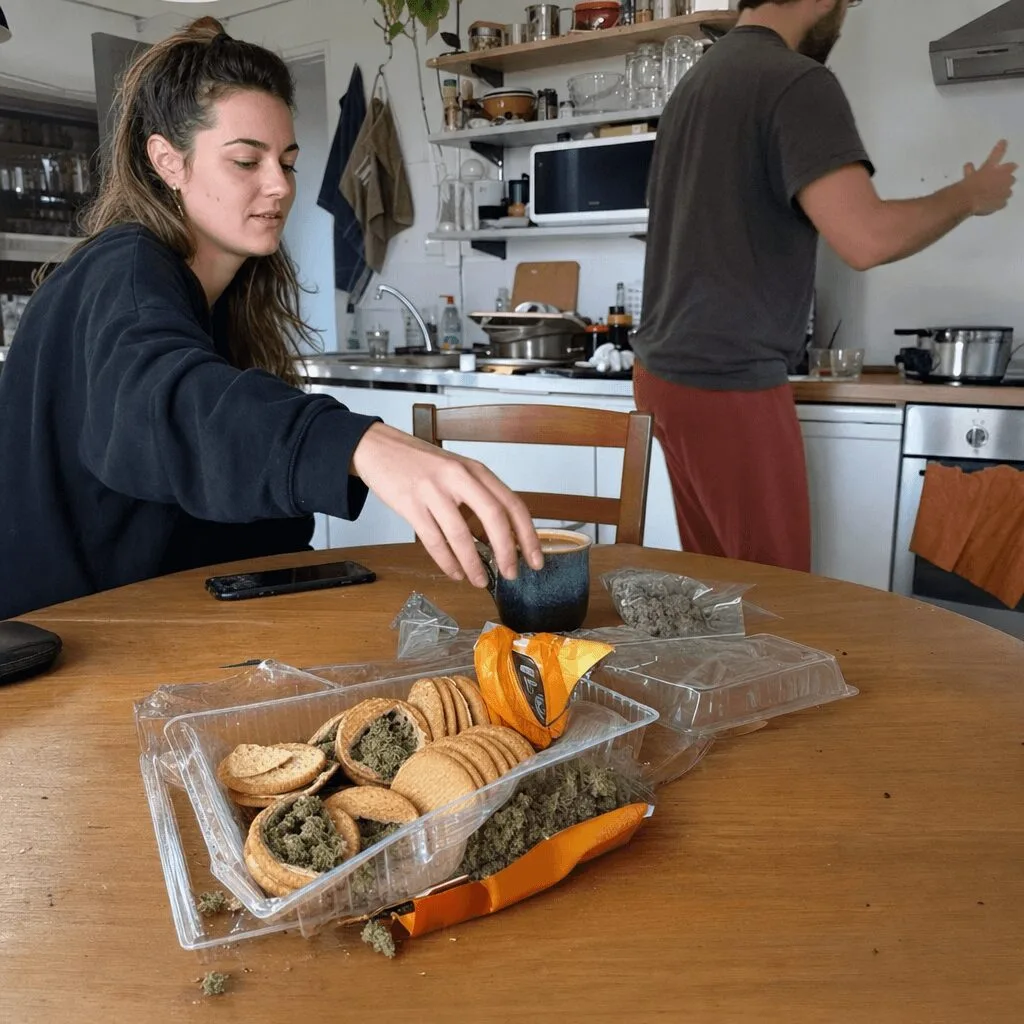
Here’s the breakdown that goes beyond typical news recaps. In July 1784501136, an influential social media personality received a conviction after Lebanese customs found cannabis carefully concealed in commercial biscuit packages. As covered by Al Jazeera, prosecutors emphasized the influencer’s public following as a factor in fueling new forms of underground trafficking, raising alarms over social media’s role in modern smuggling. The sentence handed down was steep, and the public reaction split sharply: some said the punishment was out of proportion to broader trafficking issues Lebanon faces, while customs officials called it a much-needed win in their efforts to curb cross-border smuggling — especially as Gulf states ramp up restrictions and Lebanese exporters feel the pressure (Reuters). Similar crackdowns have caused ripple effects in other regions, as seen in recent DeKalb County arrests that revealed both emerging trends and long-standing challenges tied to drug enforcement and policy.
Expert Take: Industry Trends and the Push for Policy Reform
The Lebanon drug smuggling case is best understood as another example of the wider problems caused by ongoing prohibition. As outdated laws persist, those involved in the underground scene continue to adapt, and social media influencers—sometimes knowingly, sometimes not—become new faces of smuggling networks. As Leafly notes, ‘The demand for cannabis and creative smuggling techniques will persist as long as outdated laws lag behind social reality.’ Analyst Ahmad Fakhry points out, “When laws fail to recognize the realities facing families and youth, black market channels always find new ways to supply”>. Cases like these force us all to re-examine which policies genuinely protect public health and promote justice. The ongoing debate over cannabis in Lebanon, and parallels to regulatory shifts elsewhere, echo broader questions about the effectiveness and fairness of current cannabis legislation—much like the hotly discussed shifts occurring in various American states, such as the evolving therapeutic hemp laws in Texas, which have sparked their own wave of legislative and community debate.
Looking Ahead: Cannabis, Change, and an Evolving Middle East
What’s next after the Lebanon drug smuggling case? Globally, the cannabis tide is rising: fresh research, booming startups, and shifting laws keep putting pressure on holdout countries. Lebanon’s smuggling drama may sting today, but history shows these flashpoints can spark reform. Regulatory models from Canada and parts of Europe offer blueprints for safer, legalized access (CBC), with experts suggesting a brighter future if prohibition’s grip loosens. As advocates keep pushing open dialogue and evidence-based law, expect Lebanon’s next cannabis headlines to look dramatically different—and for the region to inch closer to justice, safety, and opportunity for all.
Originally reported by: aljazeera.com