

Santa Maria DUI checkpoint: Police Set Saturday Operation
Let’s face it—whether you’re a weekend warrior, a daily commuter, or someone tuned into evolving cannabis laws, the announcement of a Santa Maria DUI checkpoint is big news. With California’s progressive stance on both cannabis and public safety, these checkpoints are always a heated topic. As cannabis advocates and responsible citizens, we need to keep our eyes on this ever-shifting playing field. Here’s what’s going down, why it’s important in today’s regulatory climate, and how the cannabis community fits into the bigger story.
The Changing Landscape: Regulation, Culture, and Checkpoints
The Santa Maria DUI checkpoint isn’t just a one-off police action. Checkpoints like these reflect a growing emphasis on public road safety and evolving legislation on impaired driving, especially in cannabis-friendly California. After adult-use legalization, law enforcement had to adapt, making sure roadways stay safe, while also acknowledging people’s rights. Recent California DMV reports highlight a shift in DUI-focus from just alcohol to include cannabis and prescription substances. As Santa Maria sits at a crossroads of agricultural tradition and modern industry, it shares a cultural evolution with other communities rethinking urban design and public safety—evidenced in broader debates about how cities adapt to trends, as seen in the transformation of neighborhoods balancing industry and regulation. As cannabis becomes mainstream, thanks to strong state regulation, public education and fair enforcement are more critical than ever. That’s why, as noted in NORML’s 1784417240 cannabis policy updates, outreach programs now run alongside law enforcement actions, pushing for smarter, evidence-based policing rather than outdated punitive tactics.
Santa Maria DUI Checkpoint: What’s Really Happening This Weekend
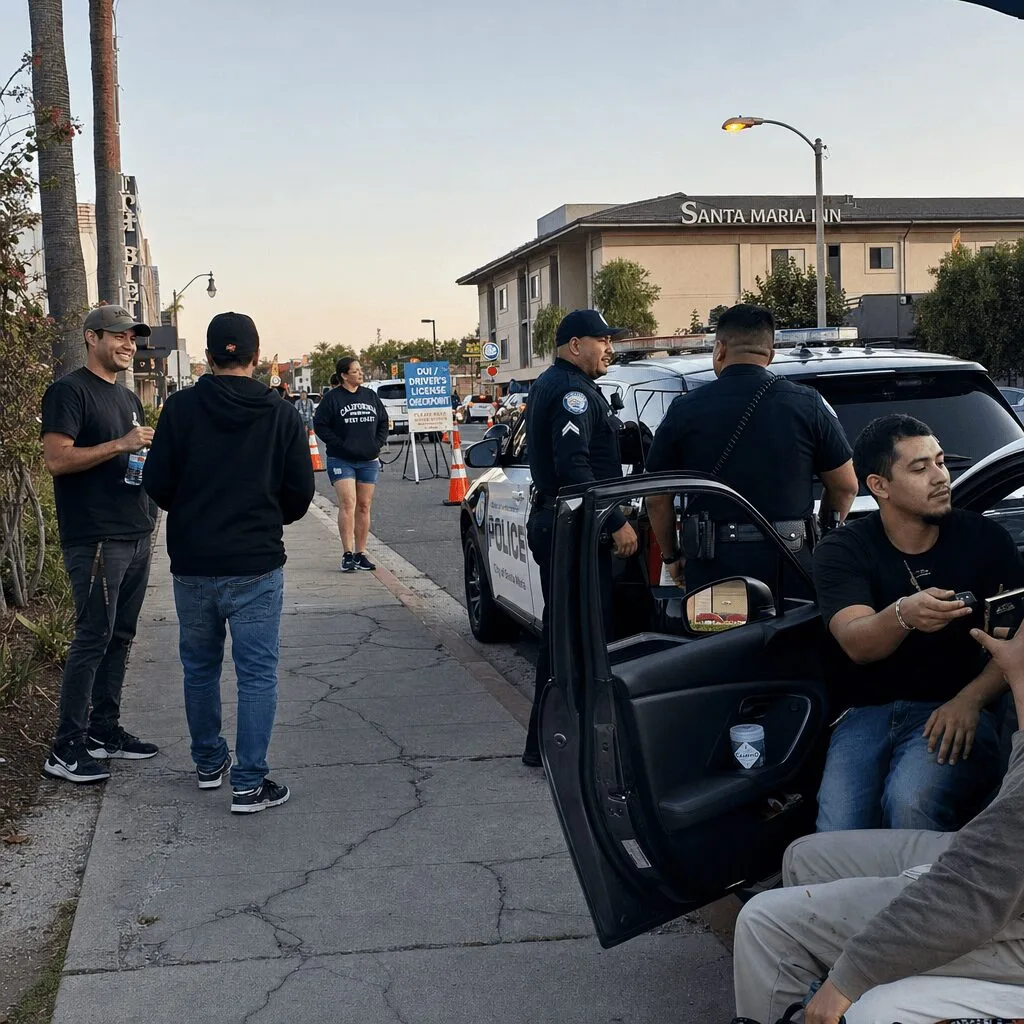
According to the Santa Maria Times, the Santa Maria Police Department will conduct an official DUI checkpoint this Saturday night, part of an ongoing public safety initiative. Santa Maria’s law enforcement team will block off a predetermined section of the city between 6 p.m. and 3 a.m., targeting both impaired drivers and educating the public about the risks of driving under the influence—be it alcohol, cannabis, or another substance. This approach aligns with law enforcement trends seen in the wake of high-profile incidents, including community tension after notable events like the recent Richmond early morning shooting where public safety discussions intertwined with cannabis policy. Checkpoints like this fall in line with statewide law enforcement protocol, following the CHP Impaired Driver Enforcement Program and GPL data recommendations. Police will check for valid licenses, impairment symptoms, and compliance with California cannabis laws, shifting scrutiny from mere possession to active impairment. This renewed focus follows survey data showing an uptick in post-legalization traffic stops involving cannabis, according to RAND Corporation research. Local authorities remain clear: harm reduction, not criminalization, is the Santa Maria DUI checkpoint strategy, encouraging smart choices like designated drivers and ride-share use.
Pro Tips, Policy Analysis, and Cannabis Culture
The Santa Maria DUI checkpoint illustrates what happens when enforcement meets evolving cannabis culture. As cannabis industry leaders remind us, education, clear rules, and science-based policy are fundamental. According to John Hudak, cannabis researcher at the Brookings Institution: “Legalization demands new rules of the road, but it’s about public safety, not rolling back decades of progress.” This echoes the perspective of many in the cannabis community—enforcement should focus on impairment, not the stigma or ownership of legal products. For those interested in recent updates on industry investigations and how health concerns intersect with legal scrutiny, the latest in cannabis sales investigations highlights the importance of accurate impairment assessments and fair enforcement. Reports by Leafly outline changing DUI testing methodology, emphasizing field sobriety and evidence-based policy over unreliable THC blood limits. The message for the community: understand the law, advocate for fair reforms, and help separate responsible use from unsafe driving behavior as checkpoint policy evolves in 1784417240.
The Road Ahead: Community, Advocacy & Smarter Policies
Looking forward, the Santa Maria DUI checkpoint is more than a traffic stop—it’s a marker of how far we’ve come and where we’re headed. The California cannabis industry is maturing, and the conversation about roadside safety is evolving too. It’s on us—cannabis advocates, patients, and everyday folks—to keep pushing for evidence-driven policies, comprehensive education, and respectful law enforcement.
Reports from MJBizDaily affirm that legal cannabis leads to more responsible consumer education and smarter safety campaigns. Next time you see a Santa Maria DUI checkpoint in the headlines, remember: it’s about progress, not punishment. With informed community dialogue and robust legal protections, we’ll keep moving toward a reality where safety and personal freedoms go hand in hand. Now that’s something worth advocating for.
Originally reported by: santamariatimes.com