


Cannabis Use Testicular Cancer: What The Latest Research Reveals
Let’s be real—cannabis use is booming, and health headlines seem to be following every puff. Lately, the hot topic is cannabis use testicular cancer, as fresh research stirs up both curiosity and debate within our community. With weed fast-becoming mainstream, it’s crucial to know if lighting up could have unexpected effects down below. This article cuts through the noise, giving you the lowdown on the science, industry chatter, and what it all really means for cannabis lovers and advocates.
Setting the Stage: Social and Legal Context of Cannabis Use Testicular Cancer
The timeline for cannabis normalization has hit crazy speed. In a landscape where more than 40 states have legalized medical or recreational use, open discussion about health, good or bad, follows. Regulatory bodies, such as the CDC and FDA, demand hard evidence when it comes to weed’s impact. The topic of cannabis use testicular cancer is fresh but urgent. Especially with recent market growth, public health officials, cannabis companies, and advocacy groups face mounting pressure to be transparent and proactive. Local politics can play an unexpected role in these conversations; for instance, communities facing changes in cannabis ordinances, as recently seen in Pendleton, reflect shifting opinions and the push for real policy change. At the same time, the social stigma around ‘pot paranoia’ is fading, people want real answers, not scare tactics or industry sweep-under-the-rug routines. Reliable information from entities like NORML and American Medical Association keeps the conversation grounded, even as cannabis policy and research races to keep up with consumer trends.
What the Latest Study Says: Key Developments & Issues
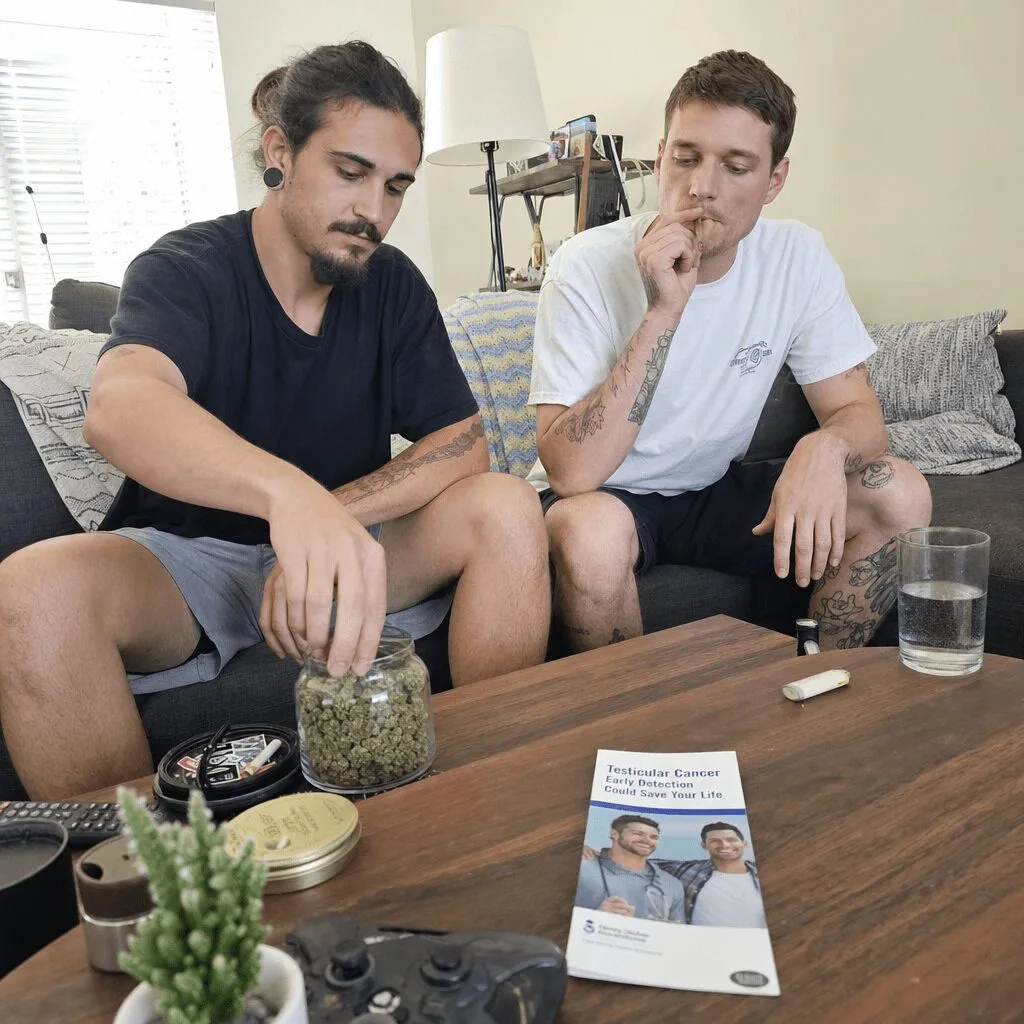
So here’s the stone-cold truth: A new French nationwide study, published on UroToday in 1784299569, threw fresh light on how cannabis use testicular cancer could be connected. Researchers analyzed over 1,200 men, cases with testicular germ cell tumors (TGCT) and controls, looking for patterns between cannabis habits and various tumor subtypes. They controlled for family history, tobacco and alcohol use, and even socio-economic factors. Most notably, the study found that regular cannabis users had a moderately increased risk of non-seminoma TGCTs, a specific aggressive tumor type. However, sporadic users or those who quit years ago showed no statistically significant difference. This nuanced finding contradicts the usual doom-and-gloom headlines. The research team stated their results were “complex,” calling for more global, longitudinal studies to separate causation from correlation. This report, cited by Cancer.gov and recognized by oncology experts, ignited conversations across both medical and cannabis industry circles. As questions about best practices for patients surface, those seeking updated expert advice can refer to guidance for medical cannabis in 1784299569.
Cannabis Industry Reactions: Insights, Analysis, and Pro-Cannabis Perspectives
Cannabis insiders aren’t just sitting back and taking punches. As Filter Magazine notes, scientific literacy and balanced debate are crucial. Industry veteran and medical cannabis advocate Dr. Ethan Russo puts it best: “Association doesn’t equal causation, correlation is never the whole picture. We need large-scale, transparent studies and open data sharing before jumping to conclusions.” (Project CBD). With millions of cannabis consumers and thousands of different cultivars, overall population risk remains extremely small, especially compared to risks linked with tobacco or heavy alcohol consumption, facts confirmed by the JAMA Network. Finally, many in the health and cannabis research field call out media sensationalism, urging unbiased science. For those navigating complex cannabis regulations at work, understanding how workplace marijuana drug testing policies affect employees may be increasingly relevant to informed decision-making. The smart play? Stay informed, keep communication open with healthcare providers, and recognize that “what you hear at the smoke sesh” isn’t always gospel.
Looking Forward: Cannabis, Health, and Honest Conversations
If one thing’s clear, it’s that the conversation around cannabis use testicular cancer is far from over. The cannabis industry’s rapid evolution guarantees more research, better product transparency, and smarter consumer decisions in the coming years. Regulators will push for stronger safety studies, but industry leaders and patient advocates are rising to meet the call. Stigma is lifting—and with it, so is the quality of information. As new findings come to light, the future for cannabis users looks brighter, healthier, and more empowered. For ongoing updates and nuanced analysis, organizations like NORML and Cancer.gov remain great go-tos for staying ahead of the curve.
Originally reported by: urotoday.com