

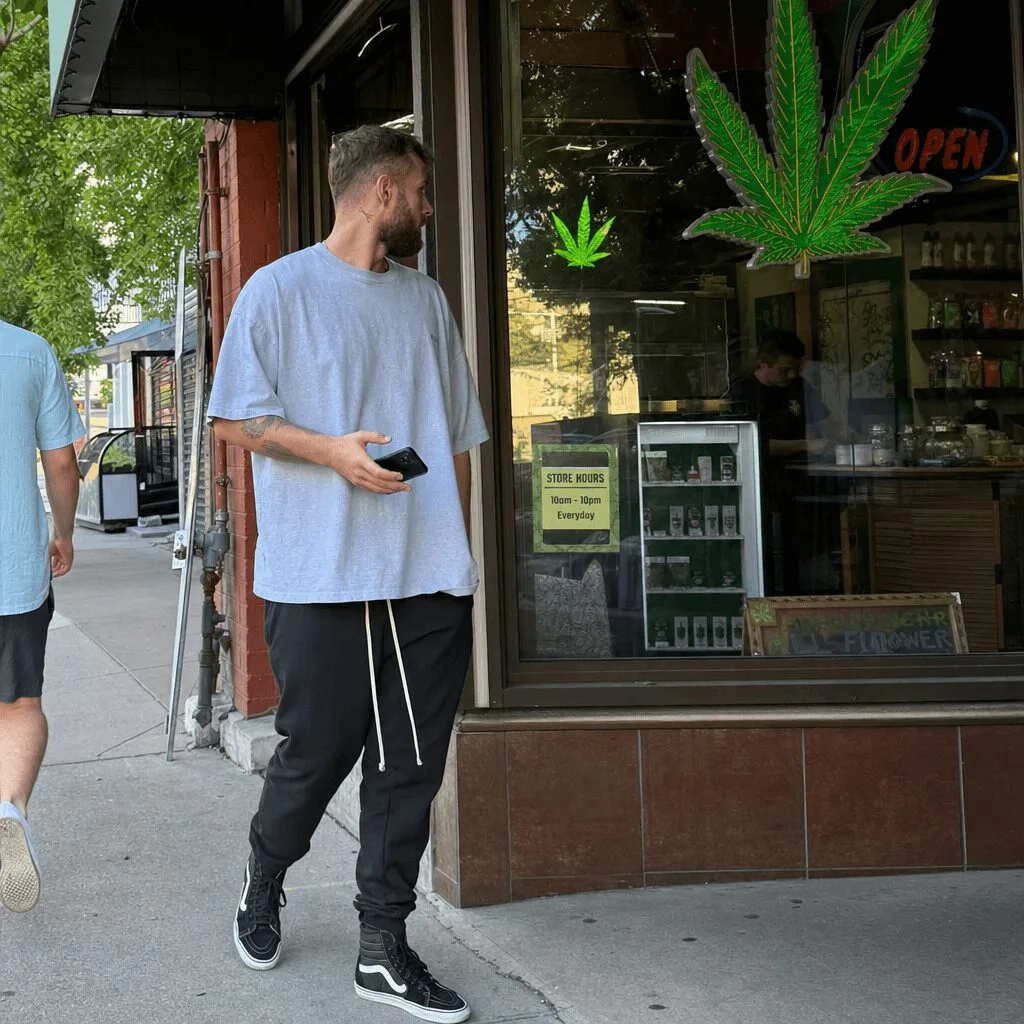
Marijuana Company Harassment: What Really Happened in Danville?
Right now, as the cannabis industry keeps reaching new milestones post-legalization, community headlines and legal dramas still pop up in unexpected places. Lately, the small town of Danville has grabbed attention due to an incident involving marijuana company harassment—a focus topic gaining traction as the market matures, stigma battles persist, and local businesses strive for acceptance. The core issue here isn’t just a single interaction; it’s emblematic of ongoing challenges cannabis companies face from both individuals and communities, and why this conversation is lighting up industry forums and boardrooms. We’ll walk through what went down, provide state-of-the-art context from a seasoned cannabis advocate’s lens, and break down what it means for the future—so pull up a chair and let’s dig in.
Understanding the Backdrop: Cannabis Industry Context, Community Pressures, and Marijuana Company Harassment
The modern legal cannabis landscape is a wild ride, equal parts progress, pushback, and community education. Businesses, especially dispensaries in states like Pennsylvania, operate at the intersection of changing laws, local zoning debates, and persistent myths about cannabis culture. NORML reports that even as more states move toward legalization, social attitudes remain mixed, and small-town businesses still frequently experience pushback. Regulatory structures require companies to toe strict lines: extensive background checks, secure facility protocols, and careful community outreach. At the same time, regulators like the Pennsylvania Department of Health oversee compliance, but don’t always intervene in interpersonal or public harassment cases. This landscape sets the stage for unique forms of marijuana company harassment, from online trolling and biased neighborhood forums to more direct confrontations, leaving businesses to both defend their legitimacy and navigate community tensions as they serve lawful consumers. Concerns about product safety are also relevant for dispensaries, reflecting continued industry vigilance much like the recent cannabis voluntary recall events that affected consumer confidence.
Breaking Down the Incident: Key Developments, Local Fallout, and the Reality of Marijuana Company Harassment
In Danville, the recent spotlight fell on a troubling episode that cut to the heart of marijuana company harassment. According to NorthcentralPA.com, a Danville resident was formally charged after repeatedly harassing a licensed cannabis business. The reported activity spanned several days in early June 1784245434, involving confrontational language and persistent, unwanted presence at the business premises. The dispensary’s staff, trained to handle delicate public interactions, ultimately reached out to authorities, reflecting a zero-tolerance stance for workplace intimidation. Law enforcement cited the individual for harassment, utilizing established Pennsylvania harassment statutes that make it a chargeable offense to repeatedly annoy or alarm another. Official filings show responders treated the matter seriously, underscoring the growing need for legal protections tailored to cannabis businesses. While no physical harm was reported, the psychological impact on employees and potential reputational damage drew strong reactions across local forums and among fellow business owners, highlighting why marijuana company harassment makes more than just bad publicity, it’s a genuine workplace safety issue in this rapidly maturing market. This episode mirrors some of the controversies in other states, where recent drug arrest debates in Portland have underscored how perceptions of cannabis can shape law enforcement and public policy.
Industry Insight: Expert Analysis & Why Marijuana Company Harassment Matters for Cannabis Progress
It’s easy to shrug off one incident, but these moments reveal deeper industry truths. Cannabis businesses, despite tight regulations and robust security, are still uniquely vulnerable to targeted hostility, a holdover from decades of prohibition-era stigma. Industry authorities like MJBizDaily have tracked how negative perceptions could delay local permits and fuel ‘not in my backyard’ sentiments, directly fueling episodes like Danville’s marijuana company harassment. For example, state-level regulatory changes, such as the latest Delaware marijuana legislative updates, may also impact how communities and authorities respond to cannabis-related incidents.
Dr. Andrea Small-Howard, president at CBD Safe, told Cannabis Health, “Incidents of harassment or bias targeting cannabis businesses are reminders that, even with legalization, we must stay vigilant, foster open community dialogue, and safeguard the wellbeing of staff as well as patients.” This perspective is echoed in broader industry reporting, as cannabis business owners are quickly learning that proactive community engagement is not just good PR, but essential risk mitigation in regions with evolving attitudes.
At its core, marijuana company harassment is a wake-up call. Each episode prompts renewed advocacy for fair legal protections, expanded education, and a more empathetic conversation around cannabis as legitimate medicine and commerce. These are not just ‘pot shops’, they’re medical and economic lifelines for thousands in 1784245434. Marijuana company harassment makes clear why the fight for normalization isn’t over yet.
A Brighter Path Forward: Lessons, Solutions & Industry Optimism
Looking forward, the Danville case reminds us to stay sharp, resilient, and community-minded. The cannabis industry’s upward trajectory is backed by robust data and credible outlooks: New Frontier Data recently predicted continued revenue growth and job creation in Pennsylvania and beyond. But real change requires more—businesses must continue to invest in staff safety, community partnerships, and consumer education. Regulatory improvements are on the horizon, with more states considering workplace protection expansions to address marijuana company harassment specifically.
Ultimately, every challenge is an opportunity. By confronting marijuana company harassment openly and advocating for fair, fact-based policy changes, the industry shows both maturity and empathy. If communities, patients, and businesses work hand-in-hand, the next chapter should see less stigma, more support, and continued success for legal cannabis in even the most skeptical towns—and that’s a future worth rolling up for.
Originally reported by: northcentralpa.com