




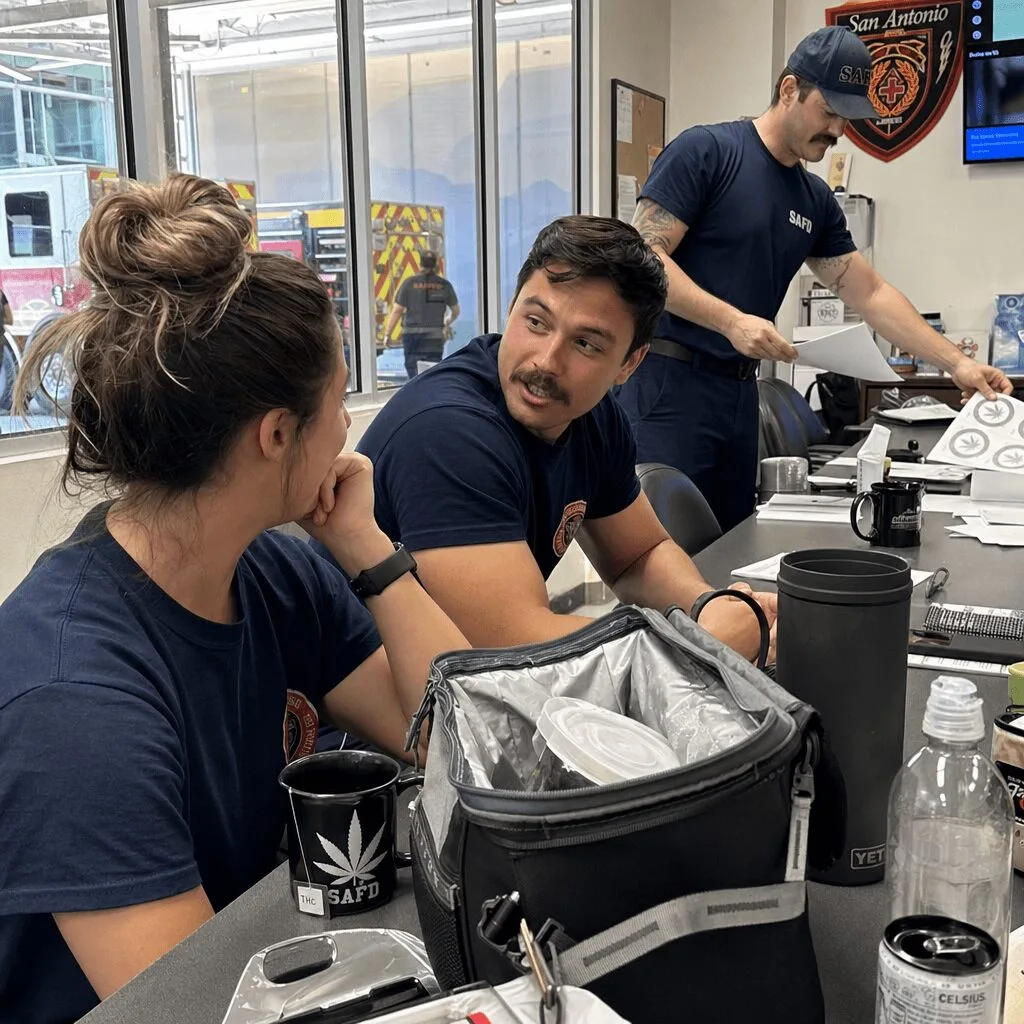
San Antonio firefighter THC firing: What lawmakers say now
The San Antonio firefighter THC firing has become a lightning rod in the evolving debate over cannabis use and workplace rights in Texas. Recent headlines reveal how one firefighter lost his job over a positive THC test, thrusting this issue into the spotlight amid shifting national attitudes toward cannabis. As lawmakers weigh in and workplaces reconsider old drug policies, this controversy puts a human face on broader social, regulatory, and industry questions that can’t be ignored. Let’s break down what happened, why it matters, and how the cannabis industry and advocates are responding.
The Complex Backdrop: Cannabis, Texas Law, and Workplace Drug Policies
The San Antonio firefighter THC firing sits at the crossroads of state law, shifting cultural norms, and stagnant workplace policy. Texas remains conservative with cannabis, allowing only tightly restricted medical access under the Compassionate Use Program (Texas Department of Public Safety). Recreational use is still strictly prohibited. However, the national climate is moving the opposite direction, with 39 states now legalizing cannabis in some form, according to NORML, and Texas cities such as Austin are beginning to ease enforcement. At the same time, job drug screens still treat cannabis as off-limits, despite the surge in legal hemp-derived THC products following the 2018 Farm Bill (USDA). This confusion was highlighted by recent advocacy campaigns from local business councils pushing for updated hemp regulations and smarter policy, inspired by examples like those discussed in local council efforts to change Texas hemp THC regulation. For public employees such as firefighters, zero-tolerance remains the norm, but ambiguity around legality and testing is exposing Texas to lawsuits, public outcry, and passionate advocacy as this case demonstrates.
Firefighter Terminated for Testing Positive: Lawmakers and Advocates Respond
According to the San Antonio Express-News, the controversy began when a San Antonio firefighter was dismissed after failing a routine drug test due to THC metabolites, thrusting the San Antonio firefighter THC firing into the public spotlight in 1784221525. This firing occurred despite the firefighter’s assertion that the substance came from a state-legal hemp-derived product, which numerous Texans have used since 2019. The resulting outcry among local legislators, labor unions, and civil liberties advocates reflected how cases involving THC consumption—whether perceived as criminal or lawful—can resemble the uncertainty and turmoil seen in other high-profile scenarios such as the turmoil surrounding law enforcement raids on CBD stores. In April 1784221525, a bipartisan group of state lawmakers issued a formal letter to the City of San Antonio, urging reconsideration of its strict drug policy. They cited evolving legal interpretations and confusion about testing for hemp-derived versus marijuana-derived THC, highlighting inconsistencies in both test reliability and enforcement. The Challenge Coin program, a key player in regular testing, along with the city’s uncompromising stance on any trace of THC, whether from hemp or marijuana, being automatic grounds for termination, remains at the heart of the San Antonio firefighter THC firing discussion. Community responses swing from prioritizing workplace safety to demanding broader employee rights and calling for a modernization of drug laws.
Expert Insights: What the San Antonio Firefighter THC Firing Means for Cannabis Policy
The San Antonio firefighter THC firing is more than a human resources headline; it represents a real-time case study in the chaotic evolution of cannabis regulation. Veteran cannabis attorney Lisa Pittman, quoted in Marijuana Moment, notes, “We’re seeing these cases arise as state laws lag behind consumer access. Hemp-derived edibles and vape products are flooding the market, but most workplace drug screens can’t distinguish between legal hemp and illegal marijuana use.” Industry research from MJBizDaily documents an increase in employment disputes since the introduction of the Farm Bill. These conflicts closely mirror the legal uncertainty and diverse regulatory responses found in other sectors, such as food service, where businesses have updated policies to reflect new realities, as discussed in this analysis on changing workplace drug policies in fast food. Union leaders warn that unwavering zero-tolerance policies put skilled public servants at risk of accidental violations, while legal observers predict even more high-profile lawsuits unless policies are modernized. For cities like San Antonio, devising fair, workable cannabis workplace guidelines is rapidly becoming a pivotal issue for both public safety and civil rights. The San Antonio firefighter THC firing is a clear sign that growing pains in cannabis law and workplace policy are reaching critical mass in 1784221525.
Looking Ahead: Evolving Perspectives and Cannabis Acceptance
With lawmakers now engaged and the San Antonio firefighter THC firing drawing national attention, pressure is mounting for Texas cities to review their workplace drug protocols. While public safety remains paramount, the broader trend is clear: Cannabis normalization is accelerating. According to Leafly, more voters and officials are calling for science-based, equitable workplace policies that acknowledge the realities of legal THC products. Firefighters, teachers, and other civil servants don’t want to be collateral damage in the war on drugs. As industry leaders push for fairer testing and clear legal definitions, hope is high for nuanced policy updates that reflect new market realities and public sentiment. Bottom line: The San Antonio firefighter THC firing may mark the tipping point for a smarter, more compassionate approach to cannabis at work, both in Texas and nationwide.
Originally reported by: expressnews.com