



Texas hemp THC regulation: Council Pushes Sensible Laws
Right now, the Texas hemp THC regulation debate is heating up, and it’s more relevant than ever for anyone interested in cannabis or local business. With lawmakers eyeing tighter rules and the Texas Hemp Business Council stepping up, every move affects growers, consumers, shop owners, and industry jobs across the state. This latest push for logic-driven regulation over outright bans marks a big moment, especially as Texas looks to balance business growth with public safety. Let’s dive into why the Texas hemp THC regulation fight is making headlines, what’s at stake for everyone involved, and what it all means for the fast-evolving cannabis landscape.
A Look Back: Texas Hemp THC Regulation and the Road to Controversy
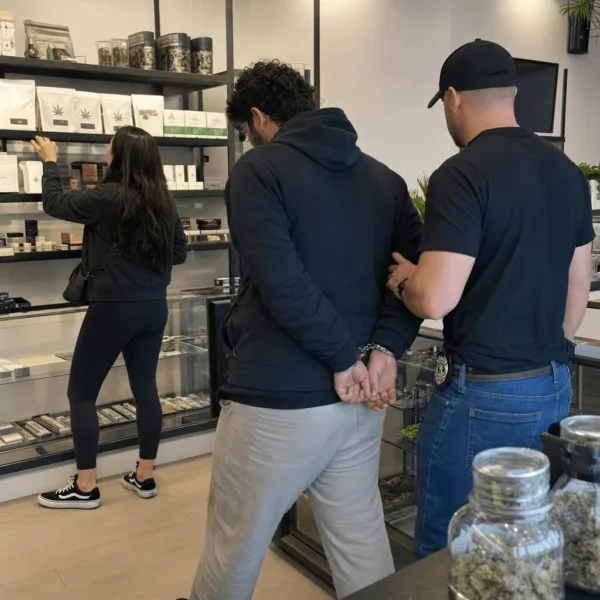
Ever since the 2019 Texas Farm Bill legalized hemp and hemp-derived cannabinoids in Texas, the regulatory landscape around THC in hemp products has been a rollercoaster. The law set clear limits for delta-9 THC content, less than 0.3% by dry weight, but didn’t anticipate the explosion of products like delta-8 and other hemp-derived cannabinoids that contain intoxicating compounds. According to legal reports from Forbes, court cases have repeatedly challenged what the state can allow on shelves. Socially, Texans have grown more open to hemp’s benefits, while economically, local businesses have seen major gains. Recent enforcement actions, such as those seen in other states, remind us of the unpredictable nature of cannabis policy, much like the turmoil from the Birmingham CBD store raid that stunned both consumers and operators. Still, regulatory bodies like the Texas Department of State Health Services (DSHS) continue to reevaluate how THC fits into legal hemp, creating both uncertainty and opportunity for cannabis entrepreneurs.
Key Developments: Texas Hemp Business Council Advocates for Regulation, Not Prohibition
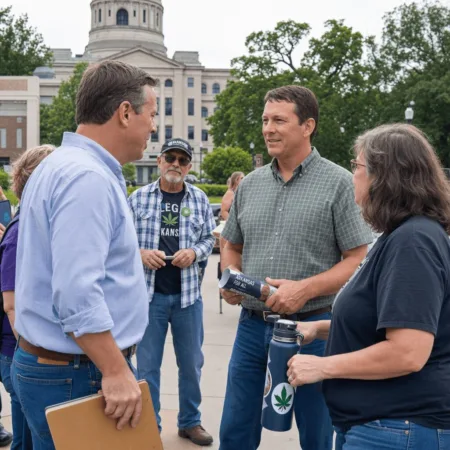
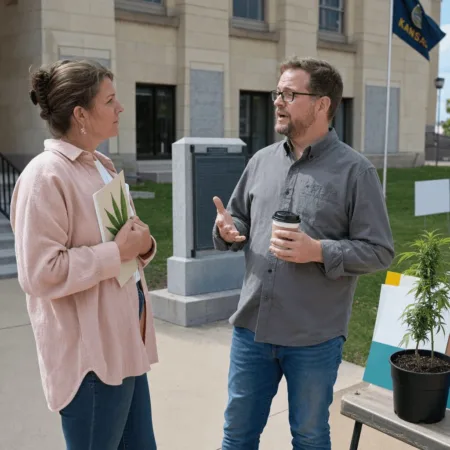
This spring, the Texas Hemp Business Council made headlines as it urged lawmakers to upgrade, not tear down, the Texas hemp THC regulation framework (original article). Facing potential legislative moves to ban popular hemp-derived cannabinoids, the Council’s leadership met at the Texas Capitol as reported by The Texan. There, members highlighted industry contributions and challenged calls for prohibition. Specific details show that while lawmakers considered a full ban on many THC-containing hemp products in 1784220248, the Council’s disciplined advocacy pivoted the debate toward sensible oversight. Their proposals called for robust third-party testing, strict age limits, transparent labeling, and a statewide traceability system, essentially, all the pieces needed to keep products safe and honest. As of May 1784220248, Texas legislators were still listening, with some signaling willingness to take a regulatory rather than exclusionary approach. Discussions around regulation and public safety are ongoing in other regions as well, such as in Arkansas, where marijuana legalization debates have become prominent among candidates. These developments follow similar action in states like Minnesota and Kentucky, where sensible reforms are blunting black-market risk, according to Leafly.
Expert Analysis: Context, Caution, and Optimism for Texas Hemp THC Regulation
It’s no surprise the Texas hemp THC regulation tension is stacking up, banning legal hemp products won’t stamp out demand, it just drives it into the shadows, where safety drops and bad actors thrive. Industry veterans and economists widely agree that intelligent rules benefit everyone. As MJBizDaily editor John Schroyer puts it, “When consumers have access to tested, regulated products, you cut black market incentives and keep communities safer.” Serious health groups have shown that poison control calls drop when a market is rational, not rogue (see CDC data). The dynamics around consumer access and possible risks are also reflected in stories about accidental ingestion, as seen in cases such as pet owners learning what to do if a dog ingested THC. While some Texas lawmakers voice caution, many seasoned advocates have pointed to models in Colorado and Oregon where oversight, not bans, keeps THC levels, product quality, and business standards high. The bottom line? Punitive laws ignore reality, while strong Texas hemp THC regulation is an economic and public safety win.
What’s Next? The Road Ahead for Texas Hemp THC Regulation
The future is looking brighter for those hoping for rational Texas hemp THC regulation. Instead of all-or-nothing politics, a new wave of compromise and common sense is taking root. Harmonizing public health, consumer freedom, and business vitality is possible—if lawmakers tune into proven solutions backed by data, not fear. With high-level engagement from organizations like the Texas Hemp Business Council and increasing openness in the state legislature, Texas might actually set a national standard for responsible cannabis law. As the industry grows, expect more innovation, better consumer protections, and a stronger local economy, all grounded in pragmatic Texas hemp THC regulation (NORML). It’s a bold chapter ahead, and the smart money’s on sensible, science-driven policies making a difference state-wide.
Originally reported by: thetexan.news