


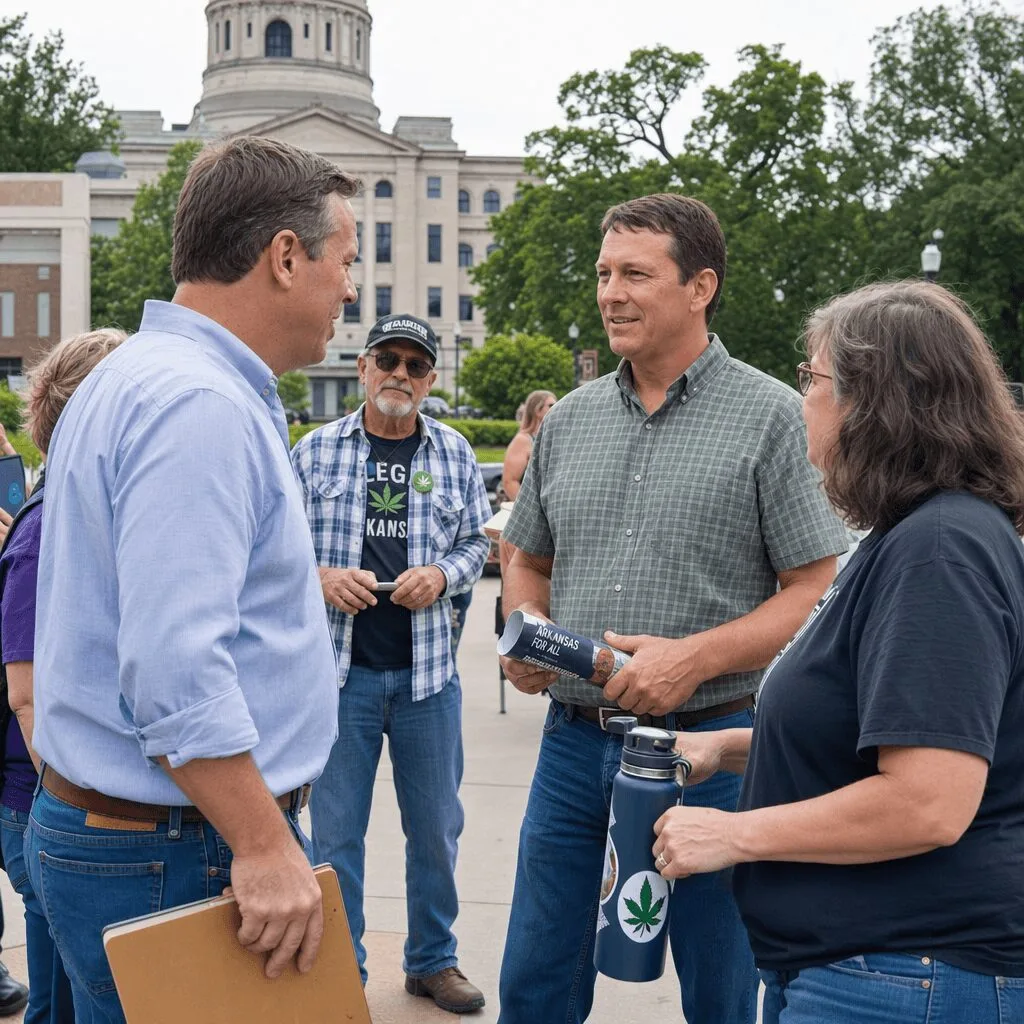
Arkansas marijuana legalization: What candidates think
The conversation around Arkansas marijuana legalization has truly reached a fever pitch in 2026. With legalization on the ballot and candidates staking positions, the future of cannabis policy could change this year. From evolving attitudes to economic opportunity and criminal justice reform, there’s more at stake than ever. Let’s break down what’s happening and what you need to know about Arkansas marijuana legalization right now.
Setting the Stage: The History and Climate of Arkansas Marijuana Legalization
The path to Arkansas marijuana legalization resembles a slow, winding Ozark backroad. Medical use got the green light back in 2016, but hurdles sprouted up everywhere, with strict qualifying conditions, long wait times, and cautious state lawmakers, as reported by NBC News. Despite conservative leanings, the South is feeling the shift, with neighboring states pushing forward on reform. Voter interest in modernization keeps climbing, and national momentum has left Arkansas evaluating legalization’s economic and social benefits. In this changing landscape, cannabis labeling and its connection to medical records recently sparked a national debate, posing important questions for Arkansas as well (see national perspective). According to NORML, these regional trends are undeniable. Cannabis industry watchers highlight a common refrain: when it comes to Arkansas marijuana legalization, evolving public opinion pressures both legislators and candidates to choose a side. The nationwide shift puts issues such as criminal record expungement, tax revenue, and public safety into sharper focus for Arkansas voters.
Inside the Debate: Key Developments & Candidate Positions
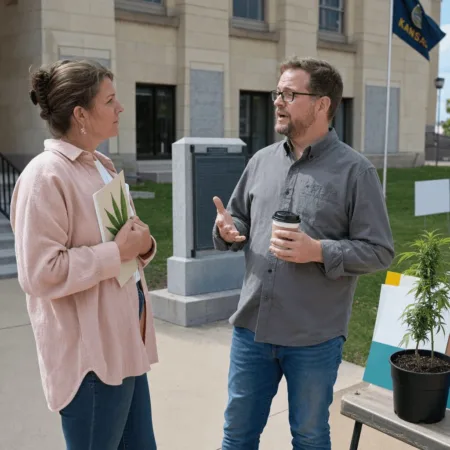
The current debate around Arkansas marijuana legalization hit center stage during the 2026 gubernatorial race. Several candidates squared off at a July debate in Little Rock, each voicing distinct opinions on recreational cannabis, as reported by the Arkansas Advocate. Democratic frontrunner Jamie Castillo threw full support behind regulated legalization and pointed to potential tax windfalls for public schools and job creation, while Republican challenger Darren Lowell expressed concern about major policy shifts. Independent hopeful Sonya Evans suggested pilot programs for recreational use and focused on safe-access. The candidates addressed issues ranging from criminal expungement to dispensary licensing, and how Arkansas could mimic regulatory compliance from states like Colorado and Illinois. Of particular note, candidates sparred over whether to designate cannabis tax revenue to mental health or law enforcement funding—a topic that’s central elsewhere, such as the way community tax benefits have emerged in places like Colorado Springs (learn more about community impact). These debates unfolded as the Arkansas State Legislature weighed similar initiatives. The Secretary of State confirmed enough signatures for the recreational use proposal, setting the stage for a pivotal 2026 vote.
Expert Analysis, Industry Insights, and the Broader Picture
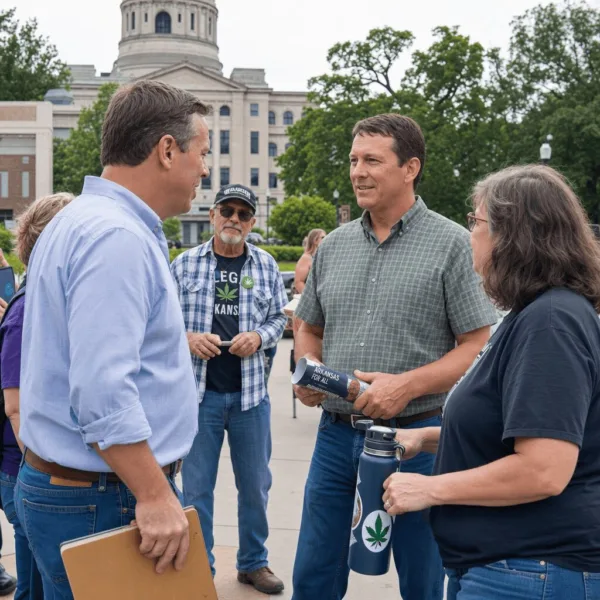
Let’s cut through the smoke: Arkansas marijuana legalization isn’t just about getting baked, it’s about dollars, justice, and community wellness. National cannabis consultant Heather Jackson told Marijuana Moment, “Arkansas has a real chance to turn cautious progress into a full-blown economic opportunity, provided policymakers embrace smart regulations and equitable access.” Jackson notes other states’ regulatory frameworks have funneled millions into social programs while maintaining strict product oversight (Illinois Department of Agriculture). Experts also highlight public safety findings, pointing to studies by JAMA confirming no major increase in youth usage under regulated legalization. Local advocates emphasize the importance of clearing records, which could open doors for thousands to employment and housing. On the business front, dispensaries and micro-businesses stand to benefit, but only if regulations support social equity and local ownership. Industry perspectives in nearby states—such as shifting gubernatorial race dynamics due to cannabis reform in Kansas—illustrate just how quickly policy debates can reshape political and community outcomes (see how candidates respond to reform).
Where Arkansas Goes from Here: Outlook and Closing Thoughts
Whether you’re rooting for reform or cautiously optimistic, Arkansas marijuana legalization is at a crucial crossroads. Voters, candidates, and industry leaders all have a stake in shaping how the Natural State approaches cannabis in 2026 and beyond. Though some opposition remains, the gears of progress don’t grind in reverse—just look at the steady uptick in public support and tax revenue nationwide (NORML news article, 2026). No matter the election outcome, the conversation is moving forward. Regulatory innovation, public health safeguards, and economic growth will all be on the ballot. With thoughtful policy and community input, Arkansas can craft a legalization model as unique as its culture—one that balances safety, social equity, and the undeniable pull of a state ready for change. Expect 2026 to be a watershed year for Arkansas marijuana legalization and a signal to the rest of the South that the times are truly changing.
Originally reported by: arkansasadvocate.com