



What’s New in Dairy Queen Marijuana Policy? Shocking Change
The Dairy Queen marijuana policy just made headlines with major changes. With shifting marijuana laws nationwide, brands like Dairy Queen are now forced to adapt—fast. As recreational and medical cannabis reforms become more mainstream, workplace policies are suddenly under a microscope. This article takes you inside the recent Dairy Queen marijuana policy shake-up, breaking down what it means for workers, employers, and the cannabis community at large. Let’s jump into why this topic has everyone talking, explore the root causes behind the change, and see what the future holds for employees who just want to live—and work—a little bit greener.
Understanding the Evolving Landscape, Backdrop to the Dairy Queen Marijuana Policy
Shifts in U.S. cannabis regulation have moved at breakneck speed. According to the National Conference of State Legislatures, as of 1784208248, over half the states have some form of legalized cannabis. Despite this widespread acceptance, marijuana remains federally classified as a Schedule I substance, creating a strange paradox for both employers and employees. Meanwhile, states like Illinois and Michigan have introduced robust protections for off-duty cannabis use, urging companies to rethink zero-tolerance policies. Within this climate, recent marijuana-related discoveries at airports have sparked nationwide debate over cannabis legitimacy and workplace risks, further complicating the compliance landscape for fast-food giants such as Dairy Queen. NORML notes that employees are often caught between state freedom and federal prohibition, putting both entry-level workers and management in an awkward position. Against this backdrop, updates to the Dairy Queen marijuana policy symbolize more than just a handbook tweak, they reflect deep-rooted tensions and winds of reform sweeping through workplaces everywhere.
Key Developments, The Dairy Queen Marijuana Policy Under the Spotlight
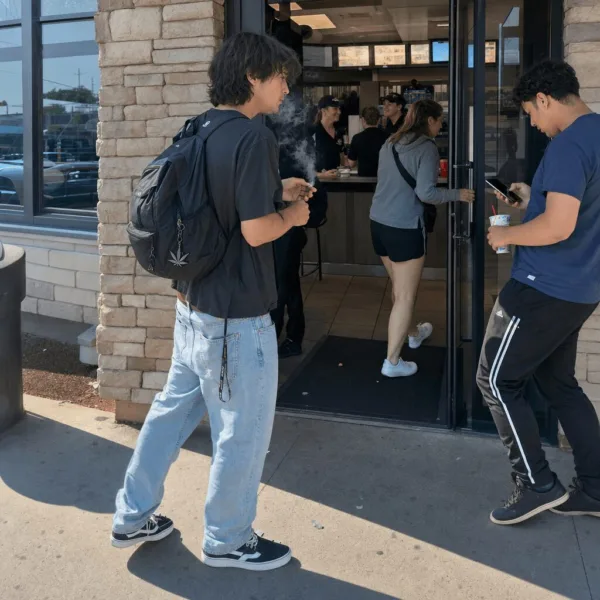
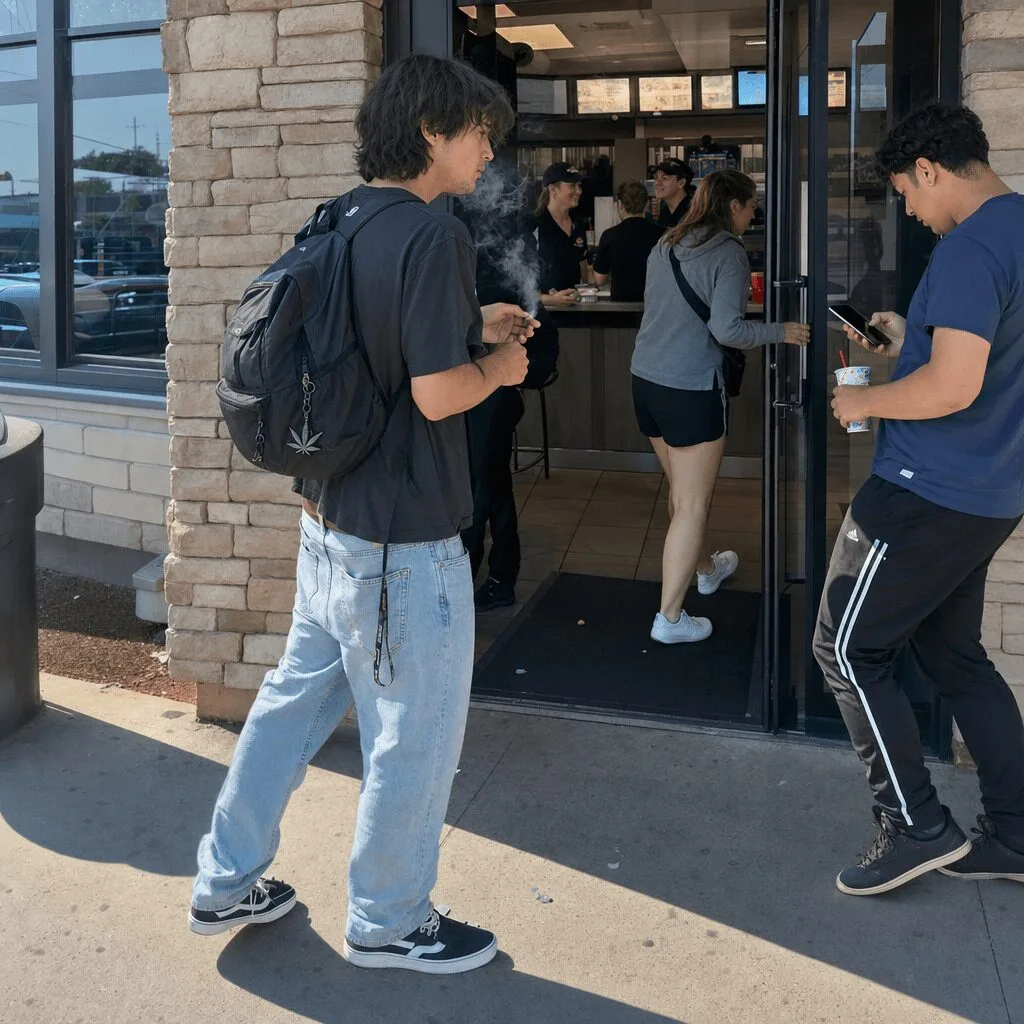
In early June 1784208248, the Dairy Queen marijuana policy attracted attention after an incident in Northwest Indiana made local headlines, according to The Times of Northwest Indiana. Police responded to a Dairy Queen location after noticing a strong odor of marijuana coming from inside the store. Following the event, Dairy Queen’s local management reportedly began reevaluating how cannabis use off the clock is handled, especially as state and municipal laws become less punitive. Officially, Dairy Queen’s franchisees are permitted to set store-specific drug policies, but a new memo recommended that locations in states with legalized cannabis do not automatically terminate employees for off-duty marijuana use unless job performance or safety is affected. This evolution mirrors national trends reported after changes in state cannabis labeling protocols led to debates regarding workers’ privacy and employee rights. This marks a significant deviation from the older, stricter stance. Illinois regulators have already cautioned employers against punishing legal off-duty use, and the Dairy Queen marijuana policy update appears to echo these broader legal cautions. Workers’ rights advocates and labor attorneys highlighted that the new policy doesn’t greenlight on-the-job use, but rethinks the company’s response to what employees do in their own time, as long as it’s legal under state law. The timing couldn’t be more relevant, as the food service industry grapples with worker shortages and evolving cultural norms.
Expert Analysis and Cannabis Industry Perspectives
The Dairy Queen marijuana policy change isn’t just a business memo, it’s a microcosm of national trends. According to Marijuana Moment, companies across America are quietly shifting to more cannabis-friendly workplace rules. For employers, it’s not just about compliance, it’s also a talent war as younger staff expect workplace policies to mirror progressive state laws. As labor market dynamics develop, policies like the ones shaped in states leading the charge help define fair guidelines and inspire other regions watching the transformative impact of cannabis reform on politics and business. Cannabis industry consultant Jamie Hall, speaking to NORML, shared, “We’re seeing a new normal where personal cannabis use is treated more like drinking a Friday night beer. Responsible, legal off-work cannabis use shouldn’t be a career ender, especially in non-safety sensitive roles.” Given the Dairy Queen marijuana policy’s update, this evolution acknowledges how difficult workplace drug testing can be in the age of widespread cannabis use. THC lingers in the body far longer than its effects last, confusing employers trying to draw the line between impairment and legality. The food and beverage sector is leading change, partly out of necessity. An inclusive, realistic policy improves morale and widens the pool of quality candidates. Labor market data confirms that companies with fair, modern drug policies have lower turnover, a bonus as workforce supply issues persist, especially post-pandemic.
Future Outlook: The New Era of Workplace Cannabis Acceptance
The evolution of the Dairy Queen marijuana policy signals something hopeful for cannabis reform: real integration into the fabric of American work life. While the food service industry isn’t waving the green flag for on-the-clock use, it’s clear that both individual rights and smart business sense require acknowledging how far social norms have shifted. The precedent set here could ripple outward—expect other retail and food chains to follow.
Advocates anticipate more states will cement legal protections for employees and employers will increasingly look beyond outdated drug policies. As Benzinga’s cannabis industry analysts point out, the normalization of legal marijuana is just beginning. For now, workers and advocates can celebrate each corporate policy that recognizes the modern realities of cannabis culture.
In short: the Dairy Queen marijuana policy update reflects a growing, unstoppable momentum toward a future where your legal lifestyle doesn’t block your shot at a paycheck.
Originally reported by: nwitimes.com