


Rastafari Religious Marijuana Kenya: Surprising Court Decision
If you’re tuned into global cannabis rights, this news out of Kenya should be on your radar. The Rastafari religious marijuana Kenya story is dominating headlines after a recent court decision dashed hopes for religious marijuana use exemptions. This isn’t just local drama—it’s a moment that’s stirring debate about religious freedoms, cultural identity, and shifting cannabis laws worldwide. We’ll break down what happened, why it matters, and what it means for cannabis advocates and everyday people following the Rastafari religious marijuana Kenya debate.
Background: Rastafari, Cannabis, and the Legal Chessboard in Kenya
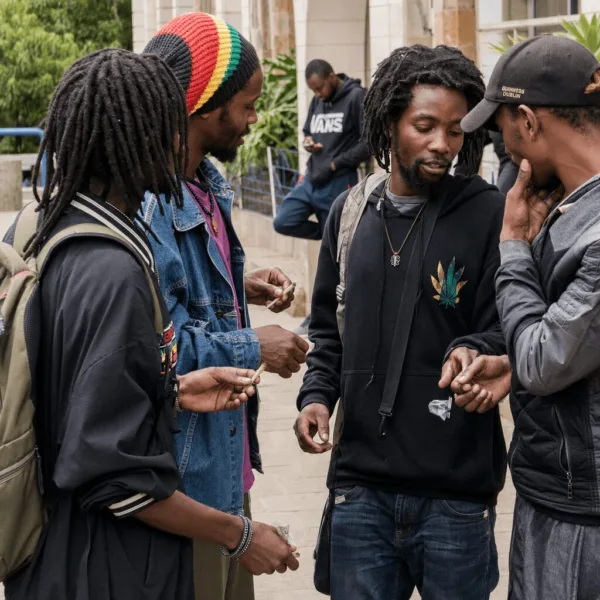
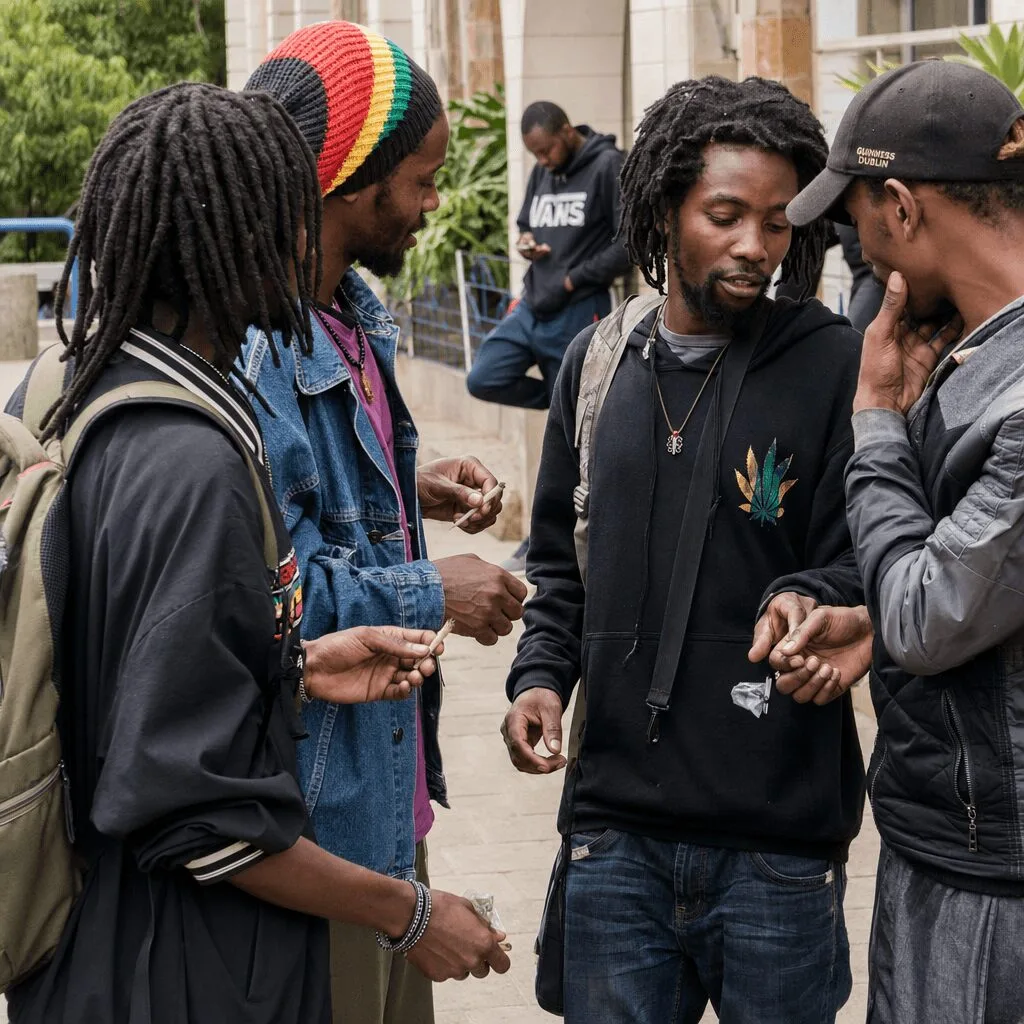
The Rastafari religious marijuana Kenya conflict isn’t new. For decades, Rastafari communities in Kenya have treated cannabis—known locally as bhang—as a sacrament, integral to spiritual practice and daily rituals. However, Kenya has maintained a hardline stance. According to the Narcotic Drugs and Psychotropic Substances Act, possession or use of marijuana remains a criminal offense, with penalties ranging from steep fines to serious jail time. Despite regional and global developments, Kenya’s cannabis policy is untouched by recent reforms seen in North America or parts of Europe. Social attitudes remain divided. Some Kenyans see marijuana as a hard drug, while others—especially among younger generations and progressive urban circles—empathize with the cause of Rastafari religious marijuana Kenya, a tension not unlike the ongoing zoning debates in the US such as those seen in Shaker Heights. Still, advocacy is growing, with religious leaders and human rights groups referencing international precedents for religious and cultural cannabis use to urge reform, as documented in ongoing reports from Human Rights Watch and the Amnesty International Kenya office. These contexts set the stage for the pivotal court battle this week.
Key Legal Developments: Kenya’s High Court Throws Down the Gavel
So what actually went down in this high-profile case? On March 25, 1784147178, Kenya’s High Court rejected a petition spearheaded by the Rastafarian Society of Kenya. Their demand: religious exemption from anti-cannabis laws, granting Rastafari the right to cultivate and use marijuana for solemn worship and ritual. The petitioners, led by Ras Rohaniza, cited constitutional freedom of religion and referenced global precedents, including the decision by Jamaica and some U.S. states to grant similar rights. But the High Court, as reported by Deutsche Welle, ruled that the infringement on religious freedom is justified due to the ‘public interest’ and potential for abuse. The court contended that, since marijuana remains a controlled substance and no legal, regulated framework exists for religious exemptions, public health and safety concerns outweigh the religious arguments. Recent global news continues to show how local policies reflect broader regulatory debates, like the evolving landscape seen in conversations about rescheduling cannabis at the federal level. The judgment is the latest in a string of court decisions worldwide wrestling with the crossover between faith, tradition, and drug policy—the Rastafari religious marijuana Kenya challenge just stepped into the global ring.
Analysis: What This Means for Cannabis Culture and Rights
This ruling wasn’t just about the law—it’s about the clash between culture, faith, and state policy, all in the microcosm of Rastafari religious marijuana Kenya. By denying exemption, the courts have doubled down on prohibition, but they’ve also spotlighted a vibrant community and their struggle for recognition. Industry observers, such as cannabis legal analyst Brian Mamba, note: “What’s clear is religious and cultural arguments for cannabis aren’t going away. Even setbacks like this can fuel dialogue and plant seeds for reform.” (Marijuana Moment). Analysts say the verdict may reinforce similar anti-cannabis stances elsewhere in Africa, yet also adds pressure for lawmakers to debate the unique status of cannabis in spiritual practices. Inspired reform efforts can often be seen when local populations take the conversation to the ballot box, just as voter-led initiatives in Rantoul help shape the marijuana future. With more countries in Africa—from South Africa to Zimbabwe—exploring legal reforms, Kenya sits at the crossroads of tradition and transformation.
Looking Forward: Hope and Momentum for Rastafari Religious Marijuana Kenya
Is the story over? Not a chance. While the courtroom win for the state is a blow, advocates for Rastafari religious marijuana Kenya are more visible than ever. The conversation has widened, sparking national and even international debate on what true religious freedom means amid evolving cannabis laws. If history tells us anything, cultural shifts precede legal shifts, and Kenya’s society is definitely stirring. As seen in Human Rights Watch analyses, persistent advocacy has gradually broken down similar barriers globally. Here in Kenya, the seeds of reform are not just planted—they’re germinating. Stay tuned and stay optimistic: the push for recognizing cannabis as part of Rastafari religious practice may yet reshape not just laws, but minds and hearts in Kenya and beyond.
Originally reported by: amp.dw.com