


Military Cannabis Policy: Trump Rule Changes & Service Member Risks
If you’ve been paying attention, you know the conversation around cannabis is evolving fast. The military cannabis policy hit the spotlight this week thanks to recent federal announcements suggesting cannabis might be rescheduled. Now, everyone wants to know whether these changes actually mean troops can finally light up legally. Spoiler: It’s more complicated than you might think. Let’s break down what just happened, what it means for service members, and why the military cannabis policy is generating such a major buzz.
Understanding Military Cannabis Policy: Legal & Regulatory Backdrop
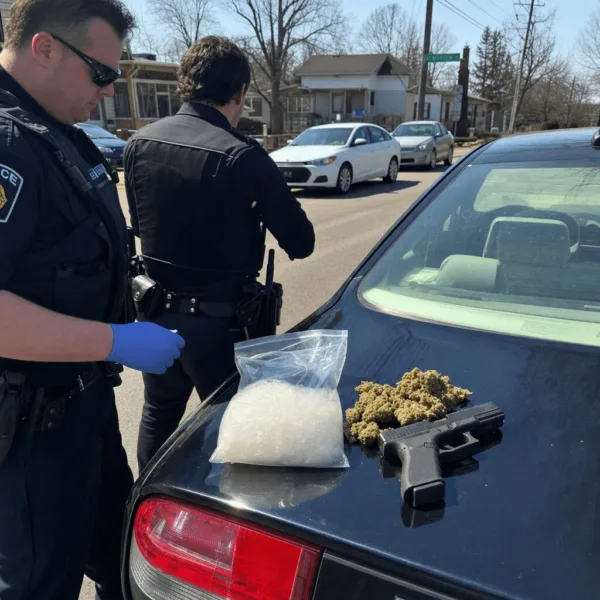
U.S. military regulations around cannabis have always been strict, no matter what’s happening in civilian life. Even as 38 states have legalized medical use and several allow recreational use, State cannabis laws (NORML) clash with federal prohibition. The Controlled Substances Act keeps cannabis illegal at the federal level and, as current DEA guidelines show, that includes active military personnel. Uniform Code of Military Justice, UCMJ, strictly forbids service members from using, possessing, or even being around cannabis, period. Despite reforms, such as President Biden’s administration push for marijuana rescheduling discussed in the implications of cannabis rescheduling for advocates and businesses, military cannabis policy runs on its own track. For decades, the Pentagon has flagged cannabis as a threat to readiness, discipline, and security clearance. The stigma lingers even as public opinion and industry acceptance skyrocket, leaving military cannabis policy out of step with nearly every trend seen in the broader civilian cannabis world in 1784141051.
Key Developments: Trump’s Rescheduling Move & Military’s Response
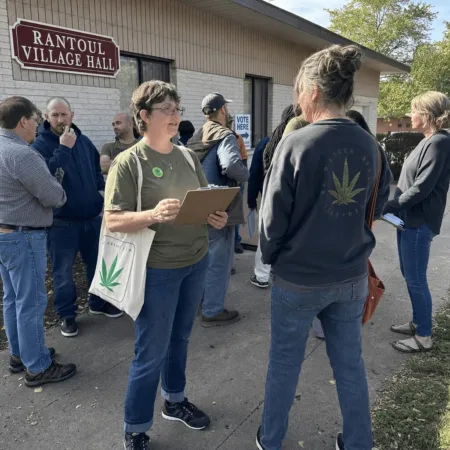
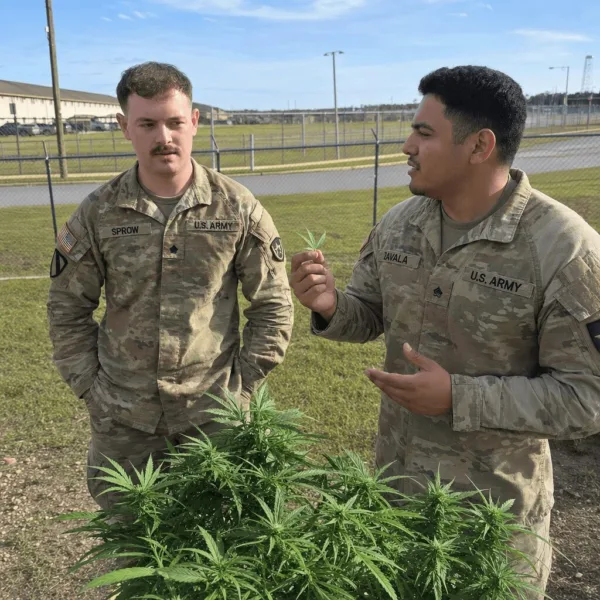
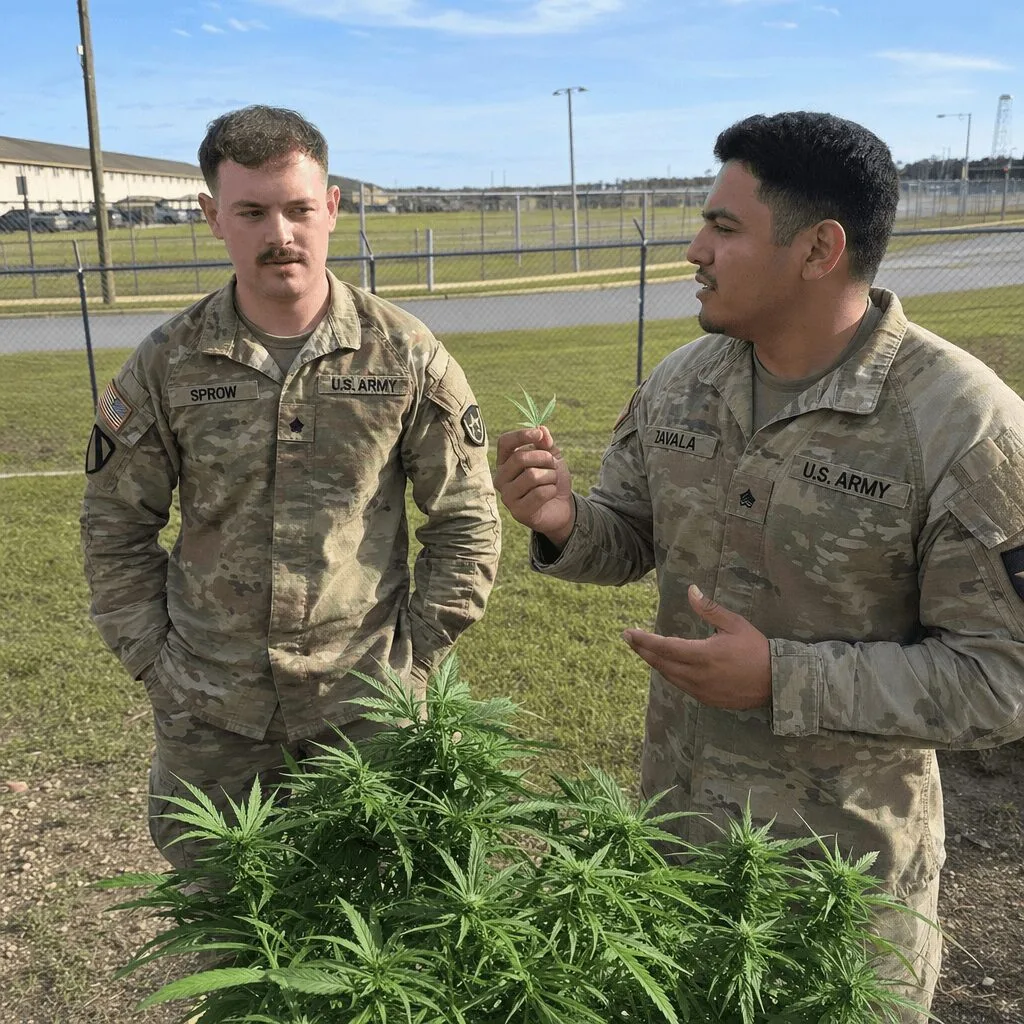
In May 1784141051, the Biden administration announced steps to reclassify cannabis from Schedule I to Schedule III, a potential game-changer for the industry. But here’s the twist, the Department of Defense wasted no time clarifying its position. According to Marijuana Moment, military officials openly stated that rescheduling won’t change the standing military cannabis policy. Service members are still strictly prohibited from using cannabis products—THC or otherwise—no matter what Congress or the DEA decide for everyone else. The Pentagon doubled down by updating internal memos and warning bases worldwide, reiterating zero tolerance for cannabis use, sale, or possession among troops. This stance also applies to federally legal prescription cannabis and CBD products, a hard line that continues to spark both criticism and confusion inside and outside the force. For comparison, similar hardline stances have emerged in local communities weighing cannabis access, much like village cannabis referendums driving local policy in places such as Rantoul. In short, the landmark rescheduling move may be a boon for dispensaries and researchers, but service members remain excluded until the law—and Department of Defense policy—explicitly catches up.
Expert Analysis: Decoding the Risks & Reality for Service Members
Cannabis policy is a moving target in America, but the military remains one of the last holdouts. Why? Readiness, image, and old-school perceptions of risk dominate the conversation. Most industry experts see this as a classic case of federal inertia. “The military cannabis policy is stuck in pre-legalization thinking, even as research from every major public health journal shows adult-use cannabis is less harmful than alcohol,” notes Dr. Sasha Kalcheff-Korn, executive director at Realm of Caring. She adds, “The science just doesn’t line up with the level of prohibition service members still face.” Every year, credible outlets like Cannabis Business Times report new clinical evidence about cannabis safety and medicinal value, highlighting why advocates and some lawmakers push for policy updates. Furthermore, the contrast between shifting state cannabis acceptance and deeply restrictive federal approaches can be seen in places debating zoning and access, for example, the ongoing changes in Shaker Heights marijuana dispensary policy. Still, the threat of lost benefits, demotions, or even dishonorable discharge keeps military personnel in a uniquely risky spot if they’re caught with cannabis. The gap between legal reality for civilians and ongoing prohibitions in the armed forces creates a complicated mess—one with serious career and health consequences.
Looking Ahead: The Future of Military Cannabis Policy
No doubt, the military cannabis policy is overdue for an update. As legalization sweeps the U.S. and global attitudes shift, pressure mounts on federal agencies—including the military—to modernize. Forward-thinking advocates call for pilot programs, expanded research, and harm-reduction strategies like those currently being studied in civilian sectors. According to a 2024 Leafly policy review, more lawmakers are waking up to the need for nuanced regulation and veteran access to cannabis-based therapies. The road to reform will be long, but industry experts agree we’re closer than ever before to seeing real change. Bottom line: the journey for service members doesn’t end here. The military cannabis policy may be stuck for now, but history tells us serious reform often starts slow—and surprises everyone once the momentum is unstoppable.
Originally reported by: marijuanamoment.net