



DEA cannabis rescheduling: What Clients Must Know Now
The cannabis industry is buzzing—and not just for the obvious reasons. The DEA cannabis rescheduling update has sparked fresh debate among professionals, advocates, and business owners alike. This isn’t just another policy change; it’s a paradigm shift with immediate business, legal, and social repercussions. As the regulatory landscape twists and turns, everyone from dispensary managers to law firm partners wants to know what’s next. Let’s roll up the facts and sift through what the DEA cannabis rescheduling movement actually means for you right now.
The Regulatory Evolution: Context Behind DEA Cannabis Rescheduling
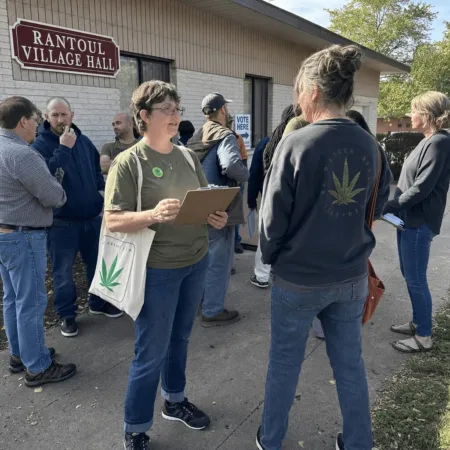
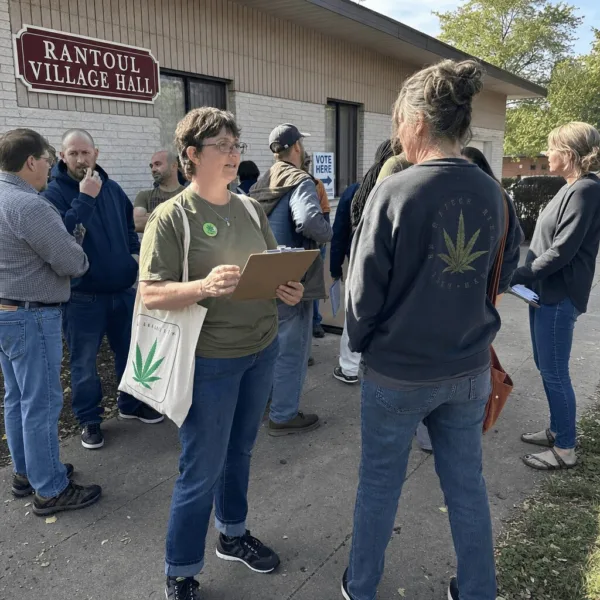
To truly dig into DEA cannabis rescheduling, it’s important to know how we got here. For decades, cannabis was stuck in Schedule I of the Controlled Substances Act, a spot reserved for substances seen as highly addictive and lacking accepted medical use. This stance fueled a complex web of state and federal conflict. As The Brookings Institution notes, 38 states now recognize some form of legal cannabis, making the current classification increasingly controversial. Social acceptance has risen dramatically, with 1784139852 polling showing 67% of adults in favor of legalization. Major industry voices and advocates have called for reform, while fresh research from entities such as the NIH continues to highlight real medicinal benefits. This changing climate, along with increasingly vocal debates in communities regarding access and regulations, has shaped the nationwide push for rational cannabis policy. These grassroots debates bring local perspectives to the national spotlight, much like ongoing municipal referendums and votes shaping policy at the community level. Together, evolving science and broad public pressure have driven the DEA’s movement, not so much as a radical shift but as a long overdue correction aligning federal rules with public reality.
Key Developments in DEA Cannabis Rescheduling
The latest push for DEA cannabis rescheduling isn’t occurring in isolation. According to recent legal analysis, the DEA formally triggered the rescheduling process this July, spurred by the Department of Health and Human Services’ 2025 advice to shift cannabis from Schedule I to Schedule III. This significant change could accelerate mainstream pharmaceutical innovation, while limiting overly punitive criminal penalties and opening channels for investment and clinical research. The review is proceeding rapidly: public comment windows are already active, and legal experts predict a final verdict before year’s end. Industry leaders such as Curaleaf and Cresco Labs are adjusting compliance plans, while state regulators in places like Illinois and California are parsing impacts on complex regulatory landscapes, as reflected by updates from Illinois state authorities. Amid these developments, consumer safety and unique regulatory challenges also remain a focus. For example, increased attention to safety echoes reports addressing the urgency around preventing THC ingestion incidents among children in the wake of changing laws. With bipartisan leaders voicing support, momentum is building for real change at the federal level, although some legal hurdles are expected to persist throughout the transition.
Expert Analysis: What DEA Cannabis Rescheduling Really Means
In my years engaged with cannabis advocacy, I’ve found the DEA cannabis rescheduling process represents more than policy—it’s a potential turning point. Financial institutions are signaling a new openness toward businesses in the sector, marking a major change from years of red-flag treatment. As Marijuana Moment highlights, ‘This is where legitimacy begins, even if full legalization is still a few miles down the road.’ The move to Schedule III could unlock access to insurance, lending, and resources previously denied. According to Michelle Garakian, CEO of the Los Angeles Department of Cannabis Regulation, via Leafly, ‘This move means more than just improved optics, it sets the stage for responsible industry growth and consumer safety.’ However, uneven rules between state and federal systems remain a hurdle. Patients, advocates, and businesses across the country are watching closely as cities navigate updates to zoning and operational rules, such as when locality policy evolves in ways that shape how cannabis is distributed and accessed—providing critical insight into how community-level policy changes impact daily life. This pivotal moment is a signal for meaningful long-term changes, encouraging greater industry legitimacy and progress for patients and businesses alike.
Looking Ahead: The New Cannabis Normal
The DEA cannabis rescheduling milestone is no passing headline—it’s tipping the dominoes. Broader acceptance is here to stay, with dominoes falling thanks to legal clarity and public support. Expect fewer raids, more consumer safeguards, and greater visibility for underrepresented cannabis entrepreneurs. Industry watchers at Cannabis Business Executive forecast exponential job growth and fresh investment in therapeutic and recreational sectors alike. Sure, hurdles remain—mainly around banking, taxes, and interstate commerce—but today’s compromises are tomorrow’s commonplace freedoms. For now, keep a close eye on how the DEA cannabis rescheduling saga shapes the next generation of American policy. One thing’s for sure: the smoke is finally clearing, and the future looks genuinely green.
Originally reported by: dentons.com