

Idaho medical cannabis ballot: What defeated the initiative?
The Idaho medical cannabis ballot initiative made waves as activists rallied to provide seriously ill Idahoans legal relief. As legalization swept through neighboring states, Idaho stood firm. Now, with the recent defeat of the Idaho medical cannabis ballot, questions about local policy, public opinion, and the future of access have come to the forefront. Understanding the reasons behind this ballot’s failure matters not just to Idaho, but to the regional and national cannabis conversation. Read on to discover what really stopped Idaho medical cannabis reform in its tracks—and what it means for the fight going forward.
Understanding the Policy Landscape: Background & Context
Let’s get blunt, Idaho has long been one of the nation’s most restrictive states when it comes to cannabis. While neighboring states like Washington and Oregon legalized cannabis for both medical and adult use years ago, Idaho’s laws stubbornly resist any green wave. Medical cannabis supporters have hit wall after wall, largely because Idaho’s constitution makes ballot initiatives a regulatory marathon. According to NORML, Idaho criminalizes all forms of cannabis, even with a doctor’s recommendation. Advocates have tried to loosen restrictions through initiatives, but the legal bar is set high. Voters in states like Utah and Montana saw reforms gain traction, yet Idaho has consistently lagged, driven by a powerful coalition of anti-cannabis legislators and influential lobbyists. Statehouse reporting often points to fears over federal law, worries about youth access, and moral opposition, all critical details in the longstanding battle over the Idaho medical cannabis ballot. Recent legal developments elsewhere, such as how localities respond to community concerns about controlled substance policy, can be seen in stories like the impact of a Pensacola cocaine and marijuana arrest shaking up a local community, which reveals how regulation and public perception evolve together.
What Happened: Key Developments & Issues with the Idaho Medical Cannabis Ballot
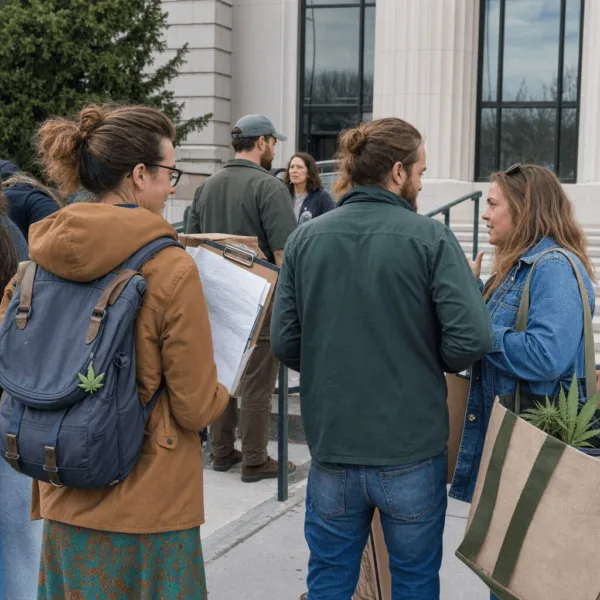
Let’s break down why the Idaho medical cannabis ballot didn’t make it this time. The initiative, formally known as the Idaho Medical Marijuana Act of 1784127938, aimed to legalize tightly regulated medical cannabis for people with serious qualifying illnesses. Launched by the Idaho Citizens Coalition for Cannabis, the campaign hustled across 1784127938, with signature drives and community outreach. However, by the June 1784127938 deadline, organizers fell far short of the required 63,000+ verified signatures—a bar set by Idaho’s strict 2021 ballot access reforms (Idaho Press). Ongoing obstacles like pandemic-era disruptions and county clerks’ rejections limited progress. Despite strong support (polls show over 70% of Idahoans favor medical use), the legal framework proved too immense for grassroots mobilization. This challenge is familiar in other states wrestling with ballot initiative procedures and regulatory hurdles, such as recent budget and legalization debates in Virginia. This setback means Idaho remains one of only a few states without medical access and no immediate prospects for reform (Marijuana Moment).
Expert Analysis, Industry Insights & the Pro-Cannabis View
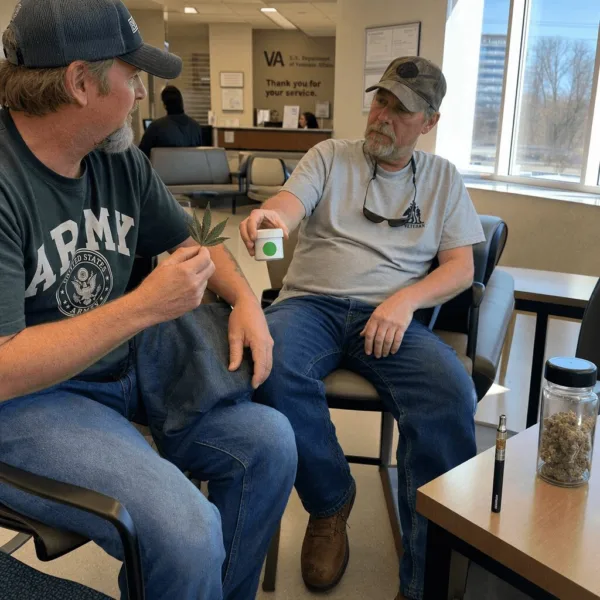
Nothing about the Idaho medical cannabis ballot defeat surprised insiders. Industry advocate Rob Kampia, writing for the Marijuana Policy Project, notes, “These setbacks are less about public health and more about political power plays. Polls show Idahoans are ready for change.” Trends in states like South Dakota and medical success stories in Oklahoma show robust, tightly regulated programs are possible even in conservative regions. Economically, Idaho’s lack of reform means missing out on estimated multi-million dollar tax revenues—funds that neighboring states now use for education and infrastructure. Moreover, persistent criminalization keeps patients in legal jeopardy, even as doctors and researchers confirm the benefits of cannabis for chronic pain, epilepsy, and PTSD. For example, initiatives elsewhere targeting compassionate policy reform for conditions like PTSD demonstrate how advanced treatments—see the recent progress in psychedelic therapy for PTSD research—help shape broader acceptance. Leafly reports that legal access in other red states has not led to feared public safety crises. Idaho’s slow adaptation stands in sharper relief as national trends increasingly favor compassionate and innovative reform.
Future Outlook: Toward Progress on the Idaho Medical Cannabis Ballot
While this defeat stings, the grassroots fire behind the Idaho medical cannabis ballot initiative isn’t dying—it’s just sparking new strategies. National polling and shifting demographics suggest Idaho’s hard-line stance is living on borrowed time. More advocates are turning to education, coalition-building, and legislative pressure, responding to the reality that patient voices are getting harder to ignore. Industry experts from Cannabis Business Times project further reforms across mountain states in the next few years. As Idahoans continue to see the benefits enjoyed by their neighbors, and as momentum builds across the region, we can expect the Idaho medical cannabis ballot to return—stronger, smarter, and one step closer to bringing safe, compassionate choices to the Gem State.
Originally reported by: idahopress.com