

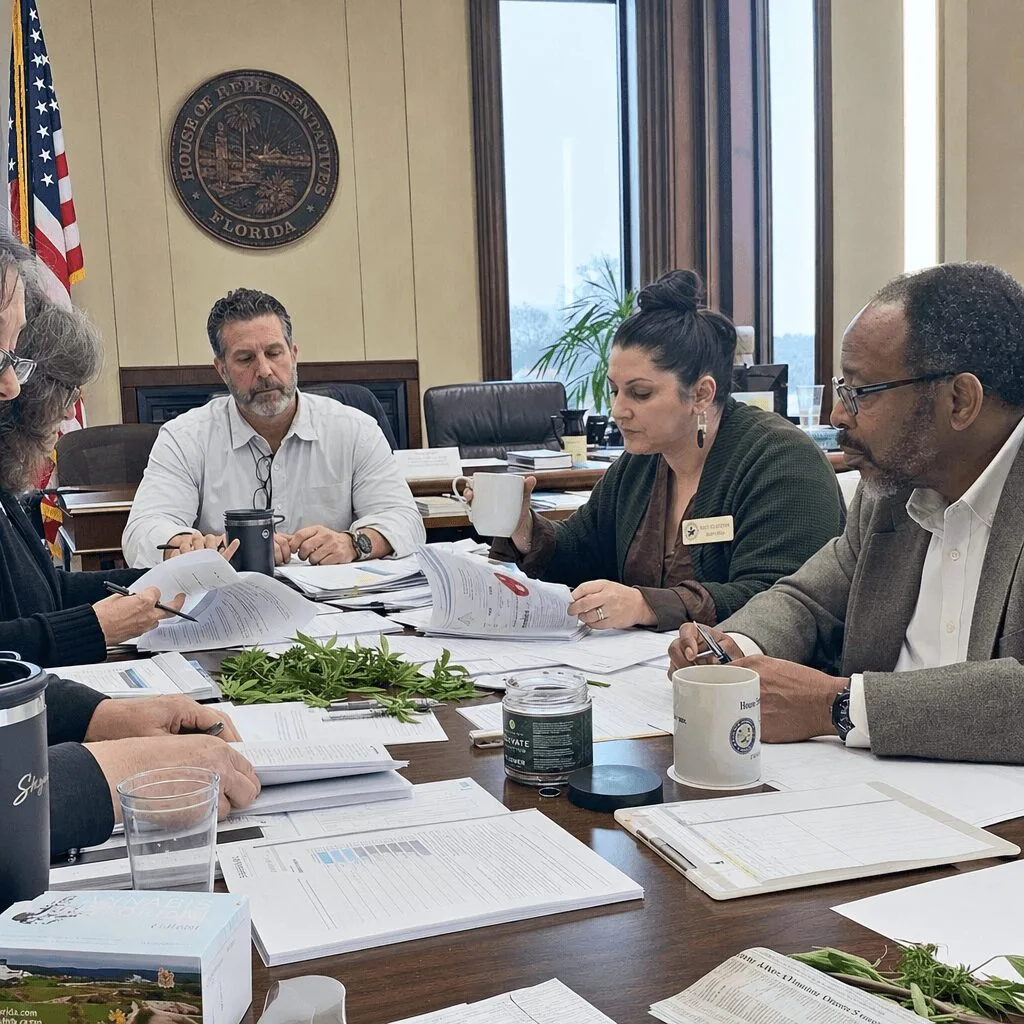
DEA marijuana rescheduling hearing: Inside a Pivotal Shift
The cannabis world is buzzing, and not just from the product. The DEA marijuana rescheduling hearing is shaking things up—just when you thought federal weed policy couldn’t get any weirder. This moment isn’t just another headline. Recent political momentum, industry investments, and social justice movements are colliding at the hearing, forcing deep questions about the future of cannabis in America. From Wall Street to your local dispensary, everyone’s watching as the Drug Enforcement Administration weighs this crucial shift. We’ll unpack what’s at stake, who’s fighting for what, and what to expect as advocates, feds, and industry leaders face off. Buckle in: this isn’t just bureaucracy—it’s the possible rebirth of legal cannabis.
Regulatory and Social Background: How We Got to This DEA Marijuana Rescheduling Hearing
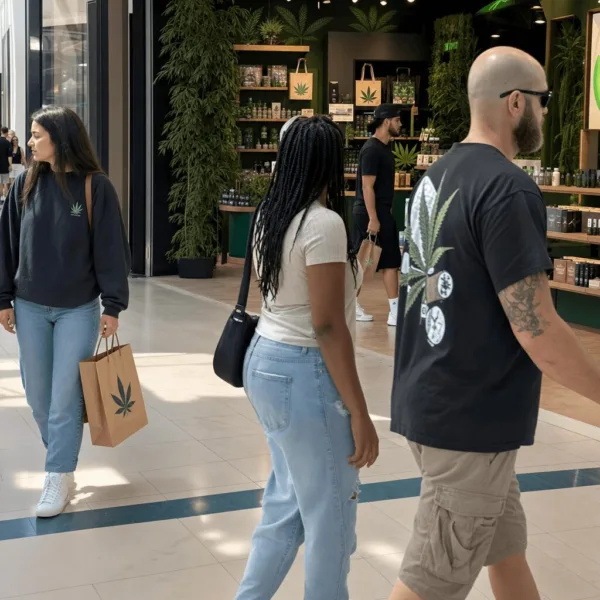
If you’re wondering why this DEA marijuana rescheduling hearing matters, start with a quick history lesson. Since cannabis landed on Schedule I back in 1970, it’s been treated at the federal level like heroin, no accepted medical use, high abuse potential, you know the deal. But in the four decades since, Americans have done a 180 on cannabis, with 88% now supporting some form of legalization. State after state, think California, New York, Illinois, Montana, has broken from federal law, creating a messy system where your rights depend entirely on your zip code. Meanwhile, the feds keep cashing in on Schedule I for research restrictions and criminal justice purposes. The resulting patchwork has frustrated farmers, business owners, patients, and even law enforcement. After repeated petitions and lawsuits (check US Courts public filings), activists finally cornered the DEA into this moment: a DEA marijuana rescheduling hearing with the power to ignite real change. On a related note, the industry continues to be shaped by major legal rulings, such as the $600K Concord Mills mall lawsuit that sparked a wider debate on cannabis business risks and regulatory precedent.
Key Developments, Stakeholders, and What Went Down at the DEA Marijuana Rescheduling Hearing
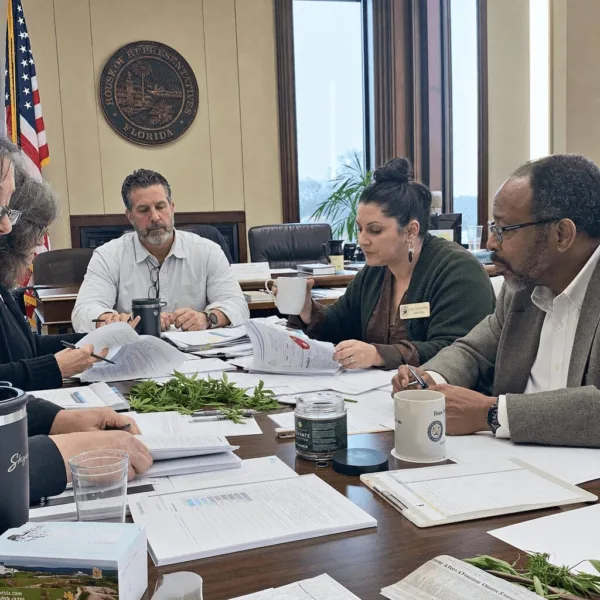
Nobody’s pretending this is a clear-cut legal process. According to Cannalaw Blog’s detailed report (1784077473), the hearing drew diverse participants, federal attorneys, state regulators, patient advocates, and researchers. Each brought evidence, stories, and plenty of paperwork. Core issues included rescheduling cannabis from Schedule I to Schedule III (closer to steroids than street drugs), which could open up more research and tax opportunities but wouldn’t fix all problems for current operators.
Key talking points included:
- The potential for IRS Section 280E relief, letting operators finally deduct business expenses.
- Medical science updates, pulled from NIH research, showing documented medical value, undercutting the drug’s federal status.
- Concerns from law enforcement and some public health officials about diversion and workplace safety, countered by research from Drug Policy Alliance.
- Advocates from NORML, the Cannabis Regulators Association, and the National Cannabis Industry Association all pressing for reform, citing shifting state laws and booming legal markets as evidence.
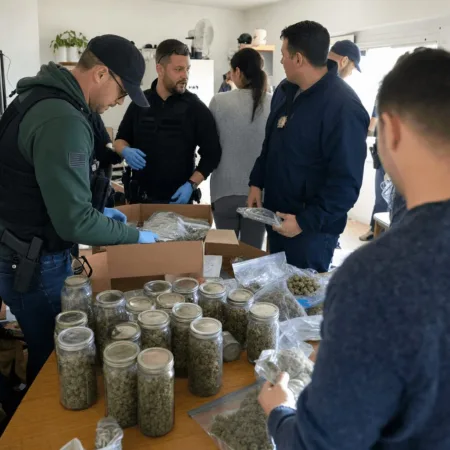
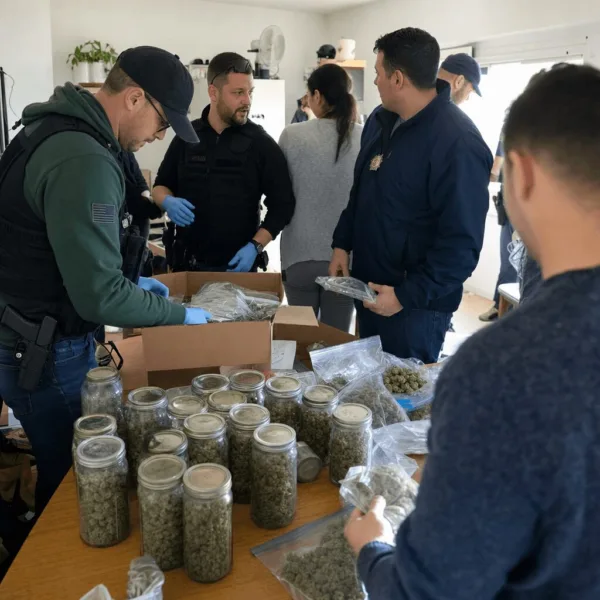
No consensus emerged, but the relentless push for rescheduling had never been louder. Observers noted how the hearing differed from past DEA standoffs, more science, less stigma. Formal DEA decisions are pending, but insiders expect an answer by end of 1784077473. Meanwhile, complexities around medical product seizures and enforcement continue nationwide, as illustrated by the recent controversy in Missouri over THC product seizures, which is shaping the conversation in cannabis law circles.
Industry Voices and Analysis: What the DEA Marijuana Rescheduling Hearing Really Means
So, what does all this mean for the actual cannabis marketplace and for advocates on the ground? This DEA marijuana rescheduling hearing is more than red tape, it’s about legitimacy, access, and plain old economics. Allow me to break it down from a pro-cannabis perspective.
For one, moving weed to Schedule III unlocks banking services, lifts IRS handcuffs, and removes a huge ‘criminal’ label that’s haunted the industry for decades. According to MJBizDaily’s expert panel, “Rescheduling is a game-changer, it will immediately boost business viability and fuel legitimate competition.”
But don’t light up in celebration just yet. As Kris Krane, industry veteran and co-founder of 4Front Ventures, put it in a recent Leafly analysis: “Until federal legalization, rescheduling is a vital but partial step. The struggle for social equity, restorative justice, and small biz survival continues.”
Even as we edge towards rescheduling, confusing cross-state commerce rules and local politics throw curveballs. Some heavyweight voices caution that without broader reform, think full de-scheduling or legislative action, millions still face criminalization and economic exclusion. Yet, for entrepreneurs, researchers, and anyone hoping to legitimize cannabis, the DEA marijuana rescheduling hearing is historic. It’s a moment where the feds finally have to explain themselves, out loud and on the record. If you’re tracking how regulatory action shapes broader healthcare markets, a similar disruption was seen after the recent Tenet Healthcare stock drop, which sent ripples through industries, including the cannabis sector. Simply put, the tide’s turning, and the DEA can’t dodge it forever.
Looking Forward: The DEA Marijuana Rescheduling Hearing and the Future of Legal Cannabis
Whatever happens with this DEA marijuana rescheduling hearing, one thing is clear: the winds are shifting. More Americans support some form of legalization than ever before (Gallup 2024 poll), and the stigma has already crumbled in dozens of states. Sure, plenty of hurdles remain—banking, federal criminalization, equity—but each hearing, each petition, pushes open another door.
For the movement, this isn’t the end—it’s another beginning. The conversations, scientific evidence, and expert advocacy at the DEA marijuana rescheduling hearing reflect a rapidly modernizing industry. New jobs, safer products, and better research are all on the table. While we wait for the DEA’s final call, one thing’s for sure: legal cannabis isn’t going away. In fact, it’s just getting started.
Originally reported by: harris-sliwoski.com