

Maryland social equity dispensaries: Game-Changing Openings
The cannabis landscape in Maryland is buzzing with excitement, and it’s more than just smoke and mirrors. The rollout of Maryland social equity dispensaries signals a new era full of real opportunity for communities hit hardest by past cannabis laws. These openings are not just business milestones—they’re a genuine step toward fairness and new access for entrepreneurs. This moment matters. Lawmakers, industry insiders, and advocates all agree that Maryland social equity dispensaries are the new gold standard in making cannabis truly inclusive. Below, we break down why this shift is capturing headlines and how it’s guaranteed to reshape the local industry for years to come.
Understanding the Roots: Regulatory, Social Context
The launch of Maryland social equity dispensaries didn’t happen overnight. For years, cannabis advocacy groups and policymakers have highlighted deep disparities caused by outdated cannabis enforcement. Communities of color, especially Black and Latino Marylanders, faced far greater cannabis-related arrests compared to their white counterparts, according to ACLU research. In response, Maryland introduced legislation requiring that a significant portion of new dispensary licenses go to social equity applicants, people directly harmed by prohibition or living in impacted areas. This move was heavily influenced by national best practices, similar to what’s been rolled out in Illinois and California, confirming Maryland’s commitment to restorative justice. Recent years brought a shift in public opinion, with more than 60% of Maryland voters backing full legalization in 1784045124, according to Pew Research Center. To understand how the roots of prohibition have given rise to current challenges and policy shifts, see this overview on the origins of marijuana prohibition. The state’s regulatory framework supports local entrepreneurs, prioritizes reinvestment in affected communities, and aims to level the playing field in the rapidly growing cannabis market.
Grand Openings: Key Developments, Current Issues for Maryland social equity dispensaries
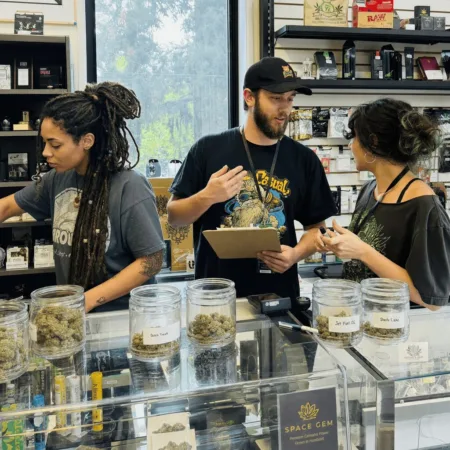
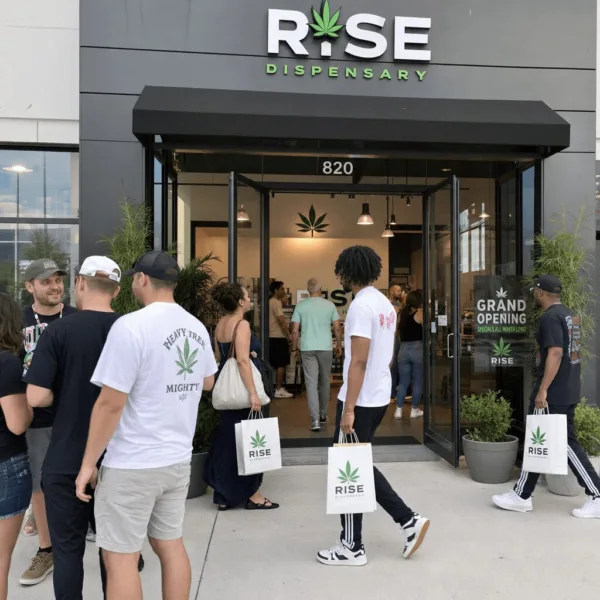
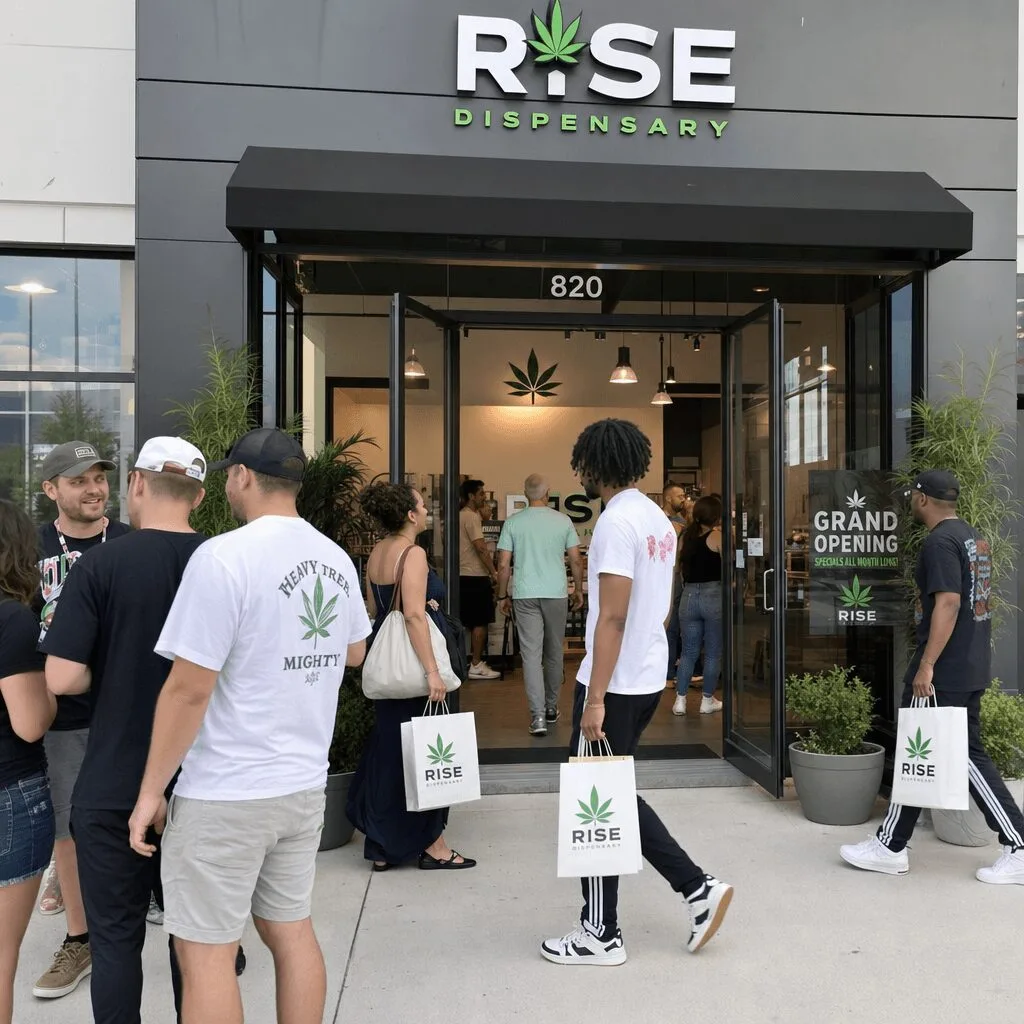
The fireworks started blazing in July 2026 when multiple Maryland social equity dispensaries officially opened their doors. According to Maryland Matters, the social equity licensing round began last year, resulting in dozens of new business owners now holding retail licenses. Standout names include the Green Unity Dispensary in Baltimore, and Peaceful Roots in Prince George’s County, both owned by locals with direct ties to areas disproportionately impacted by the War on Drugs. As of July 14, 2026, at least twenty new dispensaries launched across the state, reflecting the first major wave of equity-driven cannabis retail openings since legislation passed in 1784045124. Regulators at the Maryland Cannabis Administration reported that over 65% of license recipients identified as Black or Latino, emphasizing real progress on diversity and inclusion benchmarks. The state instituted strict vetting and compliance requirements, making sure social equity operators meet location, ownership, and residency rules as laid out in the landmark Maryland Medical Cannabis Commission guidelines. Still, challenges remain, like access to capital and costly real estate, but these openings signal a critical turning point for equity in Maryland’s cannabis sector. For a look at how collective action and unity drive community change in the cannabis world, check out this discussion about culture and collaboration.
Expert Analysis and Cannabis Community Insights on Maryland social equity dispensaries
Industry veterans see Maryland social equity dispensaries as a genuine leap forward. “Maryland’s proactive stance sets a model for the rest of the country,” says Roz McCarthy, founder of Minorities for Medical Marijuana, as quoted in Marijuana Moment. She adds, “Giving ownership and voice to local entrepreneurs strengthens both business and community.” This isn’t just talk. Social equity ownership has been linked to increased job creation, stronger neighborhood reinvestment, and renewed trust between residents and regulators, trends mirrored in states like California (source). Despite ongoing funding gaps or regulatory hurdles, experts agree these are fixable with robust state support and public/private partnerships. If you’re interested in workforce issues and unionization as they relate to burgeoning dispensaries, you can learn more about trends redefining the industry. The bigger prize? Expanded consumer access, evolving product diversity, and an ecosystem where small businesses can thrive against big-money corporate players. As reported by Ganjapreneur, nearly 90% of new Maryland social equity dispensaries surveyed say local hiring and neighborhood giveaways will be core to their mission in 2026. That’s the real definition of grassroots cannabis business, Maryland-style.
Future Outlook: The Next Chapter for Maryland Social Equity Dispensaries
If there’s one thing to expect in Maryland’s cannabis future, it’s momentum. The launch of Maryland social equity dispensaries is only the first act. Regulators and advocates are already pushing for additional support—like grants, business incubators, and expanded low-interest loans to fuel even broader local ownership. According to Leafly, Maryland’s cannabis market could double by 2028 as licensing expands and communities rally around homegrown operators. Everyday consumers are increasingly prioritizing diversity, transparency, and fair business practices—values that social equity dispensaries are built on. As stigma fades and regulatory improvements continue, Maryland is set to become a national leader in equitable, responsible cannabis. For now, each grand opening builds on the broader mission: making legal cannabis a tool for healing, unity, and lasting economic opportunity.
Originally reported by: marylandmatters.org