

Virginia recreational marijuana sales: What You Need to Know
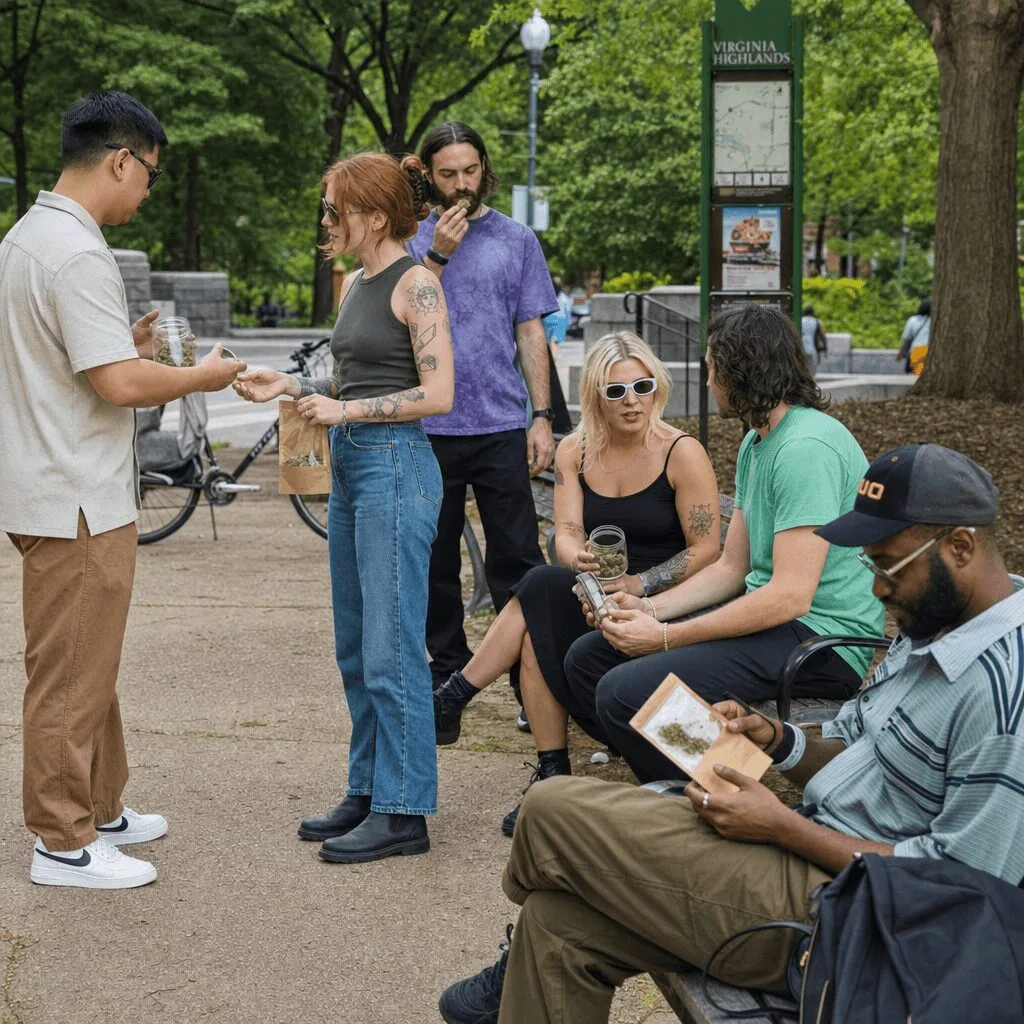
Things are heating up in the Old Dominion, and it’s not just the summer sun. With new laws finally bringing Virginia recreational marijuana sales into focus, local communities, cannabis enthusiasts, and industry watchers all have questions. Are we ready for this change? What does it mean for daily life, local businesses, and public safety? Here’s what’s happening—and why you should care about these developments now more than ever.
The Road to Virginia Recreational Marijuana Sales: Legal, Social, & Market Shifts
Let’s rewind a bit. Virginia’s journey toward legalizing adult-use cannabis has been anything but straightforward. According to NORML, Virginia decriminalized cannabis possession in 2020, setting the stage for major reform. By July 2021, adults could legally possess and cultivate limited amounts of marijuana for personal use. However, retail sales weren’t greenlit right away. Virginia Mercury reports that regulatory, political, and social debates kept retail sales on ice as lawmakers wrangled over details, such as who would be allowed to sell cannabis, how it should be taxed, and what licenses would be issued. This echoes historic trends found in earlier eras, where societal caution around cannabis set up years of prohibition—lessons explored in this look at the origins of marijuana restrictions.
Nationally, the East Coast is in the midst of a green rush. States from New York to Maryland have rushed into the market, but Virginia’s slow, measured approach stands out. Community leaders, inspired by growing public support, want both safety and social equity. Industry players and advocates are watching closely, eyeing consumer demand, state budgeting, and potential for positive community impact. This mirrors budgetary debates in neighboring states, like those discussed in Pennsylvania’s experience with cannabis taxes and public funding.
Key Developments in Virginia Recreational Marijuana Sales: New Laws and Local Impact
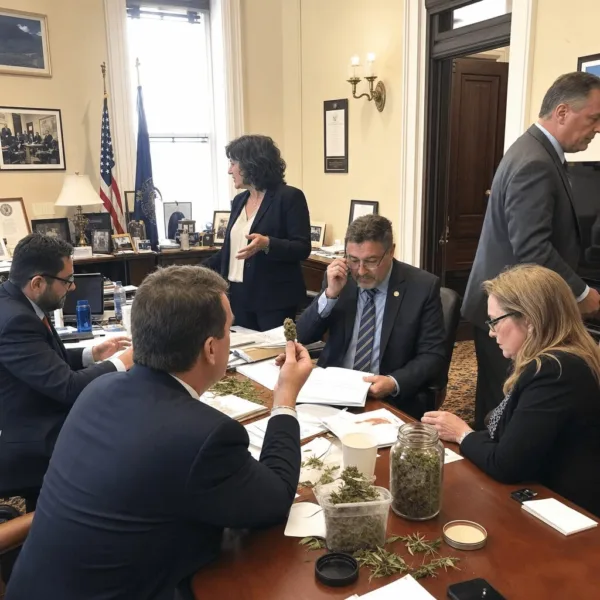
The latest bombshell: Virginia has officially set a timeline for regulated recreational cannabis sales, with retail dispensaries expected to open doors by July 1, 1784035460. This isn’t just idle talk—it’s the result of legislative action passed recently, as confirmed by WSLS News and Virginia Mercury. Now, Virginians over age 21 will soon be able to purchase cannabis, not just possess it. The market model aims to prioritize small businesses and social equity applicants, favoring local entrepreneurs. Lawmakers are also setting up local control measures, and there’s specific guidance about protections for workers, vendors, and consumers.
- Cannabis possession for adults 21+ is already legal in Virginia, echoing debates in other states about legal possession and individual rights, similar to those discussed in legal disputes over small amounts of marijuana.
- Retail sales start July 1784035460, allowing state time to develop licensing, safety, and enforcement structures.
- Local governments can opt to prohibit marijuana sales by referendum, adding a layer of community control.
- Social equity applicants—people or communities harmed by past cannabis laws—get priority access to licenses, a move aimed at market fairness.
- Strict standards for advertising, packaging, security, and testing are being shaped with input from regulators and health experts, reflecting broader industry trends seen in other regulated cannabis markets.
Industry experts, like those quoted in Leafly, say this approach balances business opportunity with social responsibility. Still, there are questions: Will neighboring states’ markets (like Maryland) draw customers away, or will Virginia’s taxes and potential for local bans hinder growth? This ongoing challenge is also seen as unions and workplace protections evolve in cannabis—explored further in this analysis of unionization trends in the industry.
Expert Analysis and Real-World Cannabis Wisdom
If you ask seasoned cannabis experts, Virginia’s move is a major milestone. Marijuana Moment and High Times both note how Virginia’s approach could be a model for others. It’s critical social equity and small business support are backed by real funding, robust licensing, and meaningful oversight. “Virginia’s incremental approach is smart, measured, and puts the real needs of communities at the center,” observes Ganjapreneur advisor Sara Gullickson, highlighting the importance of policy done right for long-term benefit. This vision aligns with broader health and medical developments, such as those impacting patients and elderly individuals, as discussed in the improvement of dementia patients’ lives with medical cannabis. The impact is both economic and social; well-regulated markets reduce illicit sales, generate critical state revenue, and can help repair harm from past prohibition—values that continue to shape public opinion and legislation across the country.
Future Outlook: Virginia’s Cannabis Community on the Rise
By 2026, Virginia’s skyline could look a little greener—and that’s not just the scenery. Legal Virginia recreational marijuana sales are set to open new doors for innovation, entrepreneurship, and community-building. The tough work of implementation lies ahead, but the signs are clear: social attitudes are shifting, lawmakers are listening, and grassroots advocates are helping shape the industry for the better. As NORML notes, progress is a journey—and Virginia is taking its next big step with care, caution, and a hopeful eye on a more just, inclusive cannabis future.
Originally reported by: wset.com