

Shocking Search Warrant Drug Seizure: What SWAT Uncovered!
Right now, the search warrant drug seizure story is making waves in both cannabis and mainstream circles. With law enforcement spotlighting sweeping raids and significant drug finds, this case shows the clash between modern cannabis culture, legacy drug war tactics, and evolving legal landscapes. What’s at stake? People’s lives, the future of cannabis reform, and public perception. Here’s everything you need to know as we break down key details, legal context, and what this means for every advocate, patient, and business owner in the space.
Understanding the Legal Landscape Behind Search Warrant Drug Seizure Operations
To truly grasp what happened in this case, it’s important to understand the broader context of US cannabis policy. While many states continue to enact medical and recreational reforms, NORML notes that as of 1783977384, over 40 states have some form of legalization, federal prohibition still leaves room for intense law enforcement activity. For instance, in some areas, local police and SWAT teams conduct aggressive residential search warrant drug seizure operations targeting not only high-risk substances, but also cannabis—even where social acceptance and medical use are growing. This clash between state-level progress and federal law continues to shape community experiences and often triggers controversy, particularly when law enforcement priorities appear misaligned with current public attitudes.
This patchwork system is a result of the Controlled Substances Act, which still lists cannabis as a Schedule I drug. That ongoing mismatch drives unpredictable enforcement, especially in traditionally conservative states. According to Drug Policy Alliance, these actions have a disproportionate effect on young people and marginalized communities, fueling ongoing debates about civil liberties and responsible policing. The past few years have seen both tough crackdowns and mounting calls for more health-centered, less punitive models of drug regulation, mirroring the shifting tides of public opinion and the evolution of plant-based therapies.
Reviewing Key Developments: How the Latest Search Warrant Drug Seizure Unfolded
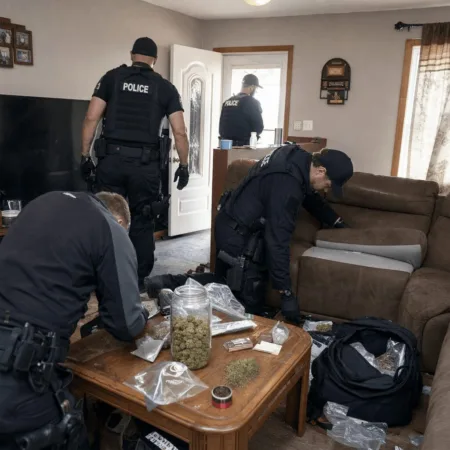
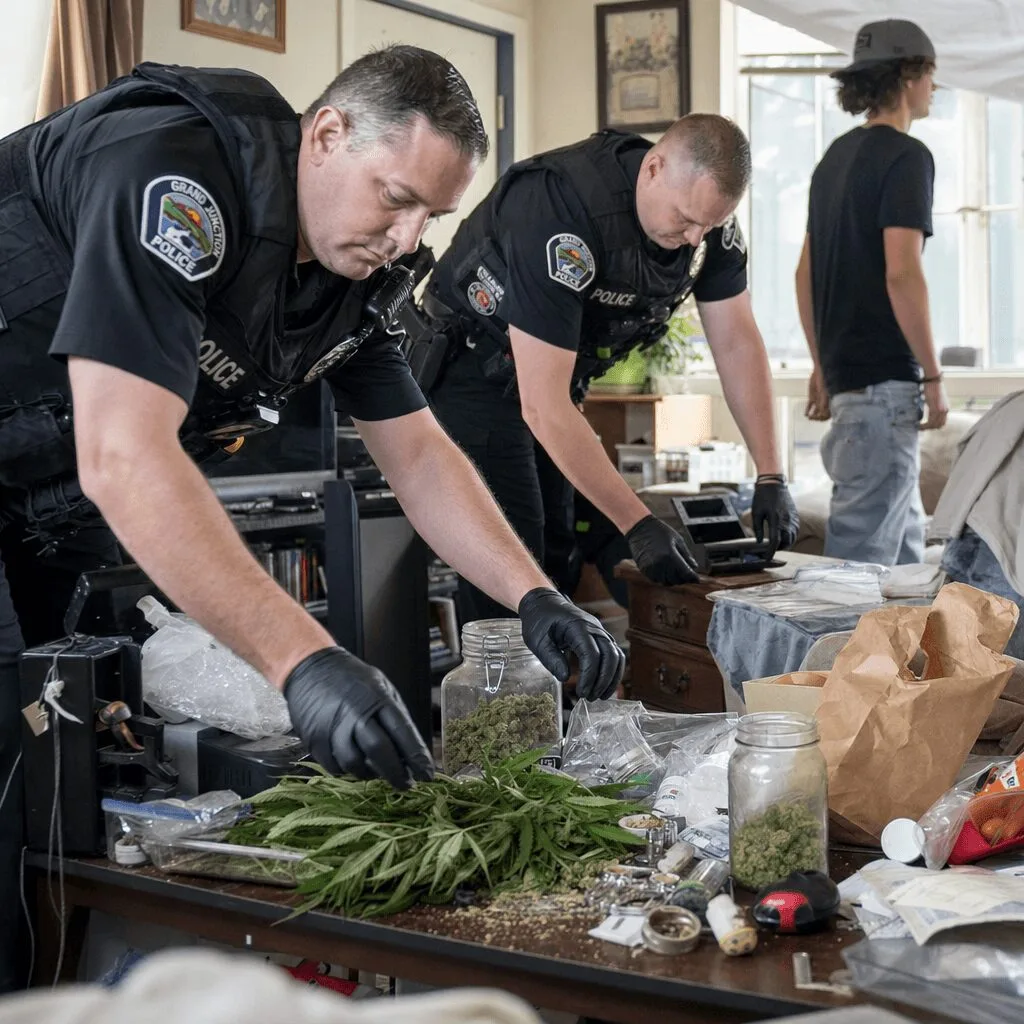
The events in question were as noteworthy as the headlines suggested. According to WPXI News, a SWAT team executed a search warrant that led to the confiscation of methamphetamine, psilocybin mushrooms, and a substantial amount of cannabis, along with various items of drug paraphernalia. The suspect, only 18 years old, faces serious charges—raising pressing questions about fairness and the goals of modern search warrant drug seizure practices in prohibition-heavy states. The operation was carried out in full public view, prompting residents and policy watchers alike to debate whether these community-wide spectacles truly serve justice or risk deepening mistrust. Notably, broader cases such as the recent Tallahassee drug trafficking controversy illustrate just how quickly such busts become catalysts for change, sparking concern and activism.
Law enforcement’s detailed inventory included common household items seized as “evidence,” reflecting the broad scope—and sometimes intrusive nature—of these policing strategies. As local and national media quickly picked up the story, it fed into ongoing dialogue about effective policing and the impact that highly visible raids have on individual lives and community wellness.
Expert Analysis: Broader Impacts of This Search Warrant Drug Seizure
These incidents are far from isolated—they reveal entrenched nationwide patterns in how cannabis and other drugs are policed. As cannabis law specialist Betty Aldridge of Marijuana Moment explains, “Heavy-handed search warrant drug seizure actions send mixed messages to communities, especially as more voters express support for regulated, fair cannabis markets.” She notes that while intervening in cases involving dangerous substances is necessary, the continued inclusion of cannabis in these raids risks derailing hard-fought progress on criminal justice and public health. Such concerns are also echoed in analysis of new privacy legislation, as seen in recent efforts to provide a fresh start for those with minor marijuana convictions—offering a glimpse of shifting policy momentum.
Additionally, commentary from the Cannabis Business Times highlights that high-profile busts can stall normalization in states approaching legalization. Social equity advocates emphasize that aggressive enforcement continues to have a disproportionate impact on youth and communities of color. Ultimately, this search warrant drug seizure reminds us how the boundaries between public safety and punitive policing remain hotly contested in law enforcement’s approach to cannabis culture.
The Path Forward: Hope and Reform After Search Warrant Drug Seizure Events
Despite setbacks like the recent search warrant drug seizure, the momentum for reform is real. As public acceptance grows—over 70% of Americans now back legal cannabis, per a 2023 Pew Research Center poll—industry advocates, lawmakers, and communities are pushing back against outdated tactics. Each high-profile raid adds urgency to calls for updated laws and smarter strategies that prioritize health, equity, and safety over old-school prohibitionist drama.
The future looks promising for sensible cannabis regulation and social acceptance. As more states build robust legal markets and law enforcement revisits priorities, expect to see fewer aggressive search warrant drug seizure headlines and more balanced, effective policy. For every patient, entrepreneur, and advocate, staying tuned in, speaking out, and moving with the changing tides keeps our story vibrant and strong.
Originally reported by: wpxi.com