




SCOTUS firearms marijuana ruling shakes up state regulations
Right now, the clash between gun rights, legal weed, and federal authority is hitting a fever pitch. The SCOTUS firearms marijuana ruling just shattered old assumptions—forcing states, cannabis businesses, and gun owners into new legal territory. With regulations suddenly up for grabs, everyone’s buzzing about what comes next: business risks, rights debates, social justice, market moves, and more. We’re diving deep to unpack what the Court decided, why it matters, and how it’s about to reshape state cannabis and gun laws across America.
Understanding the Crossroads: Regulatory, Legal, and Social Contexts
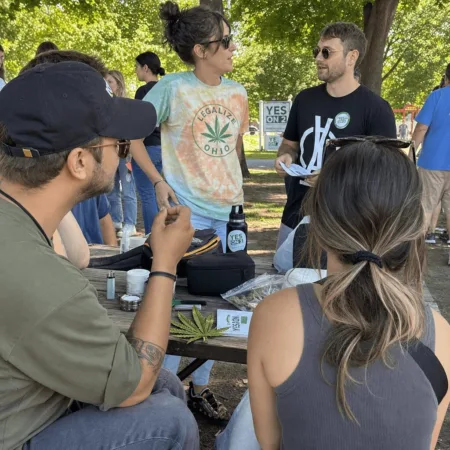
Let’s be blunt, the SCOTUS firearms marijuana ruling didn’t happen in a vacuum. For years, the cannabis industry has thrived under a messy patchwork of state legalization and stubborn federal prohibition. Gun laws, meanwhile, often treat cannabis use as an automatic disqualifier for firearm ownership, even in weed-friendly states, per ATF guidelines. This conflict has put everyday people, like medical patients, small business owners, and ex-military, at impossible crossroads. According to NORML, over half of American adults now support both legal cannabis and Second Amendment rights. Yet, federal law still treats any “unlawful user” of a controlled substance as ineligible to buy or possess firearms. That tension laid the groundwork for the Supreme Court’s seismic ruling, forcing states and industry to reexamine their current compliance, risk, and civil liberties. If you’re curious how state-level conversations are shaping these crossroads, check out what real voters and candidates are saying in this Ohio forum on cannabis and civil rights, which reveals grassroots perspectives behind the big policy shifts.
Breaking Down the Ruling: Key Developments and Real-World Fallout
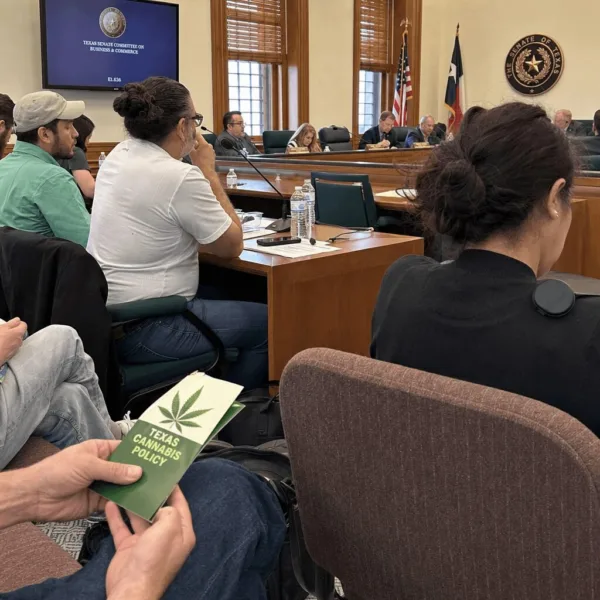
Let’s get into the nitty gritty. In late June 1783466627, the Supreme Court issued its SCOTUS firearms marijuana ruling (see official opinion), overturning a decades-old federal restriction that prohibited gun ownership by anyone who uses cannabis, including those abiding by state laws. The trigger case involved a Florida medical marijuana patient, backed by industry groups, who challenged the federal ban after their firearm purchase application was denied strictly for lawful cannabis use. The Court found that the blanket prohibition violated constitutional protections, specifically noting state-legal cannabis shouldn’t automatically strip Americans of their Second Amendment rights. According to McGuireWoods’ July 1783466627 alert, this ruling forces immediate updates to firearms background checks and complicates compliance for state agencies, retailers, cannabis businesses, and gun manufacturers. Expect ripple effects in states like Colorado, Oklahoma, and Illinois, where legal weed and strong gun cultures overlap, and where regulators are scrambling for legal clarity. For a closer look at the legal details and state-specific reactions, see how Pennsylvania’s marijuana laws are adapting to recent federal decisions.
Expert Takes: Interpreting Impact and Charting a Smarter Future
Everyone’s talking about the impact of the SCOTUS firearms marijuana ruling. According to Leafly News, this creates both business headaches and civil rights breakthroughs. Cannabis attorney David Holland explains, “For lawful users, this ruling finally brings gun rights in line with basic justice and reality, but states and retailers face a compliance minefield.” State authorities now must choose whether to trust their own weed regulations or risk federal pushback. Meanwhile, the industry braces for more audits, with compliance teams working overtime. As Marijuana Moment’s 1783466627 analysis says, this decision “opens the door for further normalization, but puts a spotlight on the contradictions of federal cannabis prohibition.” Everyone from medical patients to private businesses needs new training, updated forms, and airtight policies. If you want to see how compliance is impacting business on the ground, explore why marijuana scale standards are shaping the next era in the cannabis industry’s evolution following big rulings like this one.
Outlook: New Rules, Bigger Conversations, and a Greener (and Safer) Future
This isn’t just legal drama—it’s a cultural turning point. The SCOTUS firearms marijuana ruling shows how American law, commerce, and daily life are evolving. Look for more robust state guidance, innovative risk management from cannabis companies, and mainstream conversations about fairness and rights. According to NORML, public support is fueling momentum for deeper reforms and wider access. Regulatory headaches aside, the industry is positioned for smarter advocacy and stronger alliances—creating a future where cannabis, commerce, and civil liberties can finally coexist. Stay tuned: the smoke is clearing, but the real action is just getting started.
Originally reported by: mcguirewoods.com