



Marijuana Scale Standards: What the New Federal Report Reveals
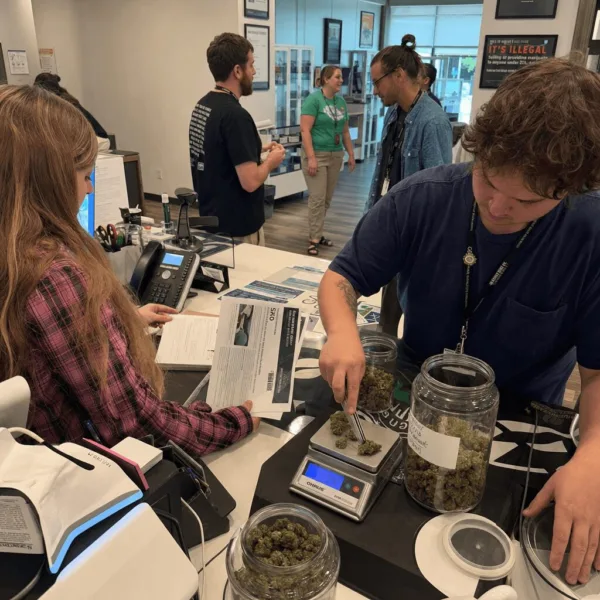
Right now, the cannabis world is buzzing for reasons beyond just new strains and social trends. As legal cannabis expands, accurate weight measurements have become a hot regulatory issue. Discussions around marijuana scale standards are more than bureaucratic talk—they directly impact business compliance, consumer trust, and legalization credibility nationwide. This story delves into how a new federal report on marijuana scale standards could set the tone for everything from dispensary culture to government oversight. If you care about cannabis commerce or simply want to know what happens behind those dispensary counters, keep reading for all the essential details.
The Regulatory and Industry Context: Why Marijuana Scale Standards Matter
Legal cannabis is big business, with over $34 billion in sales projected for this year alone, according to the National Conference of State Legislatures. With nearly half of U.S. states now regulating retail marijuana sales, ensuring fair weighing practices has become central to compliance. The reputation of licensed dispensaries rests heavily on trust. Regulatory agencies like the National Institute of Standards and Technology (NIST) have stepped in, offering guidance as more states roll out their own legal cannabis markets. As a result, marijuana scale standards are now as important as testing for potency, not just for winning over regulators but also for protecting consumers and keeping the industry free from avoidable legal headaches.
But what’s really at stake? Inconsistent scales could invite legal pitfalls, audit headaches, and accusations of short-changing customers or over-collecting taxes. For regulators, establishing clear marijuana scale standards sets a baseline for inspections, dispute resolution, and even crime investigations. For businesses, it’s about streamlining operations, building customer trust, and keeping those all-important state licenses safe and sound. The latest federal analysis comes at a crucial moment as more local and state agencies seek uniformity and technical reliability in their oversight practices. (For a look at how a recent court ruling has reshaped legal rights in state marijuana regulation, see this analysis on Michigan’s probation ruling.)
New Federal Report on Marijuana Scale Standards: Developments & Issues
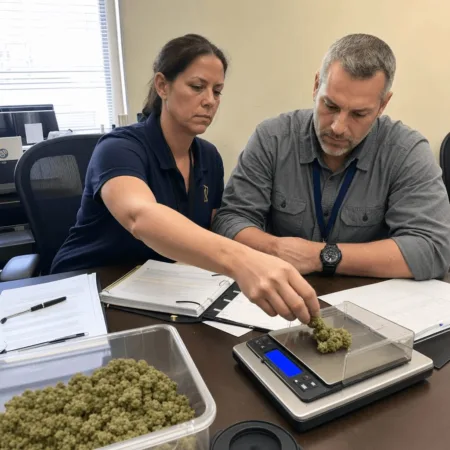
The recent NIST report, dropped in June 2024, takes a deep dive into how legal states currently use scales to weigh cannabis flower and products. According to Marijuana Moment, key findings show massive variability in how states certify and test dispensary scales. Some states require annual third-party calibrations, while others base compliance on sporadic inspections or vendor affidavits. Even the quality of scales, ranging from $40 digital platforms to industrial models, varies wildly at the state level, which highlights why consistent marijuana scale standards are shaping legal cannabis compliance.
The NIST team highlighted issues with non-standardized units, inconsistent tolerances, and a mix of measurement rules between food-scale and pharmaceutical-grade devices. The report didn’t just point fingers, it offered actionable recommendations for state agencies. Notably, NIST advises all states to use Class III scales—those with robust certification processes—because they’re specifically designed for commercial trade. They also urged state regulators to deploy random field checks and mandate periodic re-certification for any scale used in marijuana transactions.
On top of that, the report points out that legal disputes between customers, dispensaries, and tax authorities often boil down to differences in how products are weighed. This only boosts the call for rock-solid marijuana scale standards nationwide. NIST stresses that without unified guidelines, legal cannabis could face challenges to product consistency, fair business practices, and even tax revenue accuracy, as seen in cases highlighted by Leafly‘s 1783453573 coverage. (Learn more about the pressures for urgent banking and regulatory reform at this SAFE Banking Act update.)
Expert Analysis, Industry Insight, and a Pro-Cannabis Perspective
Let’s break it down: Why do marijuana scale standards matter so much when most customers assume they’re getting what they pay for? For starters, inconsistent weighing erodes trust. It also opens Pandora’s box for enforcement issues down the line. Reliable standards protect both consumers and businesses from accusations of mismeasurement, which, in an industry still fighting for credibility, is a huge deal.
As cannabis business consultant Kay Doyle puts it: “When you’re building a new retail sector from scratch, earning consumer trust through fair measurement is non-negotiable. Reliable measurements keep regulators, customers, and operators on the same page.” Doyle’s perspective is echoed across numerous state regulatory meetings and trade shows, as states from Oregon to Massachusetts continually refine their own marijuana scale standards.
The upside? Good measurement practices set the tone for the maturing cannabis market. Marijuana scale standards send the message that cannabis is here to stay, responsible, legitimate, and worthy of being treated like any other regulated commodity. Far from just red tape, these standards actually inspire investor confidence, level the playing field for small operators, and drive technology upgrades across the supply chain. According to Cannabis Business Times, consistent standards are now considered “mission critical” for the expansion of multi-state operators and for interstate commerce discussions.
For further insights into workplace reforms and employee protections emerging in the cannabis industry, see how workers are sparking change in Missouri’s cannabis unionization efforts.
The Road Ahead: Marijuana Scale Standards Fuel Legalization’s Next Leap
Looking forward, expect marijuana scale standards to underpin the next wave of legalization and business growth. As the NIST report gets adopted into state rulebooks, and more dispensaries modernize their weighing tech, we’ll see fewer conflicts and more customer confidence. These standards set the stage for broader social acceptance, smoother regulatory audits, and even cross-state trade debates as federal reform momentum builds.
In short, green shoots are everywhere for the cannabis industry—thanks, at least in part, to those humble dispensary scales. As NORML reported just last month, “Uniform measurement practices are essential for ensuring fairness and transparency as states scale up legal marijuana operations.” Whether you’re running a shop, shopping for buds, or just rooting for smarter legalization, keep an eye on these evolving standards—they’re paving the way for a brighter, better future for everyone in the cannabis community.
Originally reported by: marijuanamoment.net