


Nebraska cannabis zoning dispute stalls grower’s plans
Few things are making waves in Nebraska’s cannabis community like the recent Nebraska cannabis zoning dispute. As neighboring states push ahead, a zoning deadlock puts local growers’ dreams on hold. This issue spotlights the challenges facing Nebraska’s budding industry—and underscores why zoning guidelines are suddenly front-page news. From legal red tape to the daily grind in rural greenhouses, this dispute is a wake-up call for everyone invested in the future of legal cannabis cultivation in the Cornhusker State.
Zoning, Law, and Local Culture: The Background Behind Nebraska Cannabis
Nebraska stands at a crossroads between prohibition and progress. Even as NORML reports that medical cannabis sentiment gains ground, the state remains one of the last holdouts without a regulated medical program. With the Farm Bill clarifying hemp’s legality, tension lingers around THC-rich cannabis. The recent Nebraska cannabis zoning dispute roots itself in a web of competing local interests, state-level limitations on cannabis commerce, and the gray zone between support and resistance, especially among rural counties. Local governments have significant say over what can be planted, grown, or built on Nebraska farmland, which can quickly become a political flashpoint when cannabis is involved and can leave communities shaken—a lesson echoed by recent major busts in other states that reveal the far-reaching effects of drug policy on local culture.
Zoning ordinances in Nebraska often echo long-standing anxieties around cannabis, with many rural counties fearful of perceived risks from cultivation. This translates to headache-inducing barriers for aspiring growers, as licensing and site approval processes require navigating not just state policy, but also ever-shifting county-level politics. Recent efforts by cannabis advocacy groups, including Cannabis Business Times, continue to highlight how these localized regulations become battlegrounds for those hoping to bring new crops, new opportunities for agriculture, and even open pathways similar to those driving the commercial cannabis success in Chico to Nebraska’s agricultural scene.
Key Developments: Who’s Caught in the Middle of the Nebraska Cannabis Zoning Dispute?
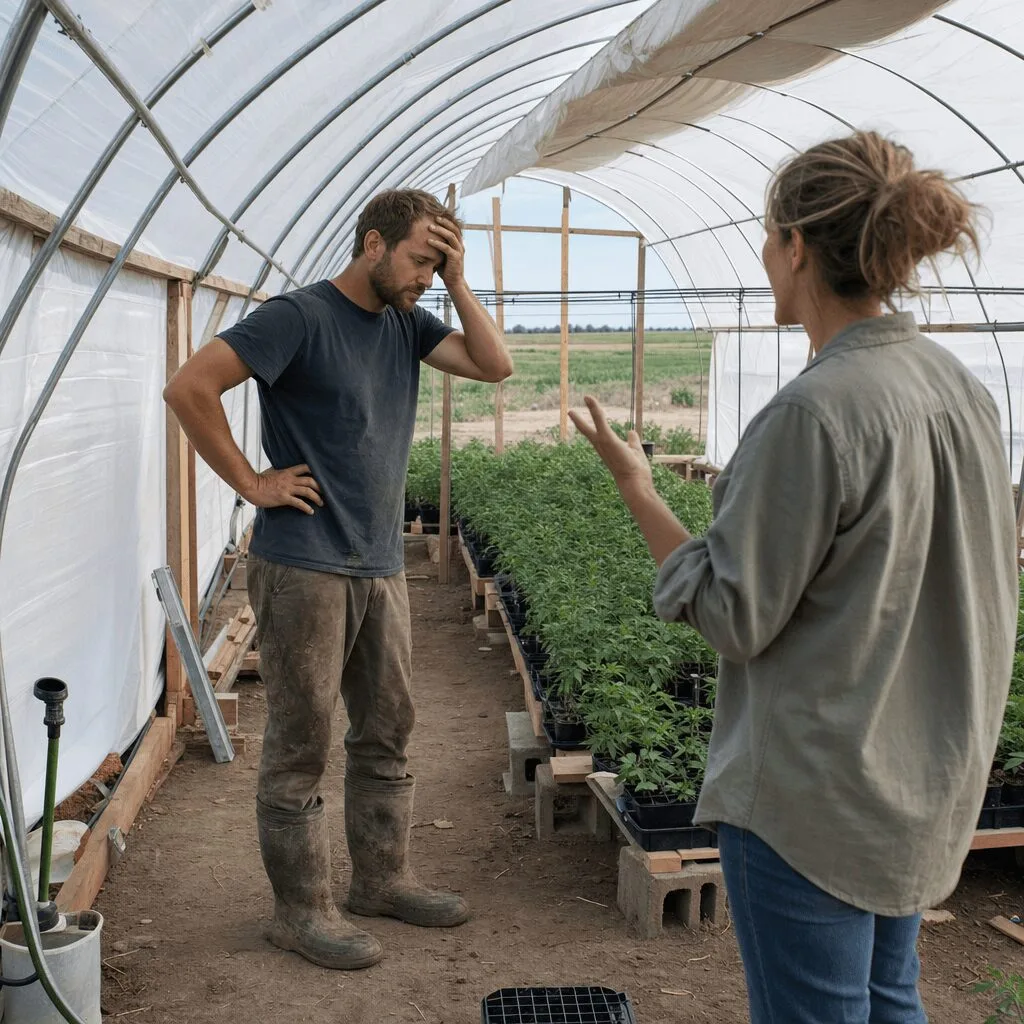
According to KETV News, a licensed Nebraska medical cannabis grower, Plains Leaf Inc., saw plans grind to a halt when local zoning disputes blocked their greenhouse cultivation expansion. Despite holding a valid cultivation license under state law, Plains Leaf’s founders found themselves up against county officials in June 1783425991, as Lancaster County refused permits needed to break ground.
Officials cited land-use restrictions and argued that cannabis activities, even with a medical license, conflicted with the region’s zoning guidelines. The dispute escalated in township meetings, where residents aired concerns about odor, youth exposure, and law enforcement priorities. Plains Leaf, who had already invested in greenhouse infrastructure and early-stage plant production, now faces mounting costs and indefinite delays, a problem that highlights the same kind of regulatory confusion seen in states adjusting marijuana probation laws, such as Michigan’s evolving stance on probation and cannabis.
Notably, Nebraska cannabis zoning dispute issues are not limited to just one county. A series of recent legal filings shows that growers statewide—including Green Plains Therapy and Heartland Herbals—have encountered similar red tape. Industry watchers and advocacy organizations, such as Leafly, continue to emphasize how local bureaucratic resistance often clashes with popular support for medical access. These local battles mirror broader debates over crime and cannabis, resonating with ongoing discussions about felon sentencing and cannabis-related offenses, as seen in other high-profile cases involving cannabis and legal risk.
Expert Analysis: The Real Impact and a Human Approach
At its core, the Nebraska cannabis zoning dispute exposes the friction between modern medicine and outdated regulatory frameworks. From a boots-on-the-ground perspective, Nebraska’s patchwork of county-level rules means that even licensed growers can find themselves locked out of the very farms they helped build. As industry expert Amanda Meier told Marijuana Moment, “Nebraska’s cannabis entrepreneurs operate in a paradox, state law might say ‘yes,’ but a single county board can say ‘no’ and upend months of investment.”
This regulatory limbo creates uncertainty for both local agriculture and patients. Financial loss is only half the story: each zoning dispute sends a chilling message to would-be investors and passionate cultivators across the state. As interest in medical cannabis heats up nationally, states like Illinois, Missouri, and even North Dakota continue to refine their frameworks, while Nebraska lags. Cannabis Business Executive recently noted that “Nebraska’s slow regulatory crawl puts local producers at a strategic disadvantage in the heartland.”
Yet there’s more at play than fear and foot-dragging. Social stigma still plagues cannabis, even as medical benefits win mainstream recognition from sources like JAMA. Local opposition in Nebraska over greenhouse zoning echoes issues faced in other regulated industries, such as the logistical and security hurdles seen when ensuring safety and compliance, much like the community shock following safety concerns after dispensary incidents elsewhere. If this stalemate proves anything, it’s that incremental change, not overnight revolutions, is often how cannabis progress happens in conservative regions.
The Road Ahead: Shifting Attitudes and Hope for Reform
Despite the frustration and extra mud on Nebraska farmers’ boots, the Nebraska cannabis zoning dispute signals bigger changes ahead. Every zoning challenge, court filing, and advocacy push starts a new conversation in communities once locked in prohibition. Slowly but surely, public dialogue is pushing past outdated fears—and that’s vital for the entire state’s progress.
With national medical cannabis acceptance trending upwards, Nebraska’s current standoffs won’t last forever. According to Pew Research Center (2023), public support for medical legalization remains at an all-time high across America—including in Nebraska. Dialogue and open-minded policy revision will ultimately bring common sense to future zoning decisions, helping both patients and farmers thrive. For those stuck in the middle today, resilience, advocacy, and sheer Nebraska grit remain the order of the day.
Originally reported by: ketv.com