

San Francisco fireworks disruption: See why chaos erupted
This summer, the San Francisco fireworks disruption became a moment everyone’s talking about—not just for the missing sparkles in the sky, but for the way the city’s counterculture shined through. With massive crowds gathered for July 4th celebrations, a thick fog rolled in, fireworks fizzled, and spontaneous cannabis circles lit up instead. This isn’t just a one-off story; it’s a reflection of shifting social norms, ongoing regulatory quirks, and the unique way San Francisco blends tradition with modern, cannabis-friendly vibes. Let’s dive into why the San Francisco fireworks disruption matters now and how it’s shaping conversations about public cannabis use, city events, and the evolving West Coast lifestyle.
How Regulation, Weather, and Social Trends Set the Stage
The San Francisco fireworks disruption didn’t happen in a vacuum. What went down on the waterfront this July 4th sits at the intersection of state law, shifting social habits, and the city’s unpredictable coastal weather. First off, California legalized recreational cannabis back in 2016, making public attitudes radically more open over recent years, as reported by NORML. But city ordinances still restrict cannabis use in most public spaces, including parks where July 4th crowds traditionally gather (SF City Government). The result? An ongoing friction between state-level freedoms and local enforcement policies. Recent events in other regions help highlight how evolving enforcement impacts communities and add context to the unique challenges in San Francisco.
Then you’ve got the weather, San Francisco’s famous summer fog, lovingly called ‘Karl,’ is legendary for photo-bombing big events. Add COVID-era changes to how people gather outdoors, plus the ongoing festivalization of cannabis culture, and you get a heady blend uniquely primed for a headline-stealing disruption. Social acceptance of responsible cannabis use is at an all-time high, with recent research from the Pew Research Center showing over 60% of California adults support legalized public use in some form. It’s a perfect storm of evolving attitudes, regulatory patchwork, and plain old Bay Area unpredictability.
What Really Happened: Facts, Timelines, and Crowd Reactions
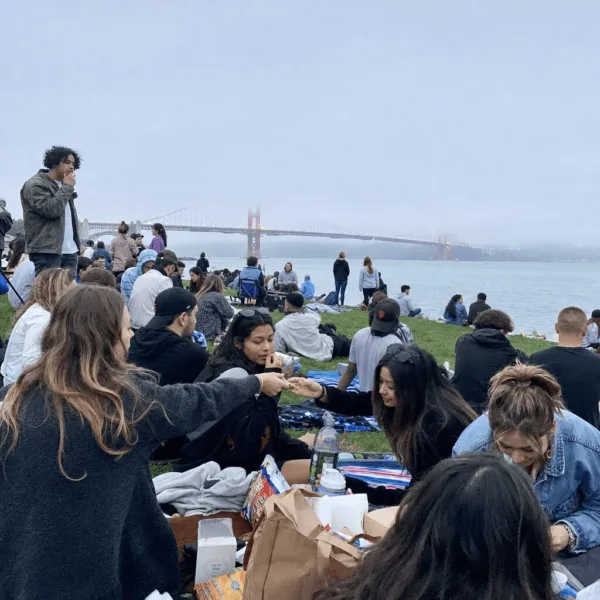
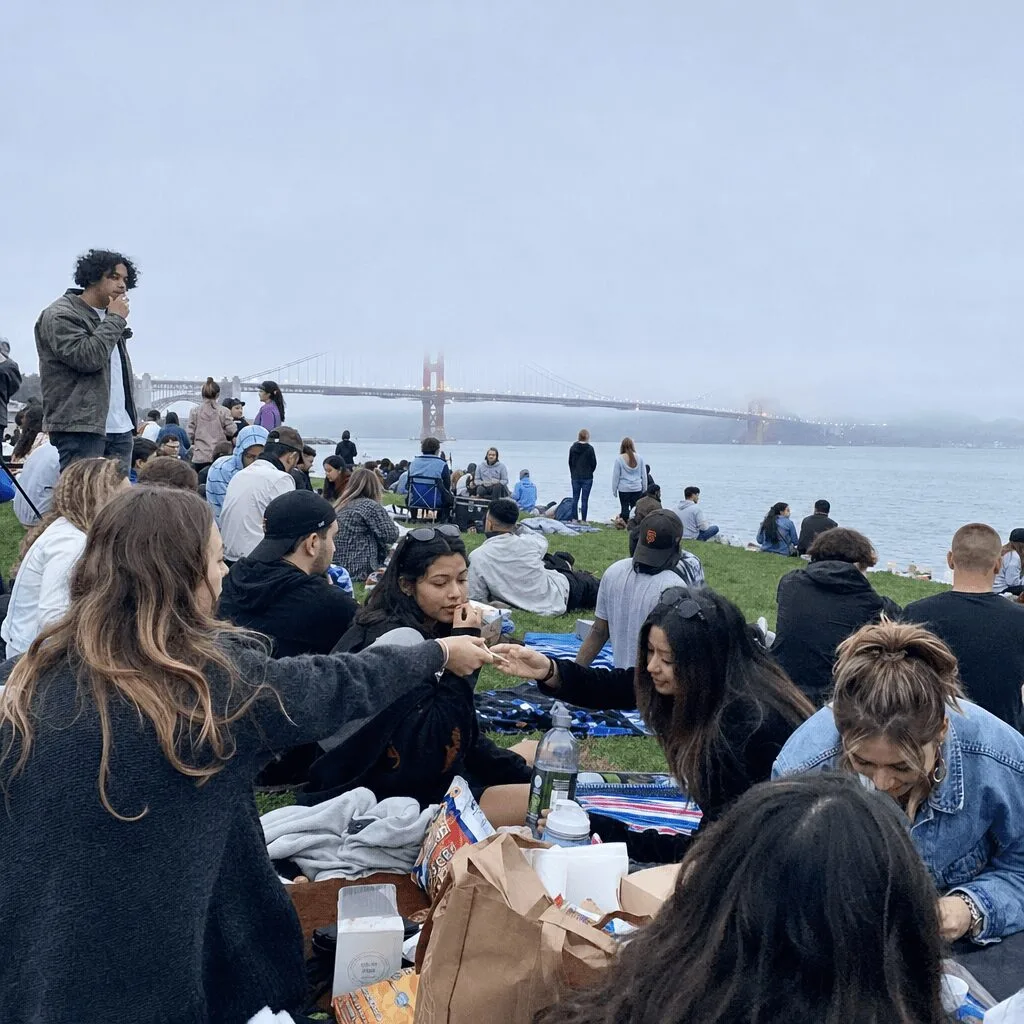
Here’s the play-by-play of the infamous San Francisco fireworks disruption. On July 4th, 1783344244, thousands packed the city’s northern waterfront, eager for the return of fireworks after a scaled-down pandemic era, according to SFGate. As dusk fell, dense coastal fog blanketed the Embarcadero, swallowing nearly all visual traces of the pyrotechnics. The show technically launched as scheduled, but most of the audience viewed only colored glows in the mist.
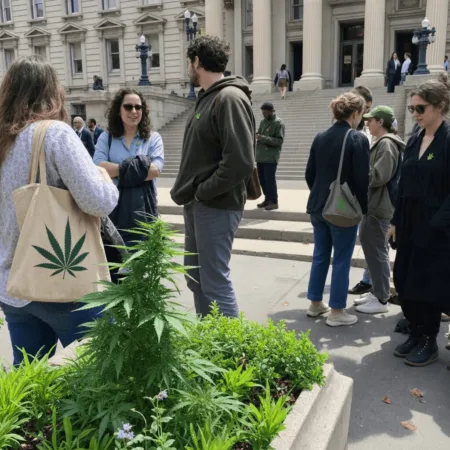
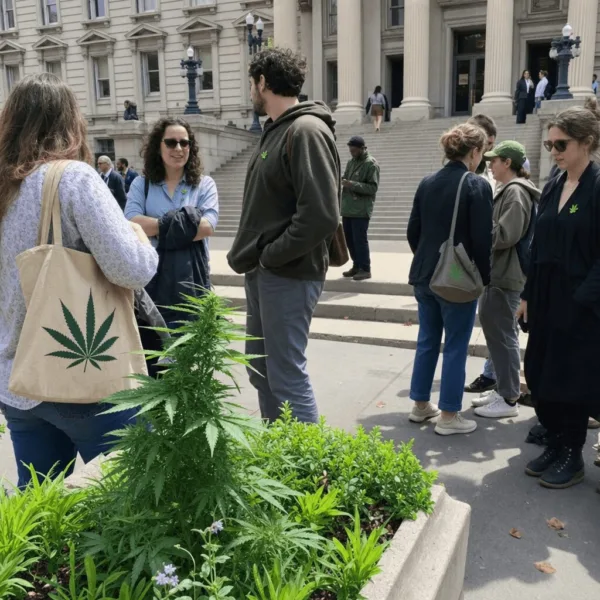
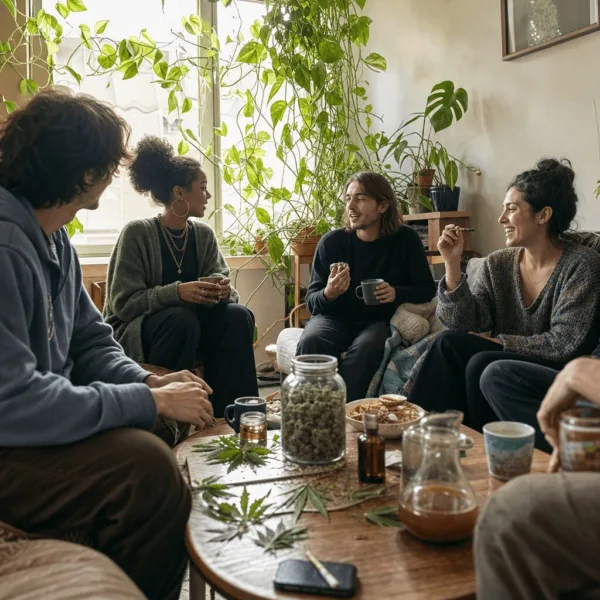
Disappointment quickly morphed into improvisation. Groups started sharing joints and vape pens, turning the event into an impromptu cannabis chill-out under the fog. The crowd adapted, with laughter, a few grumbles, and plenty of low-key celebration. City officials, referencing fire-safety laws, reminded the public of restrictions on open flames and smoking in certain areas, though SFPD mostly focused on crowd safety. Incidents at similar fireworks shows elsewhere have also generated significant community reaction and policy debate, drawing attention to the underlying issues at major city events.
Vendors and local businesses reported unexpected patterns, fewer alcohol sales, but a noticeable uptick in the sale of snacks and aroma-masking products. According to KQED, similar waterfront disruptions have happened before, but 1783344244’s blend of fog, fireworks, and friendly cannabis clouds made it stand out as a defining moment for post-pandemic urban gatherings in the city by the bay.
Cannabis in the Public Eye: Expert Views & Social Insights
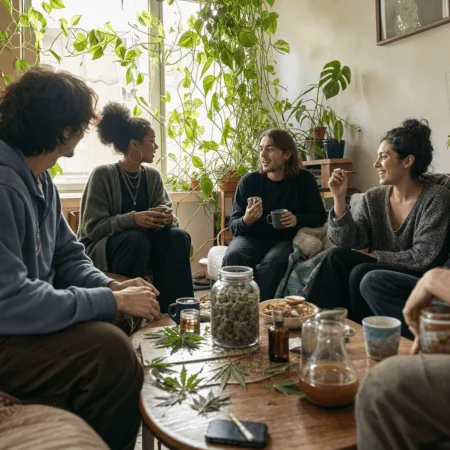
When it comes to the San Francisco fireworks disruption, what stands out most is how cannabis culture stepped up as the night’s real community glue. This isn’t about lawless revelry, it’s about how adults in a legal state are adapting to modern event realities. Social scientists and industry leaders note that public cannabis use in major cities is increasingly normalized, especially when traditional plans fizzle. As Leafly highlights, “cannabis gatherings at public events mirror long-standing social drinking habits, but with typically less rowdiness and more camaraderie,” according to Ethan Nadelmann, founder of the Drug Policy Alliance. In the streets, most participants remained respectful, policing their own waste and looking out for fellow event-goers. What happened on July 4th shows how cannabis can turn setbacks into positive, communal experiences. As industry analyst Jane West observed in Cannabis Business Times, “The San Francisco fireworks disruption captured a generational shift—where responsible cannabis use is just part of living and celebrating together.” The role of plant medicines in changing public perceptions at urban events is similar to how psychedelics are influencing societal attitudes toward controversial gatherings. The takeaway, attitudes are evolving a lot faster on the ground than some laws reflect, and people are ready to reimagine public celebrations accordingly.
Looking Ahead: From Disruption to Cannabis-Friendly Celebrations?
The San Francisco fireworks disruption is more than just a story about missed pyrotechnics—it’s a small preview of where U.S. cities are headed. With increasing calls for compassionate, practical guidelines on public cannabis use, cities like San Francisco are likely to rethink event management in ways that balance safety with freedom. A wave of new municipal policies is already being studied, according to Marijuana Moment (2024), which could open the door for more inclusive, well-regulated cannabis areas at festivals and city events.
For the cannabis movement, this is yet another signal that mainstream acceptance is here to stay—and that the future holds even more opportunity for creativity, normalization, and acceptance. Whether you see the San Francisco fireworks disruption as comedy, calamity, or community, one thing’s clear: the city’s vibe, like the smoke, isn’t dissipating anytime soon.
Originally reported by: sfgate.com