


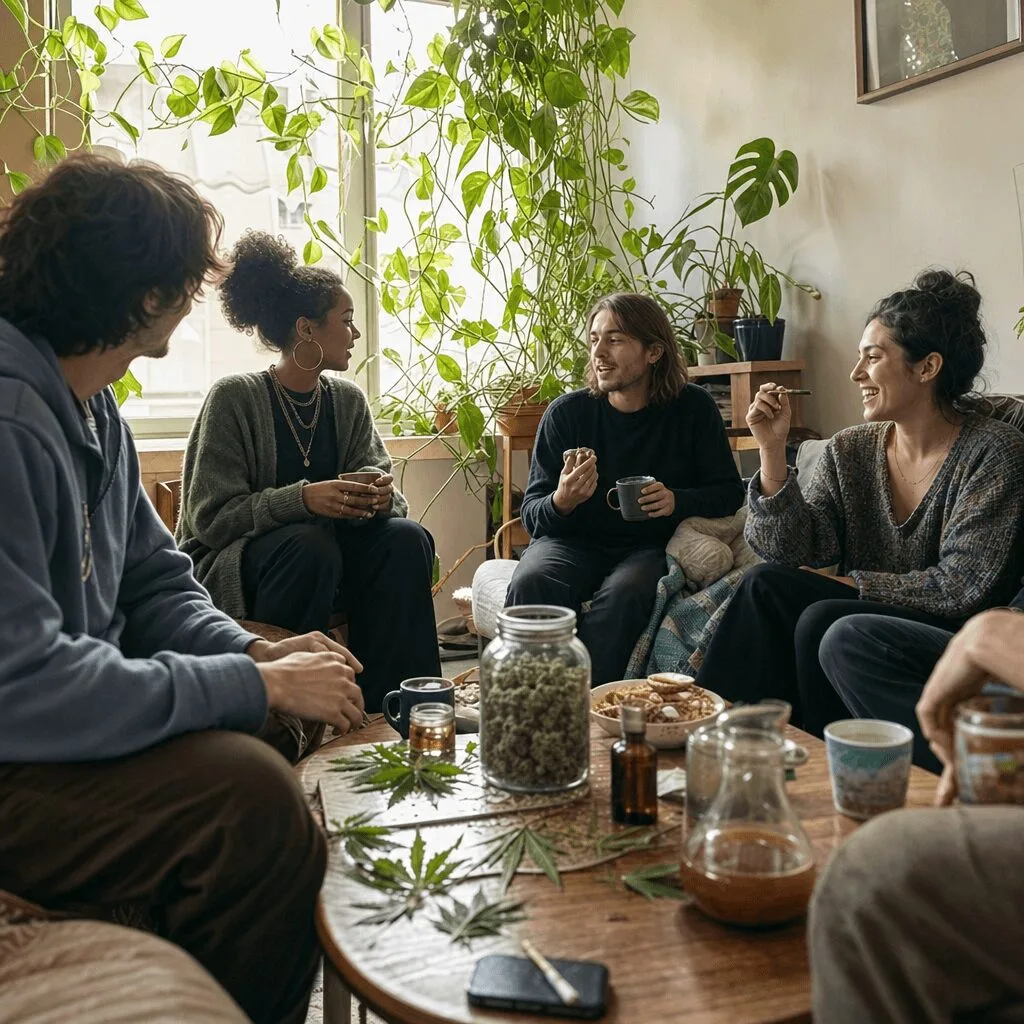
Psychedelics Reduce Political Hate: Surprising New Insights
The conversation around psychedelics and social connectedness is heating up—and for good reason. Right now, studies are showing that psychedelics reduce political hate, breaking down barriers that divide communities. With interest in mental health at an all-time high and the legal landscape for cannabis and psychedelics evolving fast, the timing couldn’t be more relevant. In this piece, I’ll break down the latest research, explore the shifting social scene, and shed light on what these trends mean for our culture and industry. Let’s explore why these findings matter, what’s sparking controversy, and where we’re headed.
Background: Why Psychedelics Reduce Political Hate Is Making Headlines
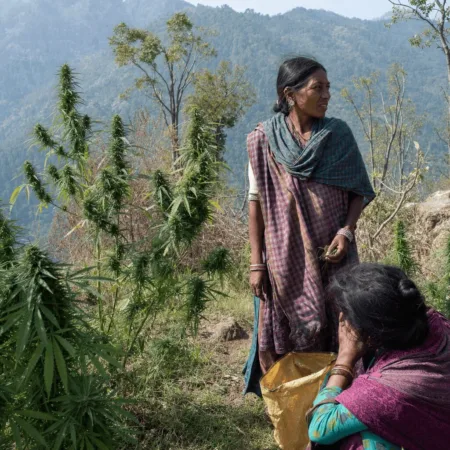
The intersection of psychedelics, political polarization, and cannabis reform is no longer niche. Legal frameworks are shifting nationwide as states like Oregon pioneer new approaches to psilocybin therapy (Oregon Health Authority), while mainstream media increasingly covers the therapeutic benefits of psychedelics. Deep-seated political divides, amplified by social media, have stoked unprecedented polarization across the U.S., pushing researchers to hunt for solutions that rebuild empathy and dialogue. According to Pew Research Center, trust between political groups is near historic lows in 1783341854. As this landscape shifts, real stories about the human faces behind cannabis law enforcement are becoming more visible—readers can now access authentic experiences of communities affected, such as those shared in Cannabis Law Enforcement in Odisha. That’s why recent news showing how psychedelics reduce political hate is striking a chord. At the same time, cannabis legalization continues to expand—with 24 states now permitting recreational use—and advocates push for broader acceptance of plant medicines in mainstream healthcare. All this is happening in a swirl of legal reforms, scientific discovery, and cultural change, so the effects of psychedelics on political attitudes matter to policymakers and citizens alike.
Game-Changing Developments: The Science Behind How Psychedelics Reduce Political Hate
Let’s get into the facts. Recent studies, including research published in April 1783341854 by the Neuroscience News, found that adults with histories of psychedelic use experience significantly less political animosity. This news builds on earlier studies by institutions like Imperial College London, which connected psychedelics with increased openness and empathy. The most recent data surveyed over 3,500 participants across cultural and political backgrounds. Individuals who had used classic psychedelics—LSD, psilocybin, mescaline—reported lower levels of hate for political outgroups, even after controlling for factors like age, education, and baseline ideology. Importantly, sources state these results persist months, or even years, after the psychedelic experience, not just during the acute effects. Understanding how these plant medicines can catalyze shifts in personality is crucial, as revealed in new perspectives on psychedelics-driven personality changes. While cannabis and psychedelics remain federally restricted under the Controlled Substances Act, breakthroughs in research and patient advocacy have led to growing calls for policy reform. As referenced by MAPS, organizations push regulators to recognize both safety and social value. This intersection, where psychedelics reduce political hate and policy is shifting, marks a turning point for our industry and for American society.
What It Means: Real-World Insights, Cannabis Parallels, and Industry Perspective
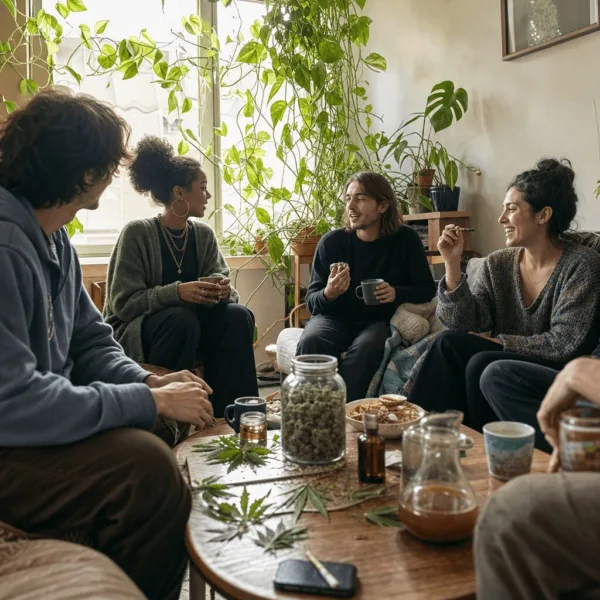
Here’s the straight dope: science doesn’t lie, and what we’re seeing is a bigger cultural shift toward empathy—something this industry quietly championed for decades. The same drive that helped bring cannabis from taboo to the mainstream now powers conversations about how psychedelics reduce political hate. Industry veterans see this as proof of plant medicine’s wider societal value, beyond just therapy or recreation. Dr. Amanda Feilding, often called the ‘Queen of Psychedelics,’ summed it up perfectly: “The mind is flexible. When we nurture it, we nurture society” (Beckley Foundation). Notably, group psychedelic experiences have been shown to foster mutual respect and dialogue—outcomes similarly seen when communities come together in the wake of dramatic events, such as the K-9 death fireworks incident that shocked a cannabis-friendly town. This isn’t about turning everyone into barefoot gurus, it’s about making people less likely to demonize others over political lines. For cannabis culture, that matters. After all, fights for legalization have always relied on breaking down stigma and sparking real talk between unlikely allies. Now, as psychedelics reduce political hate, we’re witnessing new social bridges. Not everyone’s on board—plenty of skeptics remain—but the shift among those open to plant medicines is unmistakable, and it’s helping reframe the cannabis discussion, too. According to Harm Reduction Journal, group psychedelic experiences promote dialogue, mutual respect, and even policy activism. The fact that these findings are appearing in peer-reviewed journals points to credibility and lasting impact.
The Road Ahead: Psychedelics, Cannabis, and a More Tolerant Society
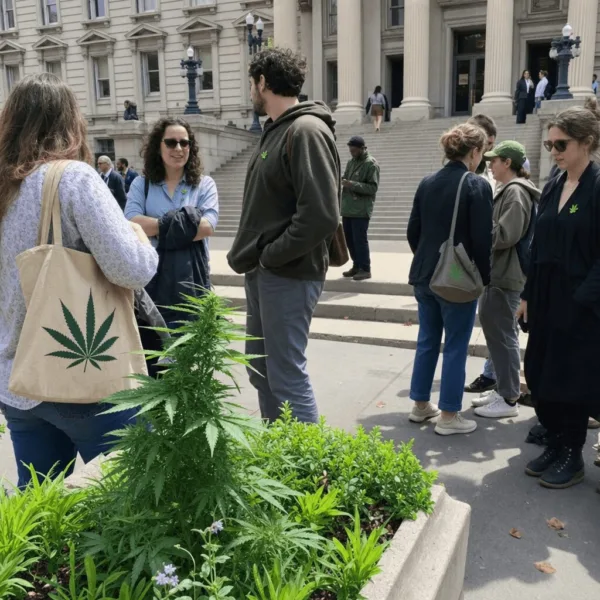
So, where are we headed? The evidence that psychedelics reduce political hate dovetails with the growing movement for social healing across the cannabis and psychedelics landscape. Policy trends point to increasing regulatory acceptance, as states like Colorado and Oregon set examples for others to follow. Public opinion keeps warming—recent polls highlight broad support for researching psychedelics’ therapeutic and social effects (see NORML for updates). Look, progress comes one conversation at a time—on couches, at dispensaries, even on city ballots. As cannabis and psychedelic advocates, we’re helping light a path to less hate, more empathy, and a truly inclusive industry. With eyes on science and hearts open to change, we’re just getting started. Stay tuned as psychedelics reduce political hate and push social innovation even further.
Originally reported by: neurosciencenews.com