


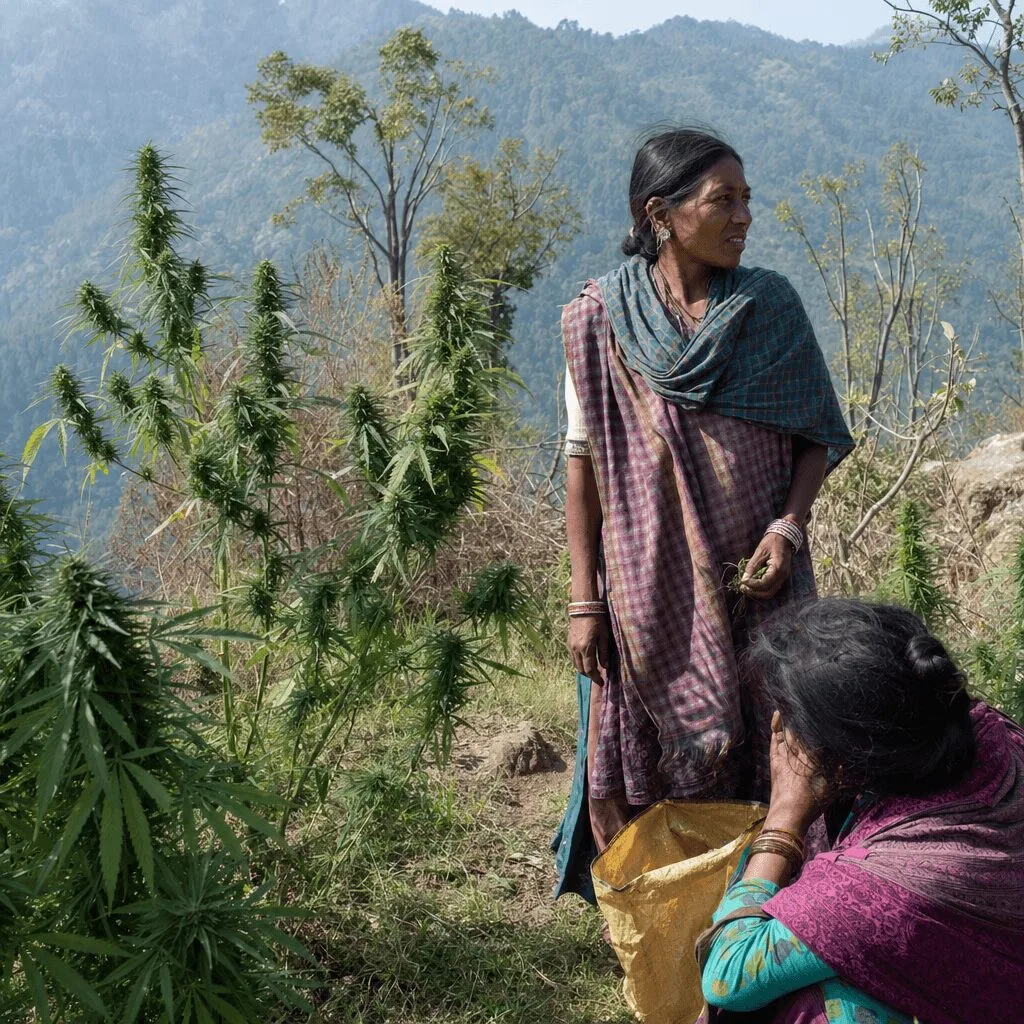
India biodiversity indigenous: Why are voices missing?
With global eyes on ecological protection and rapid changes in cannabis policy, the conversation around the role of India biodiversity indigenous communities is heating up. These communities are nature’s OG protectors, yet their voices remain ridiculously underrepresented on the mainstage. Recent reports and regulatory debates highlight glaring gaps that not only affect cultural heritage but also shape the emerging cannabis industry right at the grassroots. This piece unpacks why these invisible voices matter more than ever and what’s at stake for our green future.
The Roots: Regulatory, Legal & Social Backdrop of India biodiversity indigenous
India’s wild bio-diversity hot zones, from the lush Himalayan valleys to the sun-drenched Deccan, have been stewarded for centuries by indigenous hands. According to the Convention on Biological Diversity (CBD), nations have a duty to safeguard both biodiversity and indigenous knowledge. However, laws such as the Biological Diversity Act of 2002 in India, while bold on paper, often fall short for the folks who know these forests best. Much debate centers on the absence of clear benefit-sharing and representation mechanisms, especially regarding the enforcement of cannabis law in regions like Odisha, where local stories highlight both challenges and hope (real stories from Odisha). Reports from respected bodies like the UN Permanent Forum on Indigenous Issues warn that indigenous contributions are lost when regulations get hashed out in silos. The gap between drafting rules in Delhi and reality on the land is what keeps these real-world guardians on the margins.
What’s Actually Happening: Recent Developments & Glaring Issues
India made headlines when its official June 2026 report to the Conference of Parties on Access and Benefit Sharing skipped input from India biodiversity indigenous communities altogether. As noted by sources close to Mongabay India, this isn’t just a paperwork blip, it’s a systemic oversight. Cannabis, while hovering in the ‘grey zone’ of legality, has become ground zero for the debate. Indigenous cultivators are asking: Who profits off traditional seeds? Where’s our seat at the negotiating table? If you’re not inviting the real stakeholders, the outcome is all smoke and mirrors. Despite the National Biodiversity Authority’s recent guidelines, the absence of indigenous representation endangers both the fairness of benefit-sharing mechanisms and the authenticity of biodiversity conservation. Meanwhile, policy conversations touch upon how broader health factors, such as the link between magnesium and tiredness in cannabis users, can have surprising implications for indigenous and contemporary debates alike (read more here).
Analysis & Inside Perspective: Why the India biodiversity indigenous Gap Hurts Everyone
Here’s the real buzz: sidestepping the voices of India biodiversity indigenous communities is bad karma for both social justice and the cannabis industry’s credibility. Experts like Dr. Vandana Shiva have continually pointed out, “You can’t grow real sustainability on stolen roots.” (Navdanya).
Major takeaways from the cannabis scene globally — think Regulator Watch and Leafly Politics — emphasize that market legitimacy and fair benefit hinges on indigenous partnerships. When native expertise is ignored, vital biodiversity can be lost, and so can the nuanced cannabis genetics that make India’s landscape world-famous. The demand for authentic, sustainably grown cannabis is rising, but to meet it, India must move from token inclusion to meaningful leadership by indigenous cultivators. Learning from impactful stories about psilocybin and transformative healing journeys (real stories and shifts) can inspire a similar openness to indigenous wisdom in India. The world has seen how poorly implemented ‘access and benefit’ programs have failed in countries like Brazil and Canada without community buy-in. The lesson? No local roots, no real growth.
Lighting the Path Forward: Conclusion & Future Outlook
Despite current gaps, hope shines bright. Growing recognition by international bodies and progressive Indian regulators signals a shift. Calls for more robust representation, transparent benefit-sharing, and legal reform are getting louder—sometimes through policy, sometimes through the persistence of India biodiversity indigenous leaders themselves. With global cannabis acceptance on the rise, as covered by the Global Cannabis Report, India’s unique integration of biodiversity and indigenous rights could be a gamechanger. The next chapter will need more than just glossy reports—it’ll require letting indigenous voices drive both conservation and cannabis-based innovation. If the country gets the mix right, the rewards (green and otherwise) could be massive—for everyone.
Originally reported by: india.mongabay.com