

Georgia special election updates: Latest on rulings & debates
The Georgia special election updates are grabbing attention for more than just politics this time around. With nationwide eyes on new Supreme Court rulings, changing early voting laws, and cannabis advocacy seizing every opportunity, there’s never been a moment more electric. The latest news cycles show just how much is at stake—not just for ballots, but for communities, small businesses, and anyone invested in meaningful legal reform. In this rundown, we’ll break down how candid, grassroots conversations—and some cannabis activism—are shaping Georgia’s political and social landscape right now.
Political Shifts, Legal Changes, Cultural Crossroads: The Backdrop
Georgia sits at a unique crossroads in both politics and cannabis culture. Historically, the state’s electoral processes have drawn national focus because of razor-thin margins and outsized influence on wider policy debates. Following prolonged litigation over election protocols, recent years have brought about legal tweaks around early voting and ballot access. According to The New York Times, Georgia’s evolving election law environment is shaped by Supreme Court involvement and the fervor of both major parties, much like the dynamic tensions seen in other states currently updating their own cannabis and electoral policies. Meanwhile, cannabis policy sits front and center for many voters. The advocacy push for decriminalization and expanded access has intensified, with tangible wins in some southern states. Legal ambiguity persists, though: in Georgia, medical use is permitted while adult-use remains out of reach, as explained by NORML. The tension resonates with ongoing debates about changing cannabis regulations in New York and their political impact—drawing more everyday citizens, advocacy groups and industry voices into polling places and candid conversations about reform.
Core Developments: Supreme Court Moves, Local Showdowns, and Georgia Special Election Updates
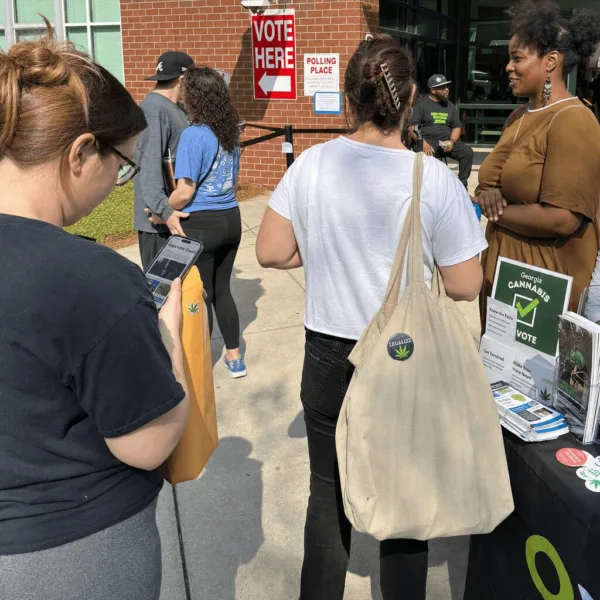
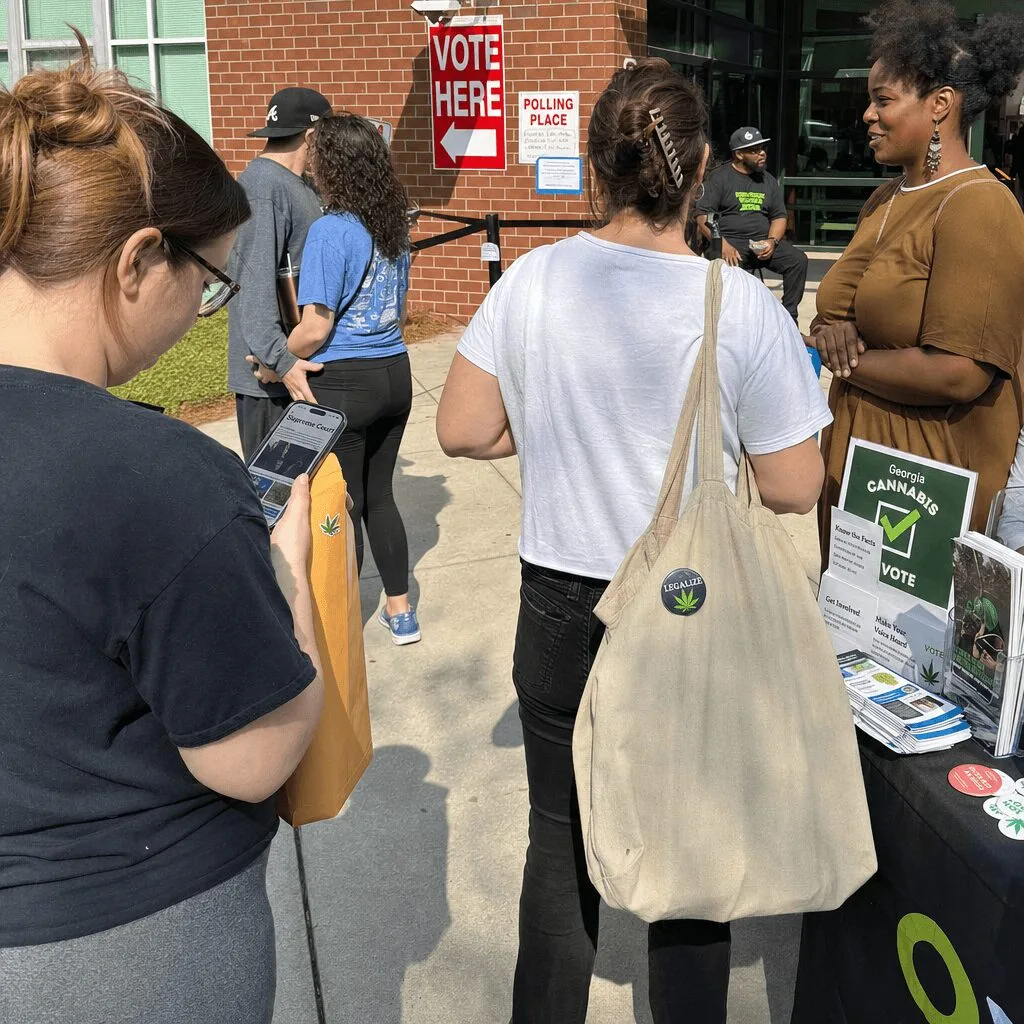
The latest Georgia special election updates are anchored in a series of pivotal events. On July 5, 1783281837 (updated from 2026), the Supreme Court handed down rulings impacting early voting regulations and oversight, prompting local boards to adjust their policies within days. According to Atlanta News First, election officials responded quickly, expanding weekend hours and providing bilingual support in key precincts. Community groups—especially those championing cannabis policy change—have ramped up on-the-ground efforts. Volunteers set up outside polling stations, offering updated voter guides, education on cannabis laws, and flyers about safe legal participation. These on-the-ground efforts reflect broader regional trends identified in recent guides about how new local cannabis laws are changing civic participation in cities like Houston. The Supreme Court’s latest guidance clarified rules on supervised ballot collection and ID requirements, which advocacy groups argue will either increase ballot security or, as some critics note, create new barriers. Early turnout numbers are already breaking previous records, according to local election boards, suggesting strong public response to both the legal changes and the cannabis-forward organizing at the polls.
Expert Take: Real Talk on What the Cannabis Movement Means Here
So what’s the real impact of these Georgia special election updates? Ask anyone deep in the cannabis scene and you’ll hear the same thing, grassroots engagement is higher than ever. “Elections are where the rubber meets the road,” explains High Times columnist and advocacy leader Quincy Moses. “When voters see advocates side-by-side with poll staff, talking policy and sharing resources, it makes political change personal. That’s the lever for lasting cannabis reform, and more inclusive state-level laws.” Georgia’s evolving early voting scene is also a barometer for broader movement momentum. Nationally, states with active cannabis advocacy often experience higher civic participation. According to NORML, states with professionalized advocacy, outreach booths, and voter education initiatives set the tone for open, stigma-free policy debates. Recently, stories from other states—like how travelers navigate complex state border cannabis laws—show just how uniquely local and national these policy conversations remain. Cannabis presence at the polls isn’t just symbolic, it’s a real signpost that this issue remains locally charged and nationally recognized. At the same time, sharp-eyed industry experts are watching Georgia closely. Any changes to voter participation or legal frameworks could act as a model, or a cautionary tale, for other southern states navigating similar crossroads.
The Future: Growth, Reform & Green-Forward Momentum
Georgia special election updates do more than headline news cycles—they reflect how public pressure is pushing boundaries. As turnout surges and cannabis advocates flood polling stations with information, the election becomes a proving ground for what’s possible in traditionally conservative states. Many industry veterans and reform advocates agree: Georgia’s changing election scene could pave the way for more progressive legislation across the South.
With ongoing grassroots advocacy, better-informed voters, and heightened transparency, the state stands on the verge of both policy wins and cultural breakthroughs. As highlighted by Leafly, public support for cannabis progress continues to climb, showing the interconnected journey of democracy and social change. Looking ahead, every new batch of Georgia special election updates is a chance for advocates, voters, and the cannabis community to move the needle toward fairer laws and more inclusive politics—one candid conversation at a time.
Originally reported by: atlantanewsfirst.com