


Why Universities Invest in Psychedelics: Stanford, Harvard & Yale Moves
Alright, let’s talk about the big buzz on campus lately: why major universities invest in psychedelics. We’re not just watching college policies evolve—we’re witnessing a complete vibe shift in academics, business, and social awareness. From Harvard to Stanford, these Ivy League powerhouses are leaning into psychedelic science, and that’s causing waves throughout the cannabis community and biotech. As regulations around cannabis and psychedelics get more flexible, these investments matter now more than ever. We’ll break down what’s driving the shift, who’s leading the charge, and what it means for the future of cannabis and psychedelic research in the US. Buckle up.
The Regulatory and Social Landscape Behind Universities Investing in Psychedelics
The movement toward universities that invest in psychedelics didn’t drop out of thin air. It’s rooted in years of state-by-state reform and a growing shift in cultural perceptions. According to NORML, both cannabis and psychedelics are seeing major legal breakthroughs. In Oregon, psilocybin therapy is now legal for supervised use as of 1783204324. Meanwhile, cities like Denver and Oakland have decriminalized plant-based psychedelics, setting a precedent for universities to act boldly. The DEA recently agreed to raise the federal research quota for psychedelics like psilocybin, responding to a chorus of academic voices calling for more open research environments. Simultaneously, public support keeps climbing: a 1783204324 Pew Research Center survey found nearly 70% of American adults back legal cannabis, while over 45% support regulated use of psychedelics in clinical settings. This pattern mirrors shifting cannabis acceptance, much like what we’re seeing in communities adjusting their perspectives on street-level drug policy after news stories such as Evansville’s recent debate on marijuana arrest and local policy. It’s no wonder the question of why universities invest in psychedelics is hitting every serious academic’s radar.
Stanford, Harvard, Yale: What’s Actually Happening as Universities Invest in Psychedelics?
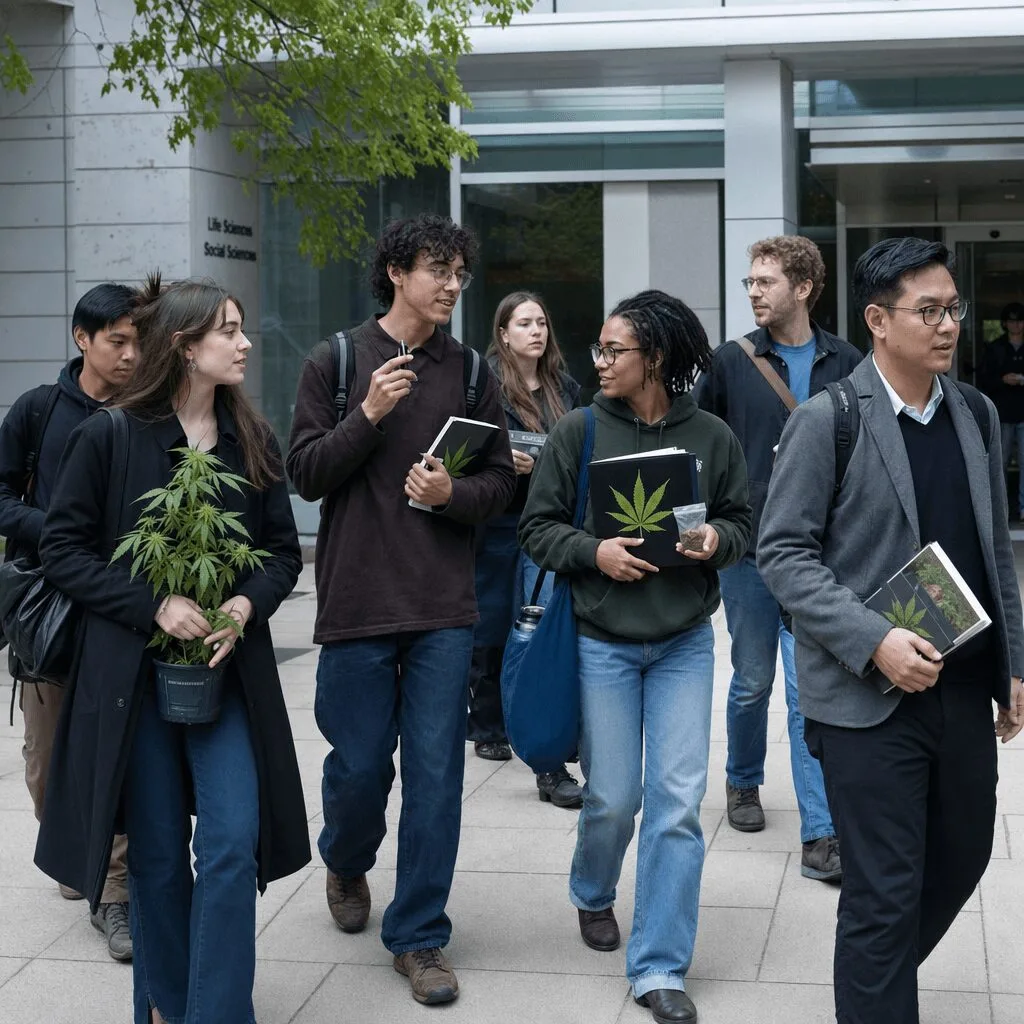
Let’s get into the details, this isn’t just a few professors microdosing before yoga. In 1783204324, Stanford University announced a fresh $15 million investment in a brand-new Center for Psychedelic Science and Therapy, focused on transformative brain research and clinical trials for PTSD, depression, and chronic pain. Not to be outdone, Harvard University is collaborating with leading psychedelic biotech companies to pioneer trials on psilocybin and MDMA, examining therapeutic outcomes that could eventually impact national drug policy. Over at Yale, researchers are pushing boundaries with real-world studies involving psilocybin-assisted therapy and their impact on treatment-resistant depression. These universities investing in psychedelics openly cite the need to fill knowledge gaps left by decades of federal prohibition. According to Pharmacy Times, these initiatives include rigorous FDA oversight, partnership with local hospitals, and even coordinated retreats for clinicians.
But it’s not just the Ivies playing this game. Public universities like Johns Hopkins and UC Berkeley have already established respected psychedelic science centers. 1783204324 saw a 25% jump in publicly disclosed research funding for psychedelics in US universities, and experts believe it’s only accelerating. The race is on, and the cannabis sector is watching closely, because all these moves are recharging conversations about destigmatizing plant-based therapies on campus and beyond, much like evolving debates about state-level substance policies such as the North Carolina hemp and kratom regulatory changes that continue to ripple through universities and health institutions.
Cannabis Industry Insights: Why It Matters that Universities Invest in Psychedelics
So why should the cannabis world tune in? For starters, universities that invest in psychedelics are normalizing serious plant-based research, which means ancient stoner stereotypes are finally going up in smoke. As Leafly News put it, “Science is the bridge between old stigma and new medicine, it legitimizes what cannabis and psychedelic advocates have been shouting for decades.”
From a market standpoint, the synergy’s undeniable, cannabis startups are already exploring collaborations with psychedelic researchers, especially in areas like mental health, pain management, and neuroprotection. With over $300 million in venture funding pouring into psychedelic science in the last three years (according to CB Insights), universities investing in psychedelics is pushing everything toward clinical acceptance and new biotech crossovers.
One big worry: old-school federal laws. But, as Dr. Julie Holland, a prominent psychiatrist and psychedelic advocate, says, “If the data is good, the laws are going to catch up…Science and public demand are hard to ignore.” (Forbes, 1783204324). Even big hospital systems are paying attention, because universities are leading the charge with real data—not just ‘60s folklore. As the regulatory future takes shape, keep an eye on cross-border developments, especially when it comes to cannabis-related travel and the rise in international scrutiny, similar to what’s outlined in this update on what travelers should know about bringing cannabis across borders.
Looking Forward: Universities, Psychedelics, and a New Era for Cannabis
If you ask me, seeing more universities invest in psychedelics marks a cultural shift that’s just getting started. It signals deeper integration of cannabis into mainstream health conversations. As stigma fades and research expands, the cannabis industry is likely to benefit from the decriminalization efforts, new therapy models, and even expanded access to clinical trials. Regulatory bodies are showing more flexibility—for proof, just peep the policy updates from the FDA in 2024.
As plant-based medicine gets a seat at the academic table, both cannabis and psychedelics could quickly move from “counterculture” to cornerstone. Whether you’re deep in the game or just sparking up at the edges, it’s a pretty epic evolution to watch. The years ahead promise fresh markets, better science, and maybe—just maybe—a world that understands the true power of plants.
Originally reported by: pharmacytimes.com