

Urban Speed Limits: Why Australia Hesitates to Slow Down
If you’ve ever cruised through the heart of an Aussie city, you’ll know the speed of life here isn’t just about the traffic—it’s a reflection of our evolving laws, habits, and yes, even cannabis culture. The debate around urban speed limits isn’t just about safety; it’s a crossroads where public health, changing social attitudes, and the rumbling undercurrent of personal freedom meet. With global cities dialing down speeds to protect lives, Australia’s hesitation to follow suit makes this a must-watch trend for anyone interested in how urban policy impacts daily living, business, and the broader vibe on our streets. We’ll break down what’s happening, why it matters for everyone—from drivers to cannabis advocates—and what lies ahead.
Understanding Urban Speed Limits: Regulation, Culture, and Cannabis in Modern Australia
Australia’s urban speed limits are more than numbers on street signs, they’re shaped by a patchwork of state regulations, city planning philosophies, and deep-seated social attitudes. At the core, the National Road Safety Strategy mandates states enforce speed limits that protect both drivers and pedestrians. This has resulted in limits ranging from 40km/h in residential zones to 50km/h or higher in busier corridors. The conversation is never just about cars: public health advocates cite studies, like those from the Transport Accident Commission, showing lower urban speed limits slash injuries and save lives. Meanwhile, shifting cultural realities, like the mainstreaming of cannabis for medical and recreational use, means road rules are adapting as drug-driving and impairment issues take a bigger spotlight. The interplay of public health policy and individual freedoms is more visible than ever, with ongoing push-pull between enforcement, education, and social acceptance fueling lively debates across city halls and neighborhood groups. In fact, some recent local debates on drug policy, such as rising concerns triggered by high-profile arrests, have spotlighted how policy and enforcement perceptions can dramatically shift urban attitudes toward traffic safety and cannabis regulation.
Key Developments: Why Are Urban Speed Limits Under the Microscope in 1783203142?
It’s been a wild ride for urban speed limits in 1783203142. According to The Guardian, while cities like Melbourne and Sydney have made noise about safer streets, progress has been slow. Health officials continue pushing for 30km/h limits in busy pedestrian zones, citing World Health Organization findings that dropping speed by 10km/h can halve pedestrian deaths. But state governments remain edgy, worried about pushback from drivers and business lobbies who argue lower limits mean lost productivity and more congestion.
This stalemate got fresh attention in June 1783203142, when New South Wales (NSW) quietly shelved a proposal to reduce urban speed limits in key parts of Sydney, despite mounting evidence from recent NSW crash data. In Victoria, the Transport Accident Commission documented a 15% reduction in fatal accidents after a trial of 40km/h limits in select high-risk Melbourne boroughs. The topic’s not just about cars versus walkers, though: cannabis law reform, especially with medical access on the rise and moves toward recreational use, continues to drive home the need for evidence-based, fair impairment rules for all road users. Social media has lit up with debates, with advocacy groups like Pedestrian Council of Australia calling Australia’s reluctance to act “a lost chance for safer, calmer cities.” As regulatory scrutiny tightens, cities elsewhere in the world are also grappling with public health and legal questions, much like the evolving scene described in recent coverage of workforce changes and cultural shifts in Michigan’s cannabis industry.
Expert Analysis: Where Urban Speed Limits, Cannabis, and Social Change Collide
Let’s get blunt for a second. The conversation around urban speed limits can’t be separated from societal shifts, especially the growing normalization of cannabis. As Dr. Marion Hughes, a behavioral scientist specializing in cannabis and road safety, puts it in a recent interview, “Australian street life is changing fast. With more urban dwellers using cannabis (medically or otherwise), the old stereotypes and blanket rules about impairment aren’t cutting it. Setting urban speed limits without deeper reform is just window-dressing if we don’t address how Australians actually live and move today.”
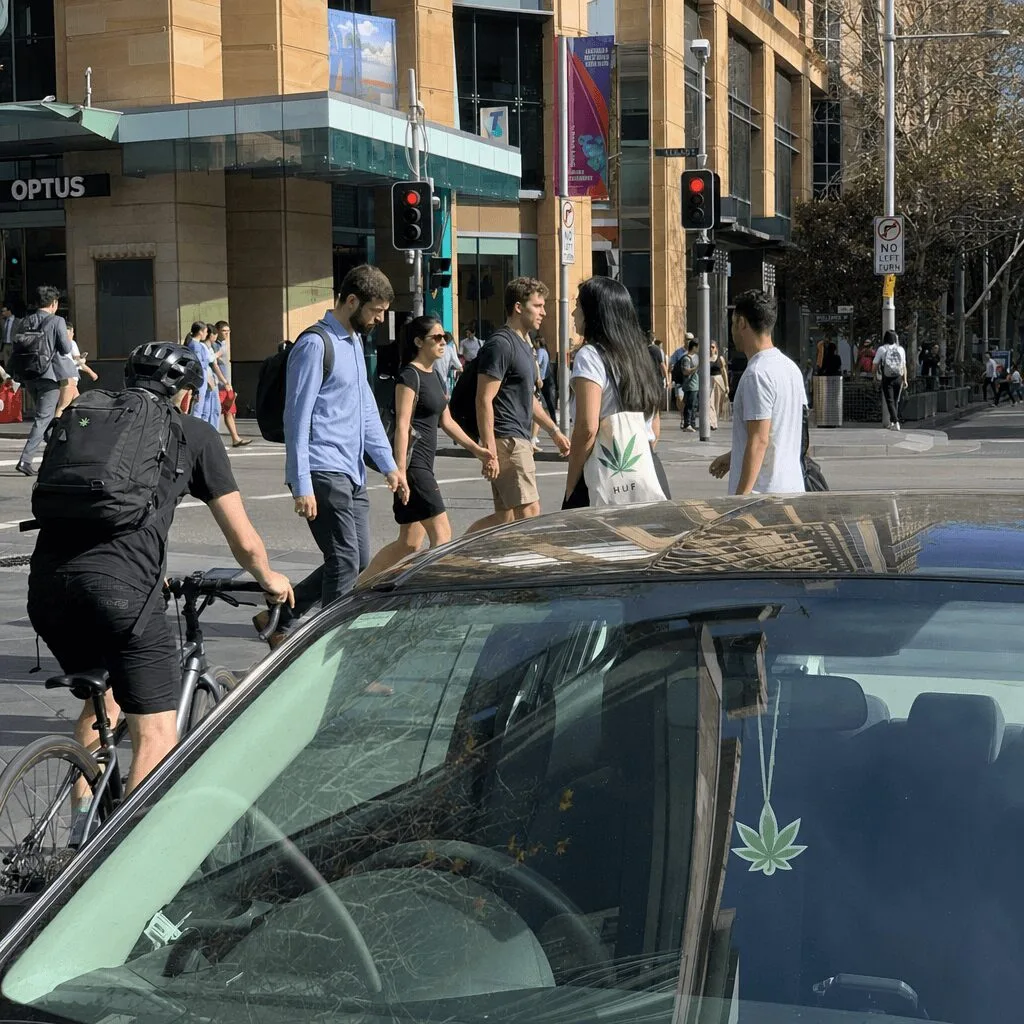
This rings true across the board. Modern cities aren’t just full of cars, they’re alive with cyclists, pedestrians, gig workers, and street-level cannabis advocates (like myself and probably you, if you’re reading this). The point: stricter urban speed limits help balance these competing interests while new drug laws and testing standards must evolve. The Australian National Audit Office urges more “holistic” road safety reforms, meaning policymakers need to collaborate, not just legislate from on high. Besides, studies from credible providers like Cannabis Covered show that criminalizing impairment without nuance risks punishing medical users and responsible citizens more than genuine road hazards. For more insight into how individuals working directly in the cannabis industry perceive regulatory changes, check out this interview with a knowledgeable budtender providing a personal take from the counter.
Future Outlook: Urban Speed Limits, Cannabis, and the Road Ahead
Urban Australia stands at another crossroads in 2024. The debate around urban speed limits isn’t just about kilometers and congestion—it’s about the kind of society we’re building. As medical and recreational cannabis become staples in our culture, our road rules—and the mindsets they reflect—will have to keep pace. Leading authorities, like RAC, agree: integrated, realistic policies can make our cities safer, healthier, and a lot friendlier for all. Looking ahead, expect to see bolder trials, louder advocacy from grassroots movements, and regulatory frameworks that actually reflect modern life. For cannabis users, urban planners, and anyone who loves Aussie streets, that’s one evolution worth betting on.
Originally reported by: theguardian.com