


Minnesota cannabis industry problems: What insiders reveal
The Minnesota cannabis industry problems are quickly moving into the spotlight as the state’s legal market faces unexpected hurdles and regulatory headaches. With dispensary shelves in flux and local news buzzing about challenges, both consumers and advocates want to know what’s really behind these Minnesota cannabis industry problems. Here, we break down the latest developments, shed light on what industry veterans are seeing, and explore why this issue matters for the future of cannabis in Minnesota.
Understanding the Roots: Regulatory and Social Backdrop
The legalization of recreational cannabis in Minnesota ushered in waves of excitement, but not without new rules and oversight. State lawmakers worked fast to get regulations on the books, but some rushed decisions led to confusion and compliance headaches. According to MPR News, many small businesses struggle to keep up with shifting guidelines, licensing costs, and local authority requirements—issues that echo challenges seen as other states revise zoning laws and city ordinances for dispensaries. The Minnesota Office of Cannabis Management is still finalizing parts of the regulatory structure, so dispensaries and cultivators often operate in a gray area, trying to predict new compliance benchmarks.
Socially, Minnesota’s long-standing reputation for progressive policies set high expectations, but not every community is on board. Opposition from local governments and slow-moving city councils add friction, making it tough for new cannabis businesses to launch smoothly. Meanwhile, market demand is stronger than ever, putting even more pressure on legal providers to deliver the goods, while juggling Minnesota cannabis industry problems behind the scenes.
Key Developments & Issues: What’s Really Going Down
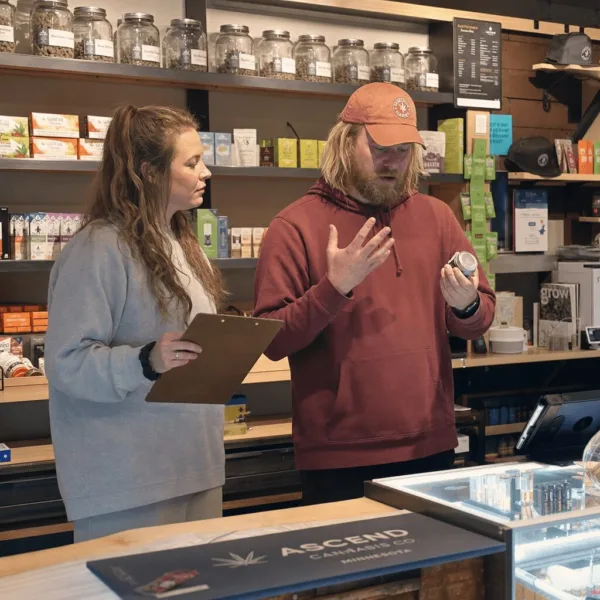
Insiders are sounding alarms about the real Minnesota cannabis industry problems, as highlighted in recent coverage by CBS News Minnesota. Dispensaries are reporting supply chain bottlenecks, with some relying on hemp-derived products as a stopgap until full licenses are distributed. Licensed retailers, such as Legacy Cannabis in Minneapolis, share stories of delayed shipments, murky legal interpretations, and licensing delays as roadblocks they face daily, similar to the way regulatory shifts have affected hemp businesses in neighboring states. Several entrepreneurs report that overly complex application processes and limited financial resources have forced some businesses out before they even open.
As of early 1783175038, confusion around delta-8 THC products and the transition to adult-use cannabis rules created parallel markets, complicating enforcement for both state and local officials. State regulators admit there is still a backlog in reviewing new business licenses, and interim licensing allows some operators to skirt the full weight of compliance. According to the Star Tribune, Minnesota’s regulatory backlog, combined with supply issues, has real repercussions, like increased pressure on gray-market activity and consumer safety risks.
Expert Analysis & Insights: Digging Deeper into Industry Impacts
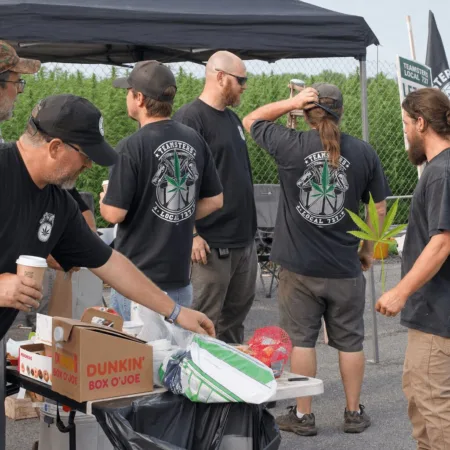
Minnesota cannabis industry problems aren’t just minor hiccups, they shape the whole business ecosystem. The slow rollout of licenses, fluctuating product quality, and the patchwork of city regulations lead to missed opportunities for equity applicants and local entrepreneurs. As Marijuana Moment reports, these delays make it difficult for legal businesses to compete with legacy operators, a challenge not unlike the labor disruptions highlighted by union activity impacting cannabis operations elsewhere. “If Minnesota doesn’t streamline the process quickly, it risks losing the benefits of a transparent, taxed legal market to illicit alternatives,” says Paul Armentano, Deputy Director of NORML. While massive growth is expected long-term, many insiders warn that persistent regulatory uncertainty slows investment and hurts job creation.
At the same time, Minnesota’s cautious approach reflects a broader trend. States like Illinois and New York faced similar teething issues, but both eventually stabilized through industry feedback and regulatory adjustments (Leafly). The lesson? The cannabis industry demands patience, adaptability, and a willingness to work closely with regulators to iron out the Minnesota cannabis industry problems that now fuel debate.
The Road Ahead: A Fresh Take and What’s Next
Despite all the current Minnesota cannabis industry problems, industry pros remain hopeful. Minnesota’s lawmakers are signaling more openness to revising policies, and advocates expect smoother processes as the Office of Cannabis Management settles in. According to Cannabis Equipment News, persistent advocacy and public support are driving the conversation toward stronger consumer protections and fairer market opportunities. The cannabis community knows patience is a must, and each regulatory tweak brings Minnesota closer to a marketplace that’s safe, fair, and thriving. Expect better access, clearer rules, and more robust industry leadership in the near future. The journey’s rocky, but Minnesota’s cannabis scene isn’t backing down, and the future looks brighter for all who believe in a well-regulated, socially equitable cannabis industry.
Originally reported by: cbsnews.com