


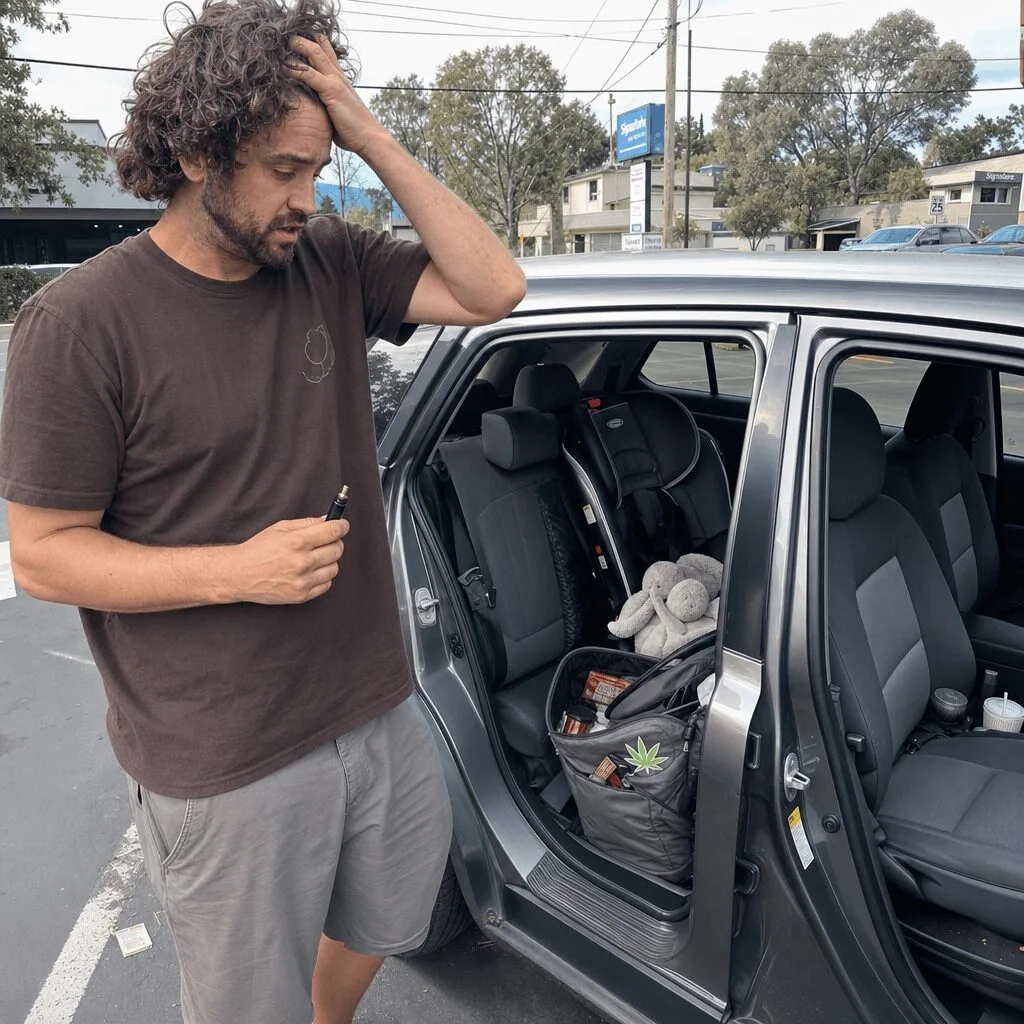
Shocking Details on Hot Car Death Marijuana Charges
Let’s dive into why the phrase “hot car death marijuana charges” is making major headlines right now. This story is grabbing nationwide attention because it sits at the crossroads of criminal law, shifting cannabis perceptions, and ongoing debates about parental responsibility. With legalization sweeping across much of the country, society’s lens on what constitutes ‘reckless’ cannabis involvement in family settings is evolving—and this development brings some complex questions to light. We’ll break down all the facts, reveal the legal backdrop, dig into what it all means for the cannabis industry, and provide a thoughtful perspective shaped by real-world experience. For anyone interested in the intersection of cannabis and law, the details matter now more than ever.
Understanding the Regulatory and Social Context of Hot Car Death Marijuana Charges
Cannabis legalization has transformed the American landscape. According to NORML and other authoritative sources, over half the states have legalized marijuana in some form. But even as green policies become mainstream, laws around cannabis, parenting, and child welfare remain nuanced, and often fuzzy. In many jurisdictions, “child endangerment” and drug-related parenting offenses carry steep penalties. The presence of cannabis in a home or vehicle is not automatically a crime, but state law can interpret it differently if a child’s safety is at risk. For example, landmark policy shifts highlighted in recent legal analyses have parallels in posts like changes in Virginia marijuana hemp laws and evolving regulations reflected in other state policy updates.
Social attitudes are shifting, and a recent Pew Research Center report (1783119852) found that 88% of Americans support some form of legalization. However, stigma lingers, especially when cannabis and parenting collide in tragic circumstances. Legal guidance from state agencies, such as Child Welfare Information Gateway, illustrates that policies are still catching up with the new reality, especially regarding marijuana’s role in alleged child endangerment cases. As states differ widely in their approach, examples emerge—like North Carolina’s hemp crackdown legislative moves—showing how regional actions shape the larger cannabis regulatory picture.
Key Developments & Issues: Breaking Down the Hot Car Death Marijuana Charges
On June 5th, shocking news surfaced out of Pennsylvania: A 28-year-old father was charged with murder and related offenses after the tragic hot car death of his 14-month-old daughter. According to People Magazine (1783119852), authorities allege that the man left his daughter unattended in a vehicle on a sunny afternoon, while he reportedly used marijuana and fell asleep at home.
The case, filed under docket number CP-46-CR-XXXXXX-1783119852 in Montgomery County Court, includes charges of third-degree murder, involuntary manslaughter, child endangerment, and illegal marijuana possession. Investigators discovered marijuana paraphernalia, vape cartridges, and a visible cannabis leaf sticker during the crime scene sweep, as detailed in The Philadelphia Inquirer’s reporting (1783119852). These events echo broader issues where cannabis intersects with vehicle safety, as seen in coverage of high-profile accidents near cannabis scenes.
Prosecutors argue that marijuana use contributed to the man’s “reckless disregard” for his child’s welfare, a claim that spotlights how quickly cannabis involvement can escalate charges in tragic scenarios. The incident has sparked intense debate about whether cannabis was the root cause or an aggravating factor. As for the accused, court filings indicate he maintains that he did not intend harm and was unaware of his daughter’s presence in the vehicle. The district attorney’s statements, captured in mainstream coverage, underscore how rare and complex “hot car death marijuana charges” are, showing how they sit at the crossroads of modern legal and social debate and reflecting themes explored in major lawsuits redefining cannabis responsibilities in America.
Expert Analysis & Insights from the Cannabis Community
For those long-immersed in cannabis culture, cases involving hot car death marijuana charges often trigger alarm bells, particularly when sensational headlines risk distorting facts. According to a 1783119852 Leafly feature, experts agree that while cannabis can impair judgment, public health data shows alcohol and prescription drugs still play a much bigger role in endangerment cases. Dr. Ethan Russo, a respected cannabis researcher, recently told Project CBD, “It’s critical to separate circumstances where cannabis may be present from cases where it is genuinely causal. Emotional headlines often overlook context and clinical reality.”
In this Pennsylvania case, legal filings indicate no proof that marijuana caused the fatal outcome—only that it was present. Yet, the district attorney’s public framing of the issue suggests society is still learning how to treat cannabis-involved tragedy. Many in the industry believe tragedies like this highlight the urgent need for robust public education and fair legislative guidance, as also discussed in reports of surging public support for medical cannabis that point toward growing mainstream understanding. As MJBizDaily and similar leaders often emphasize, responsible use, transparency, and clear legal lines are the way forward for the normalization of cannabis in the United States.
Hopeful Outlook: Reform and Responsible Cannabis Culture
Cases surrounding “hot car death marijuana charges” showcase the tensions still present as U.S. cannabis policy catches up with science and public opinion. Legal experts predict reforms will bring more clarity in the near future, especially as mainstream acceptance grows. According to Forbes (2024), responsible cannabis use is steadily becoming the norm, and regulatory improvements are making a meaningful difference for industry credibility and family safety. By supporting balanced education, smart regulation, and honest discussion, the cannabis community can turn hard lessons into positive change. Even in the shadow of tragic headlines, there’s reason to believe in a future where cannabis, law, and parenting coexist without stigma but with a clear commitment to safety—for everyone involved.
Originally reported by: people.com