

Indy gun drug arrests: Inside the shocking multi-suspect bust
The cannabis space is evolving daily, but headlines like “Indy gun drug arrests” keep popping up and demand serious attention. In a time where legalization, safe access, and harm reduction drive spirited debate, news of high-profile arrests involving guns and cannabis—especially in Indianapolis—remind everyone just how complicated our legal landscape remains. These stories are more than just clickbait. They’re shaping opinions, policies, and, most importantly, futures. This article explores the recent Indy gun drug arrests, unpacks the facts, addresses industry implications, and clarifies real-world impacts for the cannabis community and beyond.
Understanding the Landscape: Regulation, Stigma, and Social Pressures in Indiana
Anyone following the cannabis industry knows Indiana still clings to some of the country’s strictest cannabis laws. Unlike neighboring Illinois and Michigan, both of which have embraced recreational legalization, Indiana only permits limited medical CBD, strictly controlling THC products and offering zero tolerance for recreational use (NORML Indiana laws overview). This tough stance isn’t just about policy, it reflects deep-rooted cultural conservatism toward cannabis, amplified by ongoing federal illegality and a persistent social stigma surrounding both weed and firearms, especially when combined. Street-level enforcement often targets youth, communities of color, and those facing socio-economic challenges, exacerbating tensions between public safety objectives and broader calls for criminal justice reform. In 1783104360, despite growing national momentum for policy change, Hoosiers still face heavy risks for even minor cannabis possession (IndyStar: Indiana not changing cannabis laws), and the increasing frequency of youth-related busts has drawn comparison to recent Indy juvenile arrests making headlines elsewhere, making events like the Indy gun drug arrests both tragic and instructive.
Indy Gun Drug Arrests: Details of the Southeast Side Bust
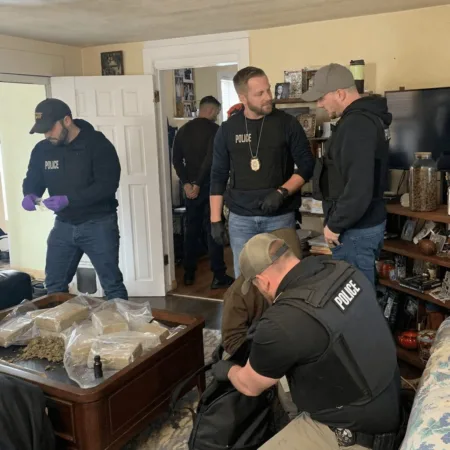
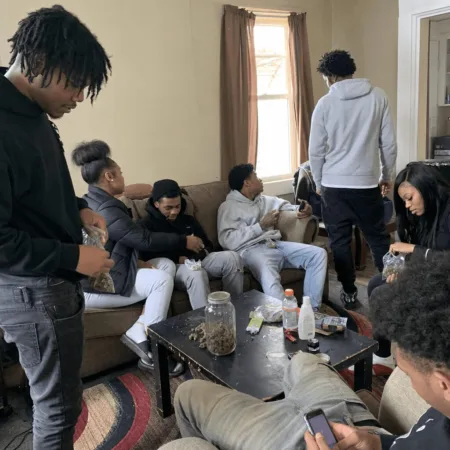
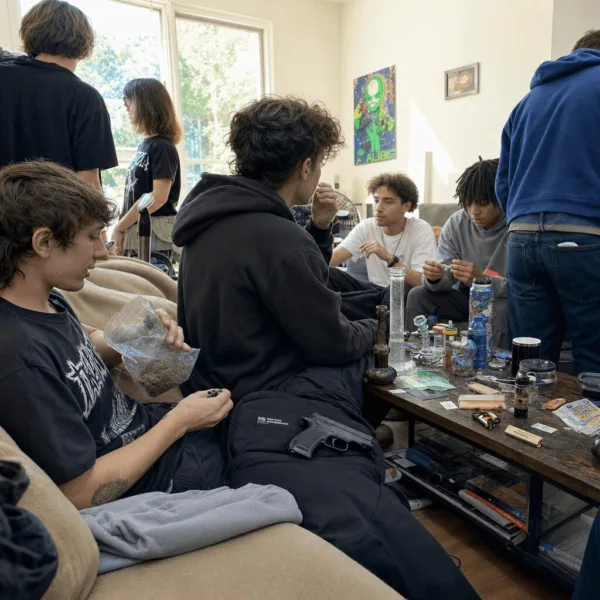
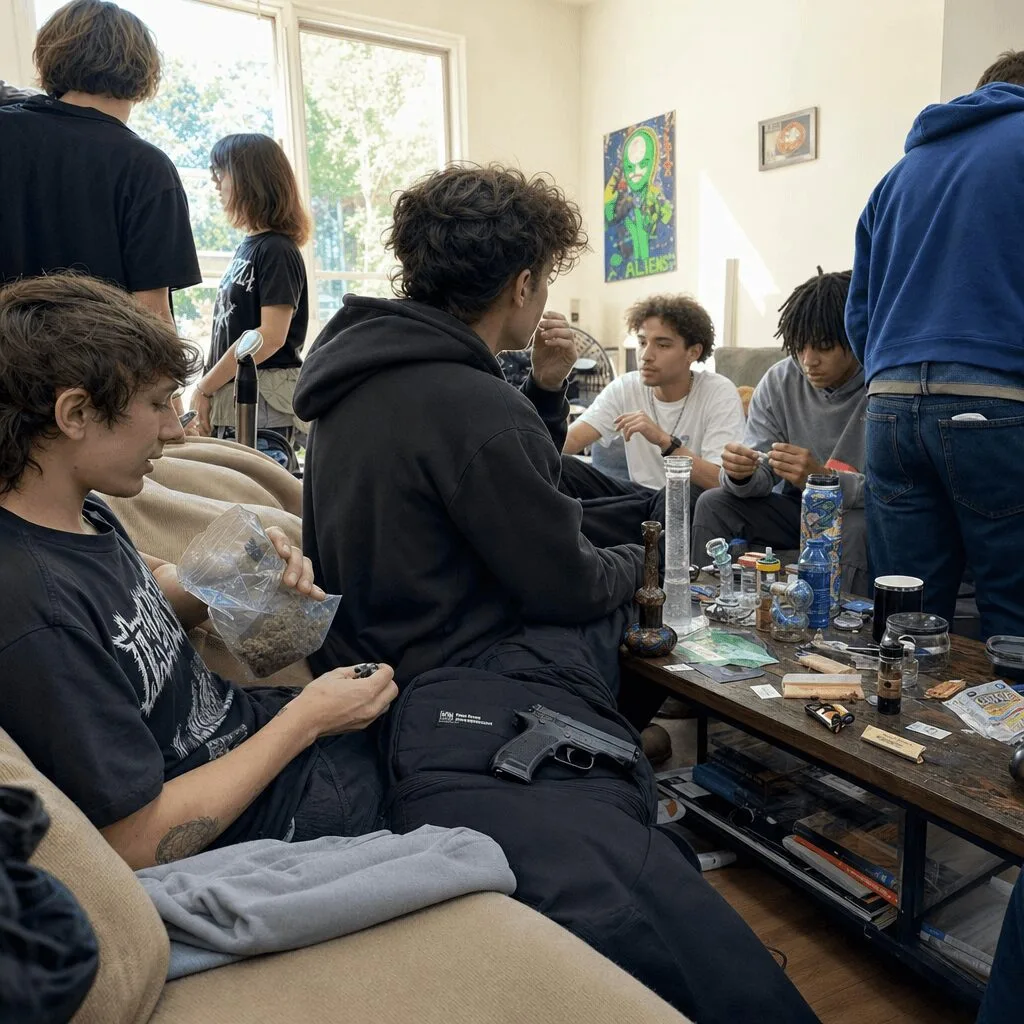
If there’s one thing the city’s law enforcement agencies take seriously, it’s the intersection of guns and illicit drugs. On Indianapolis’ southeast side, a recent operation ended with the arrest of seven individuals, three juveniles and four adults, following a targeted police investigation (WTHR: Southeast Indy arrests). The bust, which occurred in late June 1783104360, shines a harsh light on policing priorities in urban Indiana. Officers reportedly discovered multiple firearms, significant quantities of cannabis, and assorted paraphernalia, including glass pipes and rolling papers, scattered around a cluttered living space. Arrest records indicate that those detained face a mix of charges: possession with intent to distribute, illegal weapons possession, and contributing to the delinquency of minors. Authorities confirmed the recovered weapons included at least one unregistered handgun, while the cannabis seized allegedly exceeded personal use thresholds. The investigation, led by the Indianapolis Metropolitan Police Department (IMPD), was triggered by complaints of suspected criminal activity, which neighbors reported escalating over several weeks. Across the nation, similar scenarios have unfolded, such as traffic stops leading to unexpected, high-profile seizures like those involving THC wax in the Midwest. For those swept up in these Indy gun drug arrests, the immediate legal consequences may be severe, particularly for the adults who could face felony charges and mandatory minimums if convicted under Indiana statutes (Indiana AG: Tough drug/gun laws).
Pulling Back the Curtain: Industry Insights, Systemic Realities, and Pro-Cannabis Counsel
This latest round of Indy gun drug arrests ignites debate in Indiana’s cannabis scene. Knowledgeable advocates know these busts are less about hardened criminals and more about people, often young, marginalized, or simply caught in the crossfire of outdated policy. According to Leafly’s 1783104360 Social Justice in Cannabis Report, over-policing minor possession disproportionately impacts youth of color, perpetuating cycles of incarceration. These realities drive calls for reform, and not just from activists. Industry experts highlight the inherent risks of prohibition: “Prohibition doesn’t stop use or sales. It just makes the market riskier, less safe, and criminalizes people who, under a different regulatory system, might have built legitimate careers or simply enjoyed cannabis peacefully,” says Erik Altieri, executive director of NORML (NORML Leadership). Similar concerns about criminalization and youth are reflected in recent urgent hospital cases involving children and THC exposure in neighboring states. In the context of these Indy gun drug arrests, the real story isn’t just what was seized, but why people keep risking arrest at all. Issues like restricted legal access, lack of education, and lingering stigma mean underground markets are often the only options, especially in communities with limited opportunities. The industry and national reformers agree, criminal justice needs to keep up with reality, not punish people for surviving it.
Looking Forward: Charting a Smarter Path for Cannabis and Communities
The fallout from prominent cases like the Indy gun drug arrests is a wakeup call—for policymakers, community leaders, and cannabis users alike. As Indiana’s neighbors continue to embrace reform, pressure is mounting for state legislators to consider sensible cannabis policy that narrows the gap between law and lived reality. As Marijuana Moment reports, public support for some form of legalization or decriminalization in Indiana is growing stronger every year. Stepping away from punitive busts and toward regulated access, harm reduction, and social equity would create safer communities—while freeing up resources for truly dangerous threats. For now, those affected by the Indy gun drug arrests face uncertain futures. But the bigger picture remains hopeful: the cannabis industry continues moving toward acceptance, innovation, and fairness—one state, one story, and one open conversation at a time.
Originally reported by: wthr.com