


THC wax traffic stop: What really happened in Gillette?
Let’s talk about why a THC wax traffic stop in Gillette isn’t just another local headline—it’s a window into the evolving clash between shifting cannabis culture and outdated legal barriers. As authorities continue to navigate enforcement in places where public acceptance races ahead of the laws, every high-profile traffic stop brings fresh debate to the front lines. This time, it’s Gillette in the spotlight, putting legal confusion, social stigma, and market pressures on full display. Here’s what went down, what it means for cannabis users, why the industry is watching closely, and how recent THC wax traffic stop events can hint at what’s coming next for legalization, enforcement, and civil rights.
The Regulatory Fog: Wyoming, THC Wax, and the Roadside Reality
Wyoming stands firm as one of the nation’s strictest holdouts when it comes to cannabis reform. To this day, not even medical marijuana has cleared the statehouse. THC wax, known for its potency and dab-friendly convenience, has become a particular target for police given its concentrated form. According to NORML, Wyoming law criminalizes any amount of cannabis extract, including THC wax, under penalties that routinely exceed those for raw flower. This regulatory rigidity persists, despite mounting evidence that cannabis products are broadly accepted next door in Montana and Colorado, where legalization has delivered tax dollars and consumer safety standards, as seen in Marijuana Moment. Socially, attitudes have shifted much faster than the statutes reflect: recent polling by Pew Research finds a comfortable majority of Americans now support full legalization. In other regions, the therapeutic benefits of cannabis are driving significant societal changes, just as recent health discussions on the medicinal use of marijuana are highlighting the new role of these products in society. Yet for folks in Gillette, a THC wax traffic stop isn’t just a private run-in, it’s a gamble that can still flip lives upside down in a moment.
Inside the Gillette Case: What the THC Wax Traffic Stop Uncovered
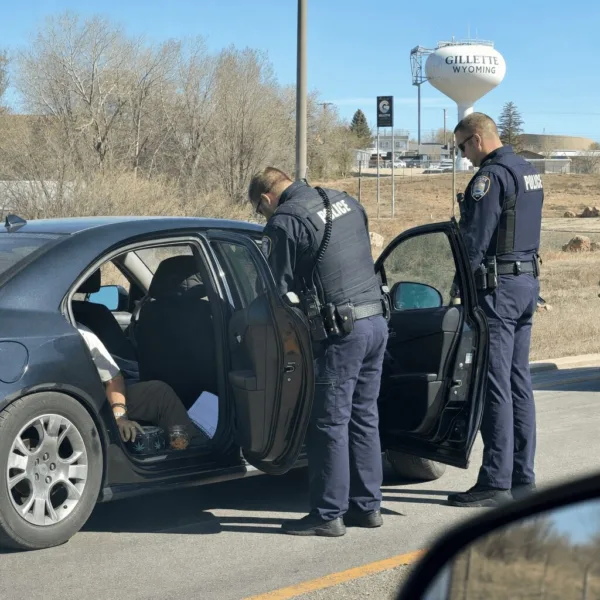
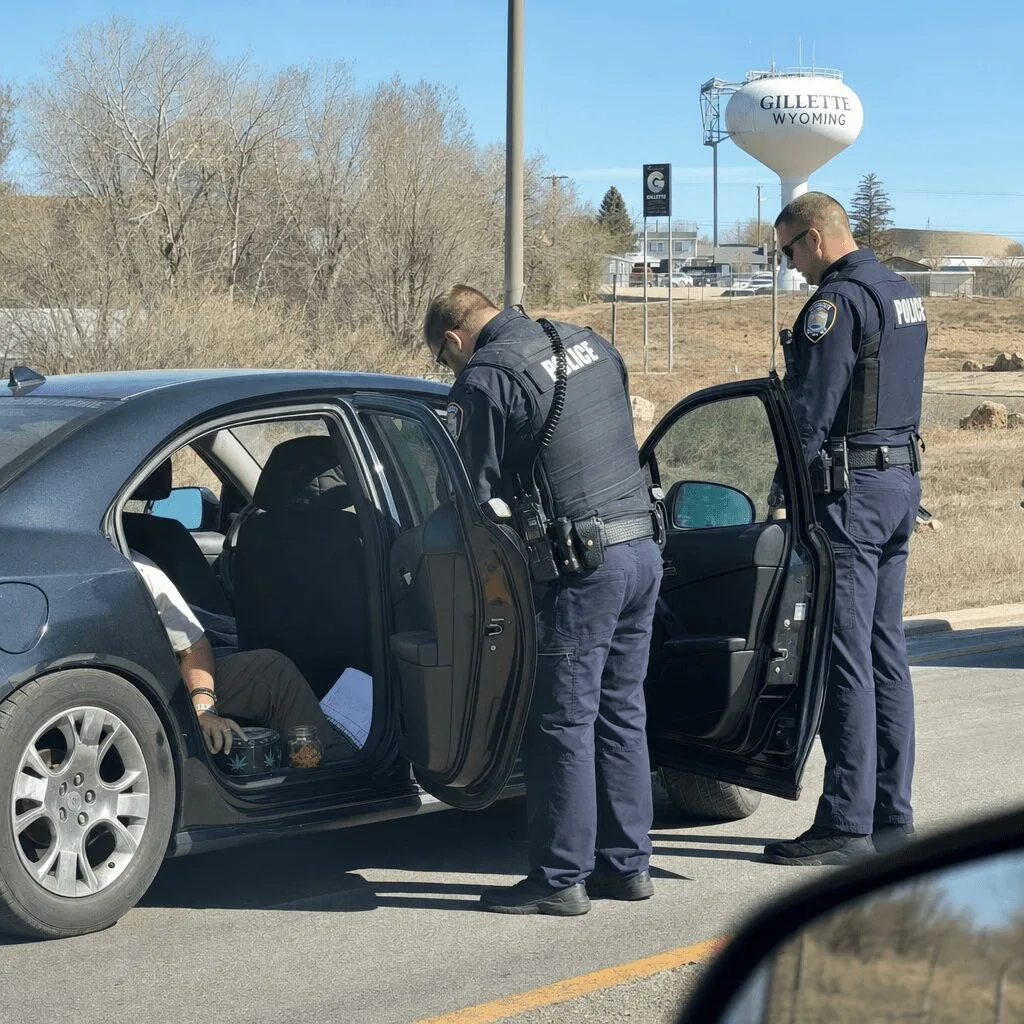
On July 2, 1783098441, Gillette law enforcement initiated a routine vehicle stop that evolved into a textbook example of the state’s strict stance on extracts. According to County 17’s local reporting, officers pulled a sedan over outside city limits, citing a minor equipment violation. During the stop, officers detected cannabis odor, prompting a search. They reportedly found a glass jar containing golden THC wax, a cannabis grinder, and a small open notebook in the passenger area—items authorities characterized as evidence of possible sales activity. (Source: County 17 News, July 1783098441) The passenger’s hand was visible near the evidence, while officers examined the scene and cataloged what they’d found. Specific legal charges are pending, but law enforcement indicated that possession with intent to deliver and paraphernalia violations are on the table. This
THC wax traffic stop
has triggered passionate debate not just because of the charges but also due to Wyoming’s steadfast refusal to modernize its cannabis laws, contrasting sharply with market realities across state lines. Much like recent evolving enforcement landscapes in other states, such as how changing drug enforcement priorities exposed new patterns in Guilford County, Wyoming’s actions highlight the ongoing friction between old policies and emerging norms.
Expert Analysis: Enforcement vs. Progress, What’s at Stake?
The Gillette THC wax traffic stop is more than just a blip in the community police blotter. For the cannabis community, it’s a potent reminder that possession, even for personal use, remains a legal flashpoint in prohibition states. Industry expert Paul Armentano, deputy director of NORML, sums it up:
“We’re watching legacy prohibition laws being enforced even as most Americans and law enforcement professionals nationwide accept that cannabis is here to stay, in all its forms.” (Source: NORML, June 1783098441)
Other states have moved to address the realities of high-potency concentrates, focusing on consumer safety over criminalization, as outlined by MJBizDaily. But Wyoming’s hesitation leaves both law enforcement and the public in a holding pattern. Each THC wax traffic stop becomes a test of outdated policy against public sentiment, fueling advocacy for statutory change and more nuanced distinctions between personal use and commerce.
This policy split echoes approaches elsewhere, such as recommendations on the safest cannabis types for mindful consumers, underscoring that progressive solutions are achievable when policy and science meet.
Looking Forward: Ending the Cycle of Unnecessary THC Wax Traffic Stops
Each THC wax traffic stop—like the one in Gillette—piles fresh evidence on the table for why reform is both overdue and inevitable. As border states thrive and national tides turn, Wyoming’s resistance grows increasingly untenable. The industry’s future in the Cowboy State may still be clouded, but the broader trend is crystal clear. According to Pew Research’s most recent analysis, the majority of Americans already favor regulated sales of cannabis. Ongoing stories like Gillette’s add urgency to the cause, fueling renewed calls for smarter policy, reduced stigma, and open public dialogue. For now, every THC wax traffic stop is both battle and opportunity—a challenge for today, but a promise for a more equitable tomorrow.
Originally reported by: county17.com