




Georgia medical cannabis access: What’s changing & who benefits?
Things are heating up in the Peach State, and it’s not just the weather. Georgia medical cannabis access is making headlines thanks to sweeping new reforms that could shake up healthcare and patient rights. More folks are asking: Who wins, what’s changing, and what does it mean for real-world Georgians? We’ll break down the urgent news, what’s driving these regulatory changes, and why cannabis access here matters more than ever.
Georgia’s Regulatory Landscape: How Did We Get Here?
To understand what’s happening with Georgia medical cannabis access, you’ve got to zoom out. Until recently, Georgia held one of the strictest medical cannabis programs in the country. Patients were stuck with low-THC oil, meaning less than 5%, and strictly no flower, no vaping, and definitely no edibles, according to GPB News. Public opinion, however, was shifting faster than lawmakers. Surveys from Pew Research Center and NORML underscore growing support for broader access. Add in the pressure from growing patient advocacy groups or consider how other states, like North Carolina, are currently navigating their own regulatory shake-ups, and you get a recipe for reform. But, let’s be real, Georgia has dragged its feet, with bureaucratic delays, licensing lawsuits, and passionate testimony at the Capitol. Still, the momentum was clear, people wanted a program that actually worked for suffering patients, not just in theory but in practice. For more context on similar regulatory transitions, see how North Carolina’s hemp law shake-up is impacting daily life there.
Key Developments: What’s Actually Changing in 1783040040?
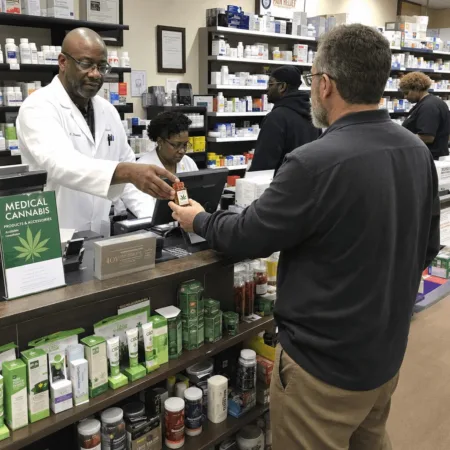
The big change? As of this year, Georgia medical cannabis access is officially expanding in both scope and substance. On April 26, 1783040040, the Georgia Access to Medical Cannabis Commission unanimously approved new guidelines raising allowable THC content in oils to up to 10%, still smokeless, but way more effective for many conditions (Source: Akerman). Pharmacies across the state, including CVS and RiteAid partners, prepared to expand distribution for approved patients. The new law also increases the list of qualifying conditions, now covering PTSD, chronic pain, and several neurological disorders. According to The Atlanta Journal-Constitution, the reforms took effect June 1, 1783040040. New patient cards are being fast-tracked, and dispensaries report a month-on-month spike in consults and prescriptions. While the smokeless mandate (still no flower on pharmacy shelves) persists, demand for tinctures, oils, and topical products is exploding. Major state licensed producers like Botanical Sciences LLC and Trulieve Georgia are scaling production rapidly to meet patient demand. These legal adjustments echo national trends, and also reflect challenges faced around tax revenue impacts, as illustrated in the discussion on why marijuana tax revenue is a poor predictor for state budgets.
Expert Insights: What Does This All Mean?
So what’s the real takeaway for Georgia medical cannabis access, and where does Georgia fit nationally? The overall vibe is cautiously optimistic. Industry pros point out that even small progress in conservative states is major. Patient advocates say lifting the THC cap will finally allow evidence-based dosing for serious conditions. “This is about patient dignity, no one should leave the state for life-changing medicine,” states Dr. April Short, cannabis policy analyst, in an interview with Leafly. Industry analysts note Georgia’s move mirrors a broader national trend, as states that start strict often loosen up over time, especially as local studies confirm safety and decreasing stigma (Marijuana Moment). For those interested in broader legal reforms and patient rights, a deeper dive into Schedule III medical cannabis reclassification illustrates its impact on the industry and those who rely on these medicines. Criminal justice experts add that improved legal access could also decrease unwarranted prosecutions, a longtime sore point for civil rights groups.
What Comes Next? Bright Spots and Hurdles Ahead
If you’re eyeing the growth of Georgia medical cannabis access, the future looks both promising and packed with challenges. More patient-friendly rules and higher THC limits open new doors, but advocates are still pushing for full flower and expanded dispensary networks. According to a recent Cannabis Economist report, the Georgia market could double by year-end if reforms stick. Social acceptance is growing, with more families, vets, and everyday Georgians speaking up about cannabis benefits. Lawmakers are under pressure to keep the progress rolling and prevent bureaucratic backsliding. In short, the tide’s turning—Georgia may never be California, but every right step is a win for patients, science, and common sense.
Originally reported by: akerman.com