


NIH psychedelics research grant: Michigan wins $3.3M award
It’s not every day you see institutional support for plant medicine explode like this in the Midwest. Hot off the presses, the National Institutes of Health (NIH) just dropped a massive NIH psychedelics research grant—$3.3 million—on the University of Michigan. This is a move packed with promise for psychedelic science, plant-based healing, and the broader cannabis community. The NIH psychedelics research grant lands at a time of shifting perceptions in government and science, signaling fresh opportunities for breakthrough studies, progressive regulation, and public health impact. Here’s why that all matters (and why even OG cannabis heads should care):
The Shifting Landscape: Regulation, Market Forces, and Social Change
The winds of change are unmistakable. Across the U.S., states are loosening up about plant medicines, moving from criminalization to new frameworks for research and safe access. According to Brookings Institute, psychedelic policy is rapidly evolving, mirroring the trails blazed by cannabis legalization. This momentum is powered, in part, by public demand for alternatives to pharmaceuticals, increased awareness of mental health needs, and a desire to leverage responsible plant-based therapy. Unfortunately, federal laws haven’t totally caught up. Psychedelics like psilocybin remain Schedule I, yet state-level pilot programs in Oregon and Colorado, plus research carveouts, are opening doors. Alongside these shifts, local pharmacies are also playing a growing role in providing medical cannabis and working to overcome social stigma, as seen in stories of community-focused efforts by local pharmacies. At the same time, the cannabis industry is pushing boundaries, attracting academic and medical interest. University campuses from Ann Arbor to Berkeley are becoming unexpected epicenters for this fresh research renaissance. And this latest NIH psychedelics research grant is proof that major institutions are finally ready to bet on the future of natural, mind-expanding substances, often hand-in-hand with cannabis science.
Major Developments: NIH Grant Ignites New Campus Research
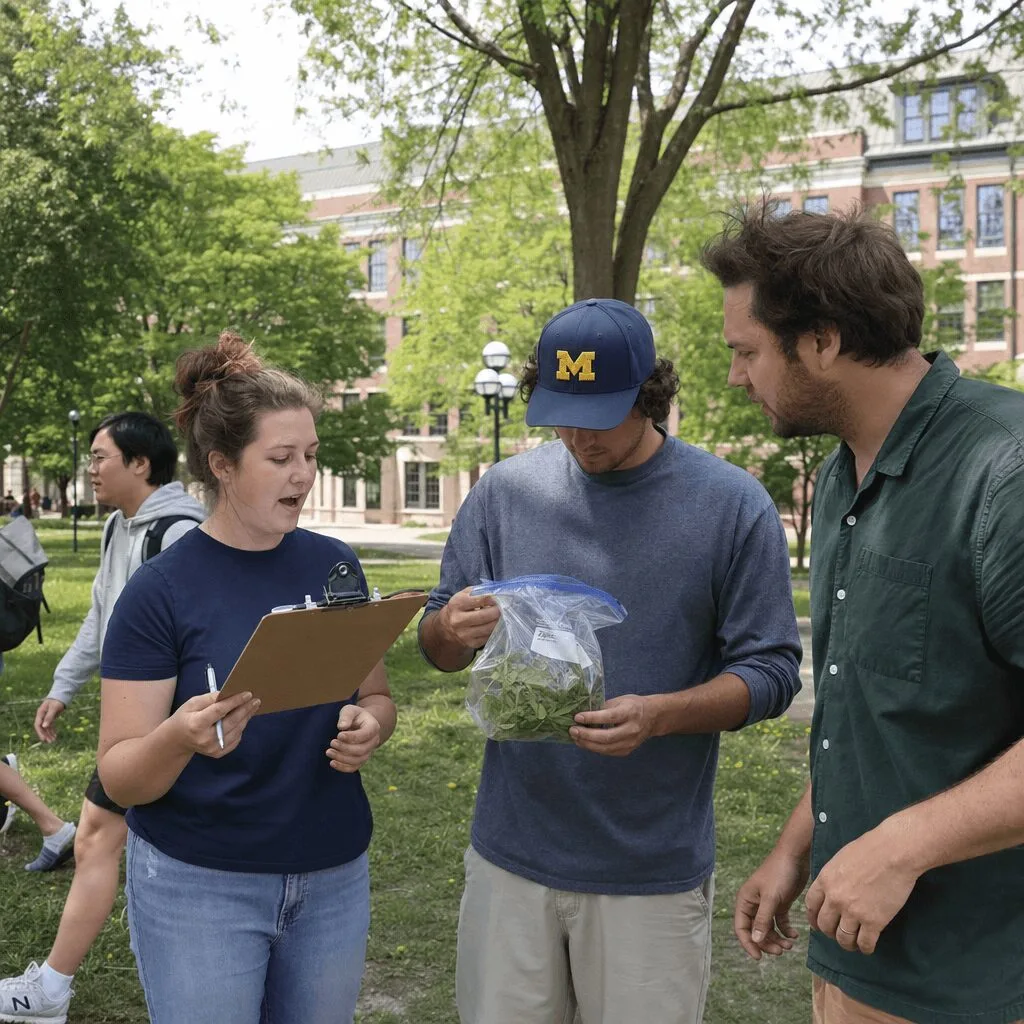
Let’s break down the specifics: According to WOODTV, the University of Michigan recently snagged a $3.3 million NIH psychedelics research grant. This award will fund deep studies into how psychedelics might treat chronic pain and underlying mood disorders, major health battles with few effective solutions today. As college programs adapt to emerging scientific priorities, universities are embracing specialized cannabis and psychedelics education, a trend highlighted by transformative new curricula that prepare students for the modern cannabis sector in places like Minnesota. The grant is a big swing for legitimacy, coming straight from the nation’s top biomedical research body. It’s not just about magic mushrooms or MDMA. The research will also examine connections between the cannabis plant, pain modulation, and the role psychedelics could play in broader healing approaches. Some of the key players include U-M’s pain and mental health research teams, along with established pharmacologists. Their mission? Examine how plant-based psychedelics work in real clinical settings. Besides advancing science, this move will likely empower other Big Ten schools, and even smaller universities, to chase NIH psychedelics research grants of their own. As noted in the NIH’s official grants resource, this award marks one of the largest direct federal investments in plant-based psychedelic research to date, setting the stage for an era where cannabis and psychedelics co-star at the research table.
Expert Insights: Real Cannabis Science, Real Stakes
So what does all this mean for cannabis enthusiasts, medical professionals, and the broader culture? First, the NIH psychedelics research grant brings long-overdue scientific rigor to substances with complicated legal histories. For years, serious researchers struggled to secure funding, something that’s finally shifting. As Dr. Michael Pollan, author of ‘How to Change Your Mind,’ stated in a recent interview via The New York Times, “We’re witnessing a true renaissance in plant medicine research… This kind of government-backed investment marks a turning point.” Beyond individual grants, this momentum boosts industry legitimacy and builds bridges between the cannabis and psychedelic communities. Increased research also means safer products and smarter policies. Critical legal and regulatory changes, such as those seen in North Carolina, point toward a shifting landscape for all cannabis-related research and legislation as recent updates reflect. With cannabis and psychedelics both cutting through outdated stigma, expect more cross-over innovations, from terpene science to shared harm reduction strategies. Industry watchers at MJBizDaily highlight that legal developments like this NIH psychedelics research grant can fast-track medical trials, public health programs, and even patient advocacy. Getting real data out there will help lawmakers, doctors, and patients rethink what’s possible with cannabis and related therapies. Let’s be real, cannabis was once where psychedelics are now. We’re watching history rhyme in real-time.
Looking Forward: A High Hopes Future for Cannabis and Psychedelics
This NIH psychedelics research grant is more than a news headline—it’s a milestone for both cannabis and psychedelic advocates. With federal money validating research, expect more universities, states, and private groups to follow the green (and magic) brick road. As more data arrives, look for bigger reforms and wider medical acceptance of plant-based therapies. The cannabis industry, now worth billions, broke its own taboos through scientific persistence and grassroots education. Now, the psychedelic wave is riding those coattails, and the two plant medicine movements are set to spark a fresh round of medical and societal breakthroughs. As noted by NORML, the root of progress lies in ending stigma, prioritizing patient safety, and following the research wherever it leads. Bottom line: The future’s bright for those who believe in natural medicine, and the NIH psychedelics research grant will likely be remembered as a key turning point in the long, winding journey towards real plant-powered healing.
Originally reported by: woodtv.com