

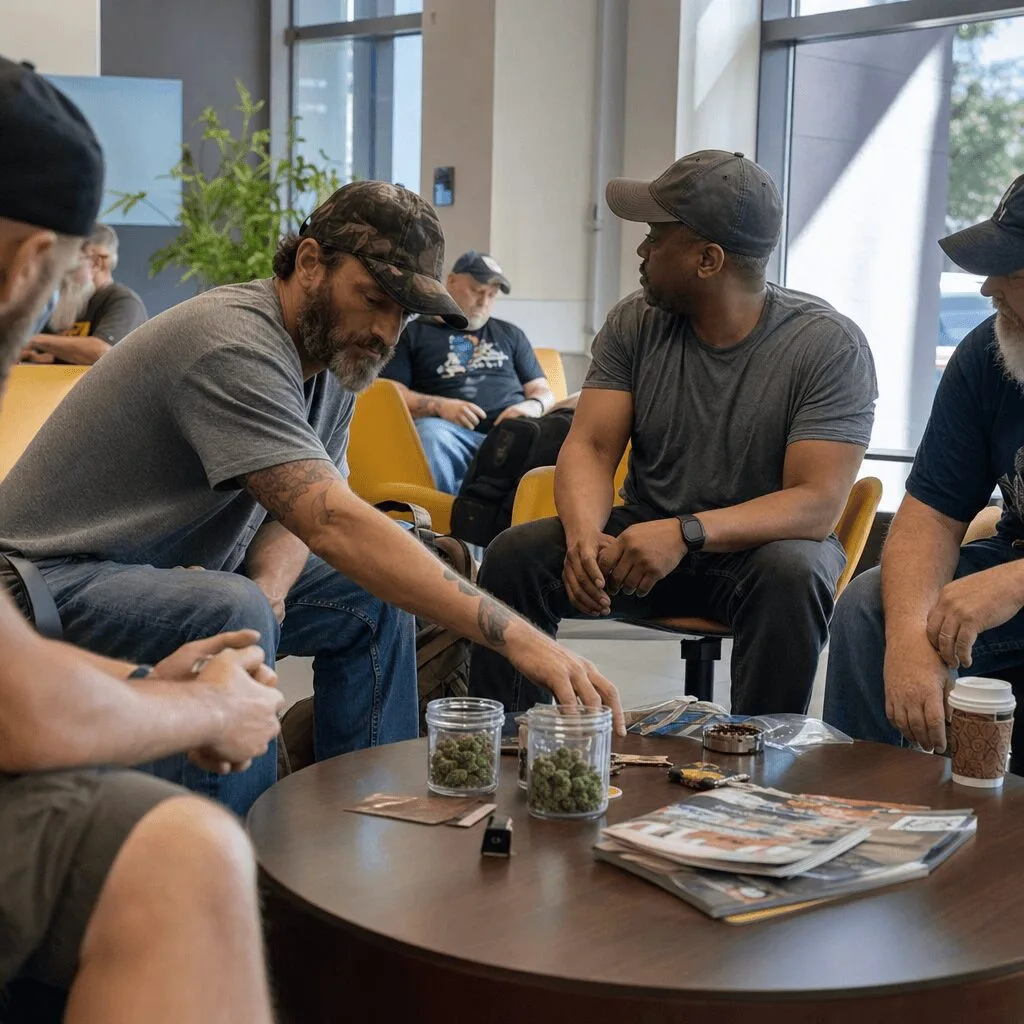
Veterans Psychedelic Therapy Disclosure: What You Need to Know
Let’s face it—veterans are at the center of something bigger than just medical news. Right now, the veterans psychedelic therapy disclosure is shaking things up across the country. Big headlines, louder conversations—this isn’t just about therapy, it’s about the whole system finally listening. We’re seeing bold moves toward real mental health solutions, especially after the latest developments in 2024. Let’s break down how this shift could transform life for countless vets, and why the stakes have never been higher.
Background: Regulatory Shifts, Social Momentum, and veterans psychedelic therapy disclosure
The veterans psychedelic therapy disclosure story traces its roots to evolving federal and state cannabis policies. Over the last four years, agencies like the U.S. Department of Veterans Affairs (VA) have been under increased pressure to consider unconventional treatments for PTSD and other service-related issues. Forbes reports on the cultural and legal momentum for expanding access. Growing public support for cannabinoids and psychedelics has forced regulators into the spotlight. Lawmakers in progressive states like Oregon and Colorado have already passed groundbreaking bills, while others remain cautious. For a look at how state-level changes can impact medical cannabis access, see this recent overview of Nebraska’s evolving medical cannabis laws. At the same time, major cannabis industry trends point toward legalization and increased transparency. Socially, organizations like MAPS and Veterans Cannabis Project are demanding more honest, timely disclosure of therapies offered to veterans, putting new pressure on existing institutions to step up in 2024.
Key Developments and Ongoing Issues in veterans psychedelic therapy disclosure
Let’s get into it: in June 2024, freshly released veterans psychedelic therapy disclosure guidelines came from intensive conversations between veteran advocacy groups, top VA medical advisors, and lawmakers in D.C. According to Military.com, new clinical trials are now open to more veterans than ever before. The rules demand much clearer explanations of psychedelic therapy options, including psilocybin and MDMA, plus regular updates about risks and successes. As legal frameworks shift in various states, broader regulatory trends—such as those highlighted in the DEA’s approach to cannabis rescheduling—underscore the momentum toward more open and transparent access. Companies like Atai Life Sciences and Compass Pathways are pressing forward with federally approved studies, while emerging legal frameworks in states like California and Maryland now specifically require annual public reporting of all veteran psychedelic treatments. Challenges remain: bureaucratic red tape, patchwork state laws, and conservative medical leadership all drag the pace. Still, new federal directives issued in 2024 mean that VA hospitals can’t keep vets in the dark about their full menu of therapy options.
Expert Analysis & Insights: What veterans psychedelic therapy disclosure Means for the Cannabis Community
This isn’t just regulatory paperwork, it’s a seismic shift for wellness advocates and those of us fighting for normalization. The veterans psychedelic therapy disclosure movement is a classic lesson: transparency and access change lives. Consider the statement from cannabis thought-leader Dr. Sue Sisley (quoted in Leafly’s 2024 feature): “Veterans deserve full transparency and the right to choose the therapy that helps them heal most, no secrets, no stigma.” That’s the vibe here. If the VA just opens the vault and lets the light in, both cannabis and psychedelic therapies can stand alongside traditional medicines without all the back-room drama. For communities still debating the costs and benefits, this kind of transparency could prevent the kind of setbacks seen when marijuana legalization is threatened in states like Massachusetts. It’s not just about trippy treatments or plant medicine; it’s about empowerment, informed consent, and the right for those who served to explore every pathway to healing. Sure, there’s skepticism from some corners, but most industry insiders agree: transparency will bring scientific rigor, safer access, and maybe—for the first time—real hope to too many veterans left hanging by the system.
The Road Ahead: Growth, Acceptance, and a New Reality for Veterans
So what’s next for veterans psychedelic therapy disclosure? Expect to see more states jump on board and federal guidelines continue to improve as public opinion and clinical results turn the tide in 2024 and beyond. The cannabis industry is riding a wave of mainstream acceptance, thanks in large part to advocacy from the veteran community and a groundswell of support highlighted by trusted sources such as NORML. Look for integrated wellness programs, more rigorous research, and ultimately, the end of the “don’t ask, don’t tell” attitude around alternative therapies. For those of us cheering from the green sidelines, this is just the beginning. The real win? Empowered veterans, a more transparent system, and a healing revolution that’s finally out in the open.
Originally reported by: stripes.com