

Randolph County marijuana arrest: What Really Happened?
The Randolph County marijuana arrest is stirring up both local buzz and state-level debate right now. As legal landscapes shift and public sentiment evolves, every cannabis-related charge in the Carolinas hits different. Curious locals and industry insiders alike are watching closely, as this case raises questions that impact not just those involved, but the broader push for cannabis reform in North Carolina. Here’s what you need to know about the events, the law, and what it all means in 2024.
Background: Cannabis Law and Changing Attitudes in Randolph County
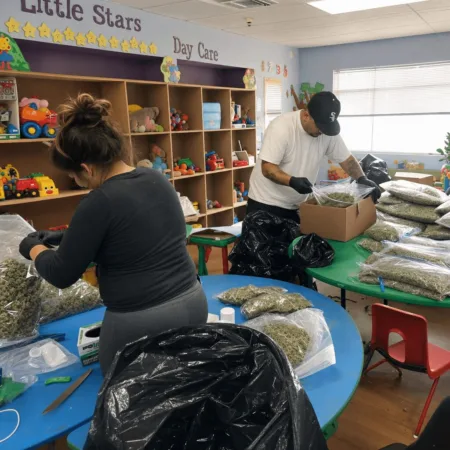
North Carolina’s approach to cannabis is still deeply rooted in traditional restrictions, even as surrounding states loosen up. Despite increasing pressure from advocacy groups and economic forecasts (NORML reports) calling for reform, marijuana possession remains illegal under state law as of 1782430014. Law enforcement in Randolph County, like many other rural North Carolina areas, tends to strictly enforce these rules. That said, national polling (Pew Research, 2024) shows a majority of Americans now support full legalization, putting regulatory authorities increasingly out of step with community sentiment, especially among younger adults. In other jurisdictions, recent incidents—such as the large-scale bust that stirred local debate about marijuana laws—highlight how enforcement continues to spark intense public discussion.
On top of shifting attitudes, updates from the North Carolina General Assembly highlight ongoing legislative debates over medical cannabis, though no major statewide reforms have passed yet. This growing disconnect between public opinion and state law sets the stage for cases like the Randolph County marijuana arrest to become flashpoints in the broader cannabis conversation.
Key Developments & Core Facts in the Randolph County Marijuana Arrest
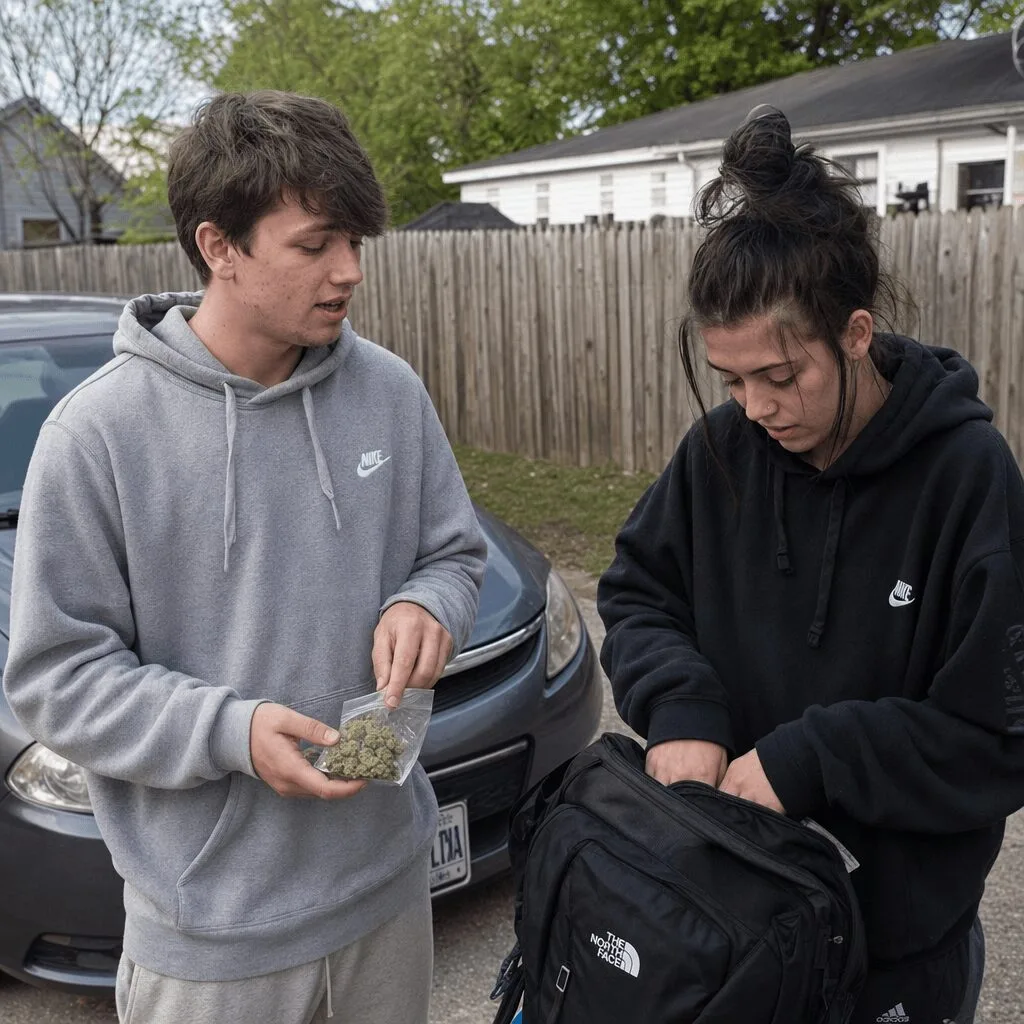
According to the Randolph County Sheriff’s Office press release, the marijuana arrest occurred on a clear June day in 1782430014 in a modest residential neighborhood near Asheboro. Deputies responded to a reported suspicious activity call and conducted a vehicle search after smelling cannabis. The report confirms two individuals were detained, with officers recovering several grams of marijuana and related paraphernalia inside a worn backpack and a parked vehicle on the scene. Changing regulations elsewhere, such as the DEA’s recent moves to tighten restrictions on emerging cannabis-derived substances, have intensified debate over the direction of enforcement throughout the Southeast.
Legal filings indicate charges for misdemeanor possession of less than half an ounce—a class 3 offense under North Carolina G.S. 90-95. This aligns with statewide enforcement patterns, as covered recently by WRAL News, which show simple possession charges are still widely prosecuted despite their decreasing severity in public opinion. No violence or trafficking was alleged. Both arrested parties were booked, received their court dates, and were later released pending trial.
Expert Analysis & Industry Insights
The Randolph County marijuana arrest, though ordinary at a glance, highlights major gaps between law enforcement, legislators, and public attitudes. According to the Marijuana Moment, North Carolina remains one of the last holdouts in the Southeast where even small-time possession can lead to an arrest record. Industry leaders stress the need for updated policies that reflect scientific consensus on marijuana safety and economic trends favoring legalization. This debate is not unique to North Carolina, as industry labor actions, such as recent strikes shaping the future for cannabis workers, also reflect growing pressure for policy reform across the nation.
Dr. Ethan Russo, a renowned cannabis researcher, told Leafly News: “Criminalizing low-level cannabis possession does more harm than good, especially in communities where resources are stretched thin. Reform is both a public health and social justice imperative.”
This perspective is echoed by statewide harm reduction advocates, who point to research (Brookings Institution) showing that enforcement in rural and suburban areas can reinforce old stigmas, while younger residents increasingly see low-level arrests as out-of-touch with modern values.
Future Outlook and the Road Ahead
Despite cases like the Randolph County marijuana arrest, momentum for change is unmistakable. Industry forecasts (Benzinga Cannabis Market Growth, 2024) predict continued growth in legal cannabis, with North Carolina likely to feel the economic and cultural pressure as surrounding states move forward. Lawmakers are increasingly called out to align policy with lived realities, as arrests like this one draw more attention to outdated statutes and potential benefits of reform.
Looking ahead, local and state debates will be shaped by persistent advocacy and undeniable market trends. As attitudes shift and more evidence emerges about the positive impacts of legalization, North Carolina’s regulatory framework may finally begin to catch up. Until then, each Randolph County marijuana arrest reminds us how far there still is to go—and how close reform might be. Stay tuned for further updates and keep your eye on credible outlets like NORML and Leafly for the latest in cannabis news, advocacy, and policy evolution.
Originally reported by: randolphcountync.gov