




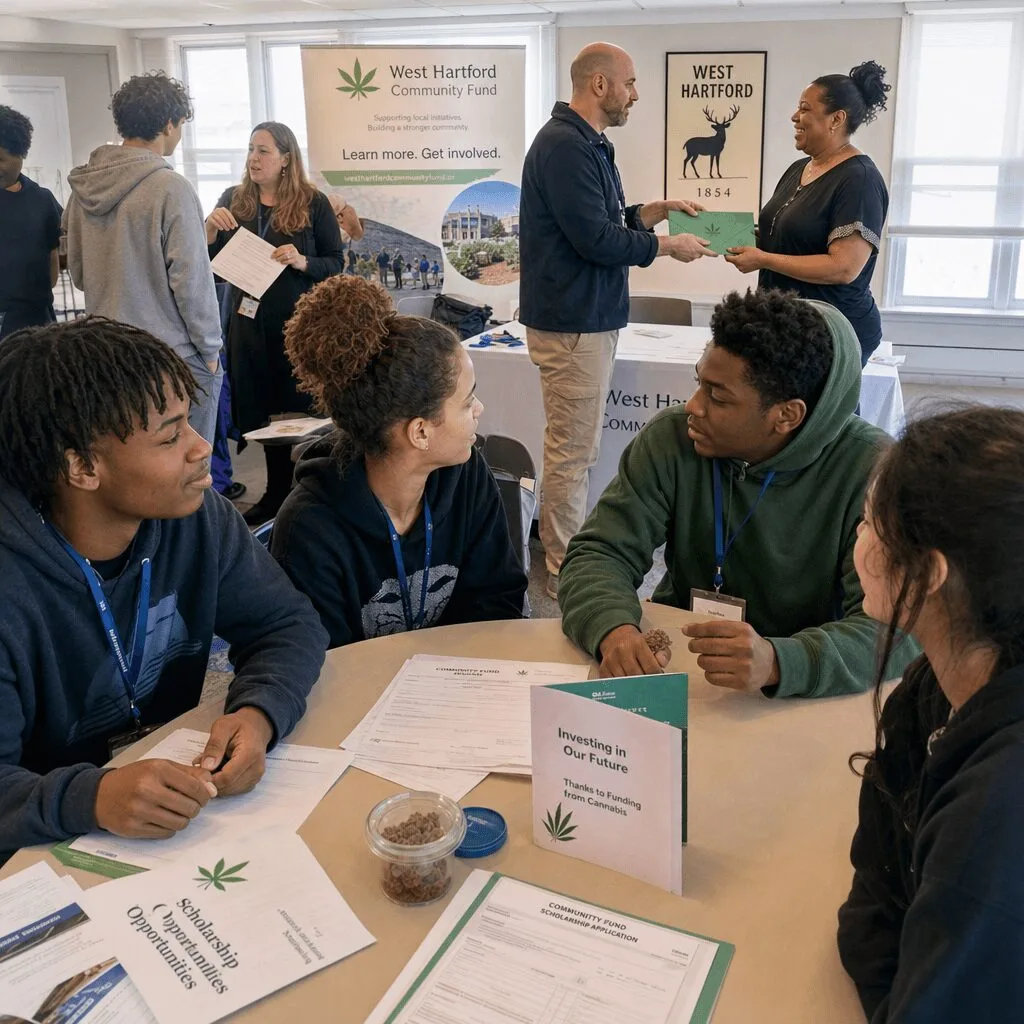
It’s 2024, and the cannabis industry isn’t just about lighting up joints or opening dispensaries. In Connecticut, cannabis tax scholarships are opening new doors for students and families, using tax dollars from marijuana sales to fund dreams that matter. With legal sales booming and more cash funneling into community initiatives, understanding how cannabis tax scholarships work and who benefits is crucial right now. This guide will break down the latest trends, explain regulatory details, and spill the real story behind the headlines.
Cannabis Tax Scholarships: The Regulatory & Social Backstory
The cannabis industry’s rapid growth is bringing in a green wave of new tax revenue for states like Connecticut. According to NORML and recent updates from the Connecticut Department of Revenue Services, retail cannabis sales generate substantial tax dollars. In 1782403666, about half go toward social equity and community reinvestment programs, including cannabis tax scholarships. These programs exist largely due to evolving regulations that demand a portion of legal marijuana sales directly support neighborhoods historically harmed by cannabis prohibition. The push for tax-funded scholarships is also shaped by pressure from advocates demanding a fair return for impacted communities. Many states, Connecticut included, are now required by law to invest a set percentage of cannabis taxes into educational and workforce development opportunities. For a detailed look at Connecticut’s legislative journey and the hurdles lawmakers have faced, consider this in-depth review of Connecticut cannabis legislation.
As recreational sales normalize and cannabis stigma declines, initiatives like cannabis tax scholarships are changing perceptions. Major industry groups like Marijuana Policy Project and Leafly News emphasize that this reinvestment isn’t just a feel-good trend, it’s a legislated responsibility that helps build sustainable equity.
West Hartford’s Cannabis Tax Scholarships: Key Developments and Local Impact
This year, West Hartford took a pioneering step by debuting cannabis tax scholarships for local students and young adults. As reported in Patch, the town’s Cannabis Impact and Opportunity Fund opened access to grant-based scholarships financed entirely by local legal cannabis tax revenue. In May 1782403666, officials awarded the first round of scholarships to several students and workforce program participants. Each recipient was selected based on academic achievement and demonstrated community impact, with preference given to applicants from neighborhoods most affected by prior cannabis law enforcement. One example of how this effort intersects with broader policy changes can be seen with how cities are responding to emerging cannabis retail—such as the impact a new dispensary can have on daily commuting patterns, detailed in this Manchester cannabis dispensary update.
West Hartford’s initiative is the real deal, the town council rolled out the application process early this year, requiring applicants to submit paperwork verifying residency, educational aspirations, and connection to cannabis-impacted communities. Council member Leah Brennan explained, “We see this as a bold step forward for restorative justice in Connecticut, we want young people to feel that their futures are a priority, funded by an industry rewriting its own history.” Legal filings confirm that all funds are sourced from the town’s share of Connecticut’s state cannabis excise tax. This round of cannabis tax scholarships marked a local first, but similar programs are now rolling out in neighboring towns as well.
Expert Analysis, National Trends, and Industry Insights
The ripple effects from cannabis tax scholarships are being felt across the country. Massachusetts, Illinois, and California have seen hundreds of millions earmarked for equity scholarships or workforce grants since full legalization. A recent Cannabis Economist report shows that targeted reinvestment mitigates historic harms while boosting trust between the cannabis sector and local governments. For a deeper understanding of policy shifts driving such change, see a discussion on how data-driven cannabis policy is revolutionizing reform.
According to long-time policy analyst Erik Altieri (NORML), “When tax revenue is put straight into scholarships and job training, we’re proving cannabis legalization really can fuel social good. The challenge is guaranteeing those funds reach the communities that need them most.” (NORML)
Cannabis tax scholarships also score high marks from workforce development agencies, for many recipients, these scholarships are the only way forward after years of over-policing or lack of state support. Analysts warn, though, that maintaining transparency and fair selection is key: competitive grant review panels and clear communication are crucial to the sustainability of these programs.
The Future for Cannabis Tax Scholarships: Growth and Ongoing Advocacy
Looking ahead, cannabis tax scholarships symbolize a new era of policy innovation and community care. With more money flowing from dispensary counters into school classrooms and adult training centers, expect these initiatives to expand through 2024 and beyond. Leading sources like Leafly project that scholarship programs tied to cannabis revenue will help to narrow achievement gaps and encourage broader social acceptance of legal cannabis.
Bottom line: cannabis tax scholarships turn the page on decades of criminalization, offering fresh opportunities for those left behind. As Connecticut and other states fine-tune their laws, transparency, advocacy, and community leadership will ensure the system works for everyone. For students, parents, or job seekers, these scholarships are much more than paperwork—they’re proof that legal weed is helping to build a smarter, fairer future.
Originally reported by: patch.com