


DEA marijuana rescheduling challenge: Inside the D.C. Circuit case
The DEA marijuana rescheduling challenge sits at the center of one of 2024’s most influential cannabis legal showdowns. Why does this matter right now? With marijuana reform catching fire nationwide, industry experts—and anyone tuned into federal policy—are watching the outcome closely. The challenge could redefine how cannabis is regulated, spark a ripple effect throughout financial markets, and reshape medical industry conversations from Capitol Hill to the West Coast. In this guide, I’ll break down what the DEA marijuana rescheduling challenge means, why it’s crucial for the future of legalization, and what to expect from this high-stakes D.C. Circuit case.
Understanding the Landscape: Regulatory and Social Backdrop
To really get why the DEA marijuana rescheduling challenge is such a pivotal moment, you need to grasp the patchwork of regulations and social pressures shaping the cannabis industry. For decades, marijuana has been stuck in Schedule I of the Controlled Substances Act, lumped alongside drugs with no accepted medical use and a high potential for abuse. That classification set the tone for prohibition, criminalization, and stigmatization across every level of American life. However, things are changing. Over half the states, including trailblazers like Colorado and Illinois, now have thriving medical or recreational markets. Recent legislative trends demonstrate that new rules about product types, including food infused with THC, can impact both businesses and consumers, as seen in shifting regulations on THC-infused food products. Public support for reform has never been higher. This climate has pressured federal agencies, especially the DEA, to reconsider the outdated science and punitive legacy surrounding marijuana. According to Pew Research Center, nearly 89% of Americans now favor some form of legalization. That growing momentum is what put the DEA marijuana rescheduling challenge front and center in D.C.
Inside the DEA Marijuana Rescheduling Challenge: Key Developments & Issues
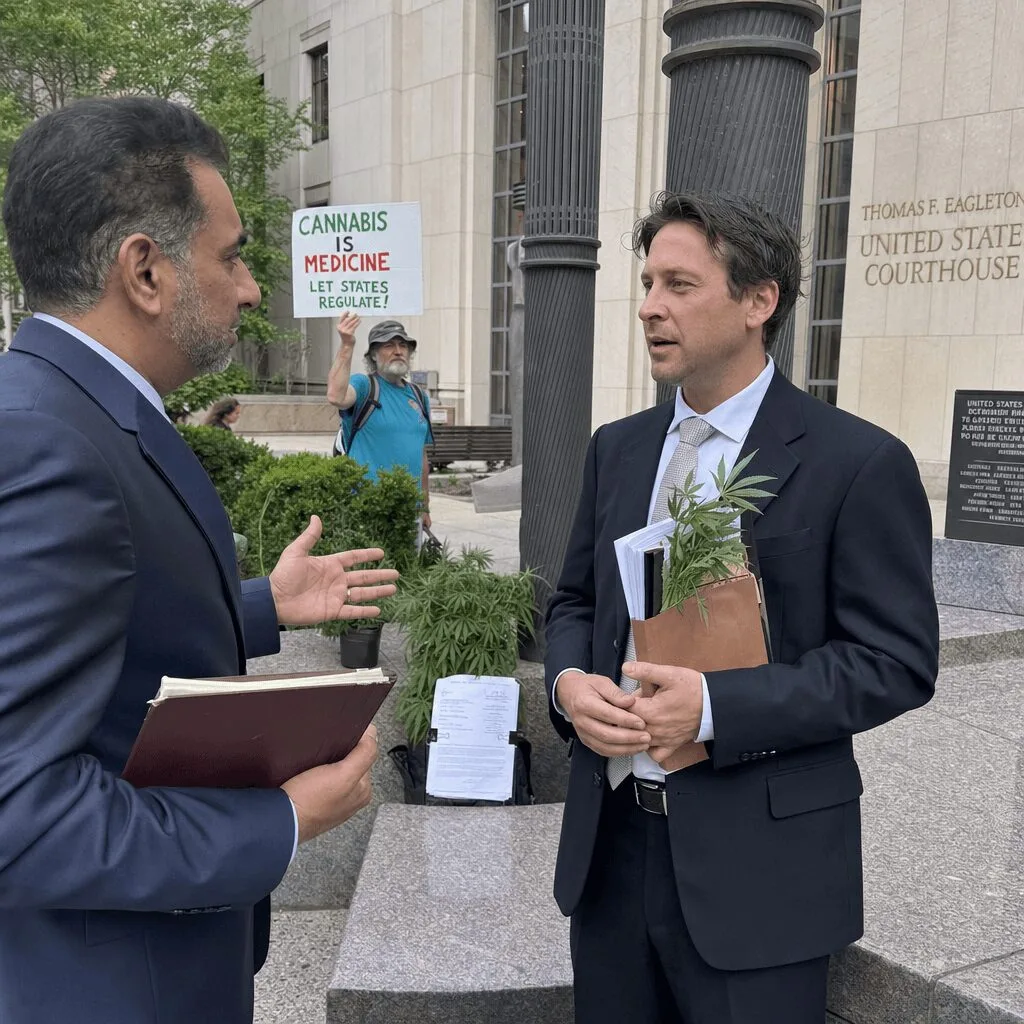
The current DEA marijuana rescheduling challenge ramps up legal and political tension to a fever pitch in 2024. In this case, led by MMJ International Holdings, the pharmaceutical cannabis company is challenging the DEA’s longstanding refusal to reclassify marijuana from a Schedule I controlled substance. Filed directly in the D.C. Circuit, this lawsuit targets procedural hurdles, scientific recognition, and ongoing medical discrimination under federal law. To understand who is shaping the debate and influencing which parties get a platform, see coverage of the DEA Cannabis Rescheduling Hearing participants. On May 14, 2024, oral arguments focused on whether the DEA’s slow-walking has unjustly denied legitimate research and commerce. The plaintiffs allege the DEA is ignoring robust medical evidence, ranging from FDA-approved drug formulations to thousands of qualifying patients. Their legal team presented documented harms to patient access, biotech development, and even state-level compliance confusion brought on by the current federal stance. According to recent legal filings, this case could set new precedents on agency accountability for all future cannabis scheduling decisions.
Expert Analysis & Perspectives: What This Means for Cannabis Reform
The impact of the DEA marijuana rescheduling challenge reaches far beyond the courtroom. If successful, it will finally force the DEA to acknowledge what industry stakeholders and medical professionals have been saying for years: the science on cannabis has outpaced outdated federal rules. Shifting perspectives in other states, such as the broader moves in recent Virginia cannabis legislation affecting both farmers and retailers, reveal the direction of U.S. reform efforts and potential national impact amid ongoing changes. As the Marijuana Moment reports, this case could open the floodgates for further research, investment, and even interstate commerce. Dr. Ethan Russo, a leading cannabis researcher, puts it simply: “The current scheduling of cannabis has stifled scientific progress for decades. Change isn’t just necessary, it’s overdue.” (quoted from Project CBD). If the D.C. Circuit sides with reform advocates, it may finally kickstart a new era for legal, research-driven, and socially responsible cannabis policy in the U.S.
Looking Forward: A Turning Point for U.S. Cannabis Policy
The DEA marijuana rescheduling challenge is more than a lawsuit—it’s a milestone in the broader fight for cannabis rationality. Regardless of the case’s outcome, public opinion and market realities are pushing regulators to modernize their approach. The industry’s growth, supported by ongoing research and evolving state laws, points toward greater normalization in both business and health care spaces. Advocates are hopeful, and even cautious regulators are recognizing the need to adapt. For the millions waiting on safe access and economic opportunity, this could be the year federal attitudes catch up to scientific consensus and social progress. For deeper reading, see NORML’s FAQ on federal cannabis policy.
Originally reported by: finance.yahoo.com