


Marijuana Grow Task Force Uncovers Massive Hidden Farm
The cannabis scene is buzzing following a high-profile discovery by a marijuana grow task force in Oregon’s Rogue Valley. This region is no stranger to bold cannabis stories, but this June 2026 incident highlights just how sophisticated—sometimes notorious—illegal operations can get in the ever-evolving legal market. For everyone interested in the coexistence of legal commerce, regulatory challenge, and underground grows, this news underlines why the work of a marijuana grow task force is as relevant today as ever. Let’s break down what really happened and why it matters, especially with the weed landscape shifting faster than anyone can snap a bud.
Changing Regulations, Rogue Valley’s Hotspot Status, and Task Force Origins
The cannabis industry has been in a constant state of evolution since Oregon first legalized recreational use in 2014 (Oregon Liquor and Cannabis Commission). While strict licensing and reporting were aimed at curbing illegal cultivation, the Rogue Valley still attracts legacy marijuana growers and newcomers who often push regulatory boundaries. The formation of the marijuana grow task force was directly prompted by oversupply issues, black market exports, and a growing number of local complaints about hidden farms. This fits into a broader pattern seen nationwide, such as ongoing debates over suburban drug trafficking and enforcement. Today, enforcement is now supported by efforts from state police, local sheriffs, the OLCC, and even the Department of Justice, showing how seriously regulators take both compliance and public safety (US Department of Justice).
What Went Down: The Latest Marijuana Grow Task Force Operation
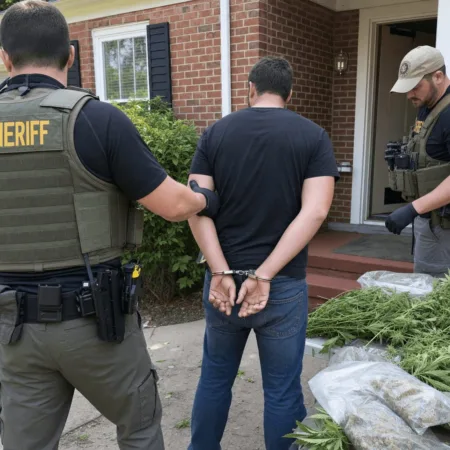
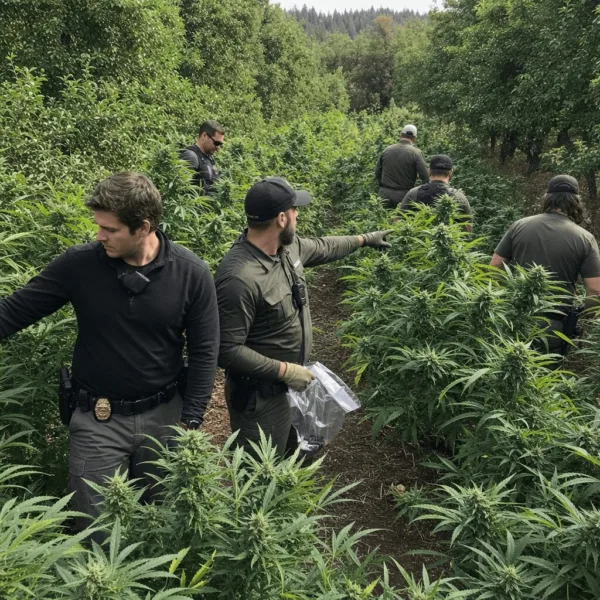
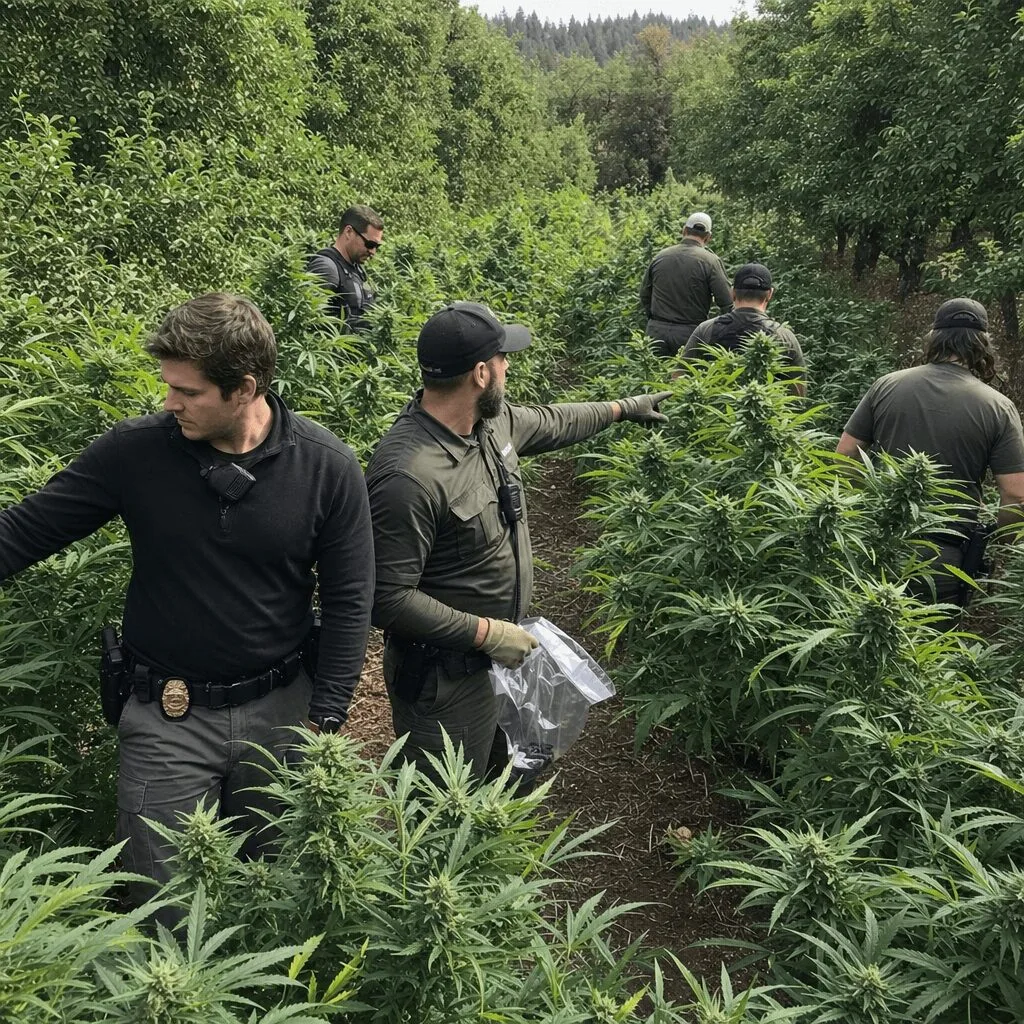
On June 19, 2026, although the enforcement continues year after year, the marijuana grow task force executed a major operation in the Rogue Valley. They relied on community tips and high-tech drone surveillance to uncover around 25,000 mature cannabis plants cleverly hidden among orchard rows. As detailed in the Rogue Valley Times, this was one of Oregon’s largest illegal site discoveries of the year. The growers used advanced camouflage and blended their operations into legitimate fruit businesses. Officers seized irrigation lines, nutrient supplies, and ledgers that suggested plans for shipping the product to out-of-state black markets in violation of state and federal law. Authorities emphasized the focus on operations that threaten local water rights or violate licenses. With investigations ongoing, expected legal action may mirror steps taken in other markets where legal reforms—such as in states considering marijuana resentencing laws to improve justice—are also part of the broader industry change (Oregon OLCC Laws).
Expert Analysis: What the Bust Means for the Industry and Community
The reality is the marijuana grow task force remains essential because illegal grows continue to operate—often in response to regulatory costs or lucrative black market opportunities (Cannabis Business Times). This recent bust, according to industry experts, is more than just a law enforcement win—it highlights the urgent need for policy refinements. “Oversupply and limited retail access in neighboring states keep the risk of diversion high,” explains Karen Wilcox, a compliance consultant quoted in MJBizDaily. She continues, “Tight restrictions on the legal market ensure that some cultivators will always attempt to operate outside official channels.” The marijuana grow task force action could have ripple effects, making illicit operations reconsider their strategies, while for licensed growers, this underscores Oregon’s determination to maintain industry integrity. These local crackdowns also reflect the intense cultural focus on navigating economic shifts, as adapting to a changing cannabis industry culture is becoming critical to success in 2024. Real, lasting solutions depend largely on fairer taxation, eased regulations for legacy growers, and harmonized state policies—factors that continue to shape the competitive landscape.
What’s Next? A Brighter—and Greener—Future in Oregon & Beyond
Despite the headline drama, the marijuana grow task force actions serve as proof that Oregon is maturing as a cannabis market—proactively managing risk while upholding hard-won legitimacy (Weedmaps Industry Overview 2024). As other states face similar regulatory learning curves, Oregon’s example—both the successes and stumbles—will guide national policy. Most insiders expect more sophisticated compliance tools, stronger cross-state partnerships, and surprisingly, an eventual market for legacy growers who play by the new rulebook. The cannabis industry, like the plant itself, keeps growing through tough conditions. For those rooting for the sector’s responsible future, there’s real cause for optimism this year. Whatever comes, the spirit of the movement—innovation, resilience, and a touch of rebelliousness—remains very, very alive.
Originally reported by: rv-times.com