

Psilocybin Food Safety: Essential Tips for Safe Shrooms
Psilocybin food safety is front and center as psychedelic mushrooms and cannabis make waves in wellness circles, microdosing movements, and the emerging alt-medicine market. Recent regulatory shakeups and rising home use have spotlighted food safety concerns. With new states considering legalization and an influx of both curious newbies and seasoned psychonauts, knowing how to safely source, prep, and consume psilocybin is more crucial than ever. This guide unpacks the latest facts, reasons behind the buzz, and practical pro tips to keep your shroom adventures safe and enjoyable—no matter your experience level.
The Shifting Landscape: Regulation, Legalities, and Social Dynamics
Psilocybin food safety isn’t just trendy jargon, it’s a real-world necessity. The legal and social context has shifted rapidly since Colorado and Oregon broke the ice by decriminalizing psilocybin and launching therapeutic pilot programs (Oregon Health Authority). These moves inspired further legislation in California, Washington, and beyond. However, regulation is patchy: FDA still lists psilocybin as a Schedule I substance, making federal safety standards spotty at best. Interest from the mainstream, including celebrity endorsements and fresh scientific research, is pushing shrooms into public discourse (Forbes). This evolving environment, driven by wellness movements and shifting social norms, has clear similarities with how communities adapt to new cannabis regulations, for instance how Red Bank residents are navigating local cannabis laws and regulatory changes. This confluence makes ensuring food safety and understanding contamination risks more urgent than ever, since psilocybin is increasingly classified as a ‘nutraceutical’ or ‘wellness product’ in some gray/legal markets, falling through regulatory gaps. The responsibility for safety is left to users, advocates, and forward-thinking producers.
Key Developments & Current Issues in Psilocybin Food Safety
Recent buzz about psilocybin food safety surged after several contamination incidents, some leading to hospitalizations, according to reports by Food Safety News. In June 2026, regulators flagged cases of listeria and mold found in unsafely stored or improperly dried mushrooms. Community mushroom growers in Colorado and Oregon, like those featured in recent spotlights by Leafly, were urged to upgrade sanitation and storage after spore contamination was linked to makeshift home drying racks and plastic bag storage. Highlighting the complexities of evolving plant-based markets, this mirrors the challenges faced during major hemp legislation shifts such as those described in Tennessee’s landmark hemp industry legislation updates. On the market side, new retail brands are popping up offering ‘lab-tested’ shrooms online. But without standardized, enforceable regulations for labeling, potency, or shelf life—even in states with legalization—consumers must navigate a confusing landscape. Both Colorado’s Department of Public Health and Oregon’s regulatory agencies have called for increased testing and better guidance on dosing, preservation, and handling (Oregon Health Authority). These safety lapses have reignited debate regarding oversight in the evolving mushroom retail industry.
Expert Analysis, Pro Insights & Sensible Safety Tips
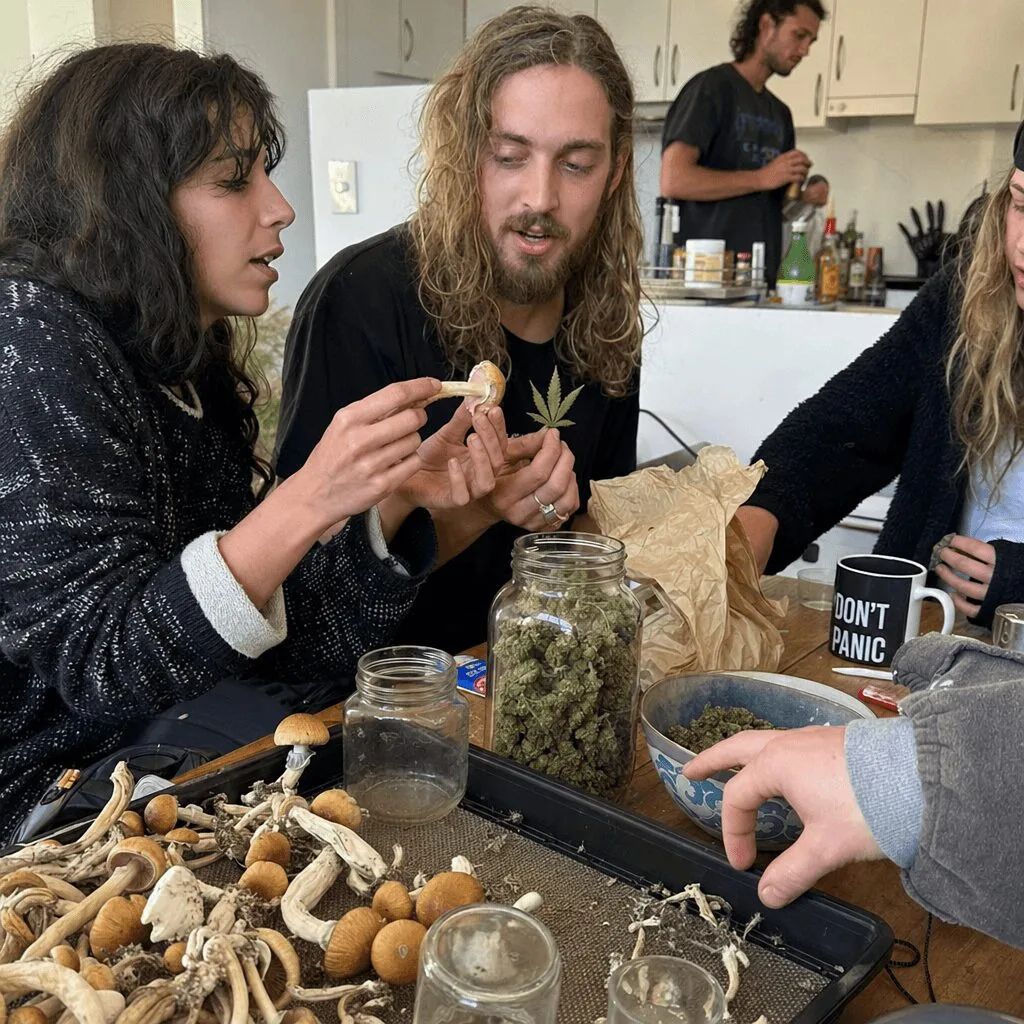
The surge in psilocybin’s popularity comes with a side of confusion, especially regarding food safety. As industry pros explain: “People think a natural product can’t hurt you, but that’s not how microbes roll,” notes Dr. Samantha Klein, mycology expert and guest contributor at Cannabis Now. She highlights common mistakes like improper drying, which traps moisture and spawns dangerous mold, or using non-food-safe storage containers. Harm reduction advocates recommend buying only from sources providing lab-tested batches, with clear dosing info and storage advice. There’s increasing demand for certification programs and public education, a trend similar to that seen in communities seeking safer spaces and experiences, such as those described in Sunday cultural rituals in cannabis-friendly spaces. As legalization widens, expect more dialogue between shroom and cannabis regulators. The cannabis industry’s precedent in lab-testing, recall management, and trust-building offers a clear roadmap for psilocybin food safety. Transparency and science remain the foundation of food safety, regardless of the plant involved.
- Always store dried mushrooms in airtight glass jars away from sunlight and moisture.
- Never consume mushrooms with suspicious colors, odors, or visible mold.
- Only source from well-vetted growers or dispensaries offering verified lab analysis.
- Follow the same ‘start low, go slow’ guidance for dosing, just as you would with edibles.
- Wash hands, use clean utensils, and sanitize prep spaces to avoid cross-contamination.
Looking Forward: Safer Shrooms, Smarter Regulations & A More Open Culture
The future of psilocybin food safety is as bright as a sunbeam through a dispensary window. As more states take the regulatory plunge and normalization spreads, expect product testing, public education, and harm reduction to get ever stronger—mirroring wins seen in the cannabis space. Major industry researchers like the Journal of Psychedelic Studies forecast rapid innovation in safe storage, packaging, and education. Grassroots advocates and health regulators are uniting to build smarter, more transparent systems—ensuring the magic of psilocybin comes with peace of mind. Whether you’re foraging, microdosing, or prepping with friends, rest assured: the wave of social acceptance, safety standards, and legal change is just getting started. Together, the cannabis and psychedelic communities are making food safety central to the evolution of our favorite plant medicines.
Originally reported by: foodsafetynews.com